How to Choose Low-Acidity Coffee Beans: A Guide to Roast Level and Flavor
Introduction: Many coffee lovers prefer a mild, low-acidity cup, but feel lost when faced with the overwhelming variety of coffee beans. This article examines the key elements of low-acidity coffee, from roast level and regional characteristics to processing methods, and recommends several classic varieties suited to pour-over, espresso and other brewing styles, helping you find the ideal choice for your personal taste.
Coffee acidity is not simply a matter of pH; it is one of the important dimensions that make up flavor complexity, shaping the overall impression of a cup together with body, aroma, sweetness and aftertaste. Many people, when first encountering coffee, find bright acidity sharp and therefore lean toward milder, lower-acidity options. So which coffee beans are actually lower in acidity? Does roast level directly affect the expression of sourness? We will answer these questions from several angles.
First, a basic concept needs to be clarified: the lighter the roast, the higher the coffee's acidity tends to be; the darker the roast, the more the sourness fades and the more pronounced the bitterness and caramel notes become. This rule is an important reference when choosing low-acidity coffee. In addition, the regional characteristics and processing methods of the beans also affect the final flavor. For example, compared with washed and natural processes, honey processing often brings a softer balance of sweetness and acidity, with more pronounced sweetness.
Acidity itself is an important flavor component of high-quality coffee; coffee that is completely without acidity often lacks complexity and liveliness. Common positive acidity includes the freshness of citric acid, the crispness of malic acid, and the roundness brought by lactic and acetic acids. Every coffee bean has its optimal flavor range; the key is to use roasting and brewing techniques to "accentuate the strengths and avoid the weaknesses"—highlighting the advantageous flavors and softening the undesirable traits. For example, coffee from some regions lacks body but has bright acidity, making it suited to a light roast that preserves its lively flavors; while beans from other regions, with strong herbal notes or a bitter edge, are better suited to a dark roast that strengthens a full-bodied base.
If you prefer coffee with mild or even low acidity, it is advisable to prioritize beans with a medium roast or darker. As the roast level deepens, caramelization reactions inside the bean intensify, acidic substances are gradually transformed, and sweet compounds accumulate, making the overall cup rounder and more balanced. Below are several representative low-acidity coffees, verified by the market, that suit different brewing scenarios:
Papua New Guinea Typica: This variety is known for its elegant flavor, but it is difficult to cultivate and has weak disease resistance. Its beans are sharply tapered, and the top leaves often show a distinctive bronze color. In flavor, it is dominated by a clean, translucent base, with soft acidity and high purity—suited to drinkers who like a fresh style but reject strong sharpness.
Brazil Yellow Bourbon: A Yellow Bourbon variety from high-altitude regions; thanks to its superior growing environment, the beans are dense and rich in accumulated sugars. A medium-dark roast fully draws out its full-bodied nutty character while preserving the soft sweetness typical of the Bourbon family, with acidity effectively held in check. This bean combines the finesse of pour-over with the fullness of espresso and suits a variety of extraction methods.
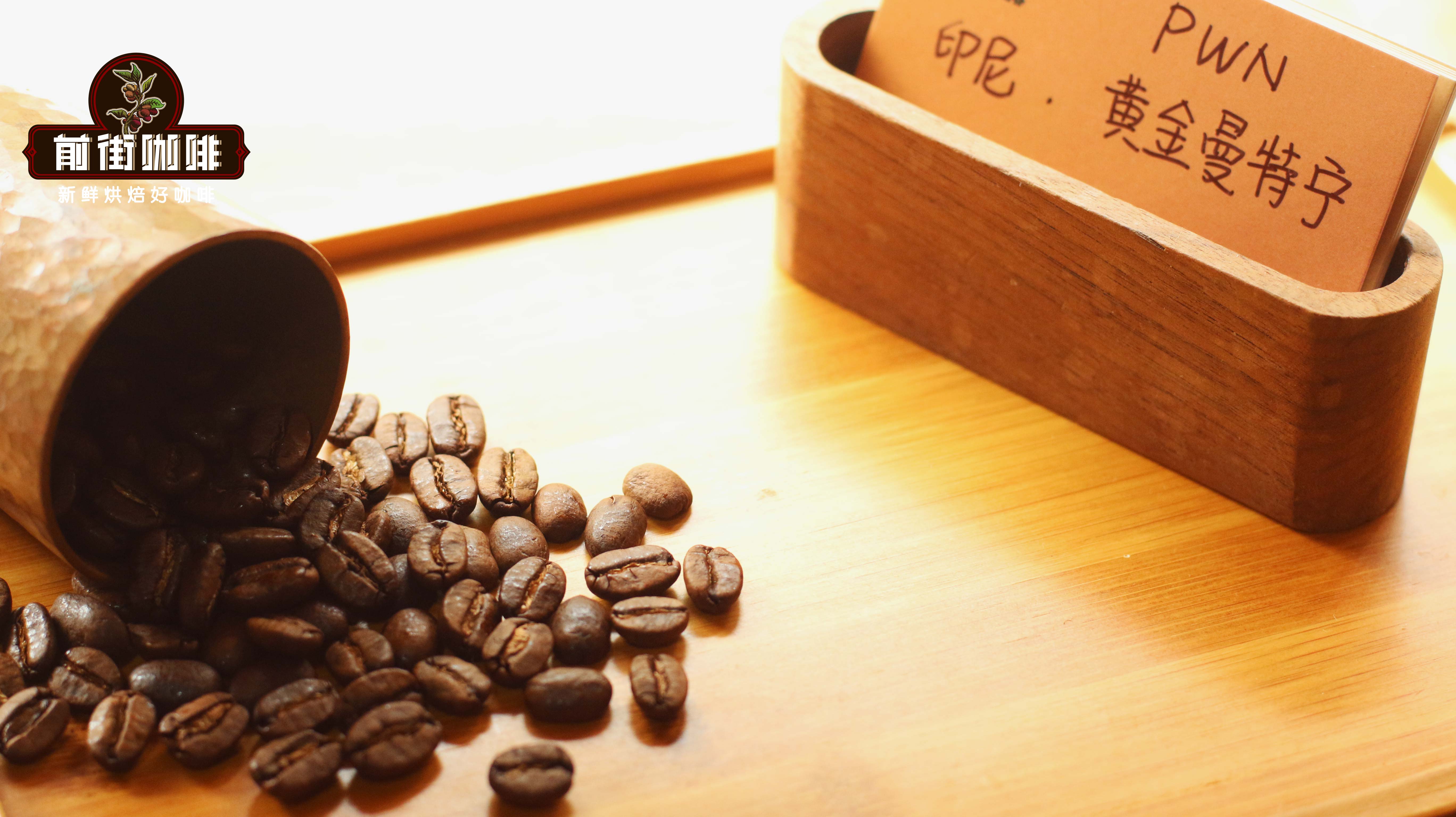
Indonesian Mandheling (dark roast preferred): A classic representative of dark roasting, Indonesian Mandheling is known for its herbal and spicy flavors, with a full, smooth body. The dark roast further strengthens its steady base and softens any possible green or astringent notes. Selecting lots with an extremely low defect rate can further improve purity, making the sweet finish longer and the aftertaste a subtle balance of wood and dark chocolate.

Yunnan Typica (natural process, medium roast): Yunnan small-bean coffee, derived from a local heirloom variety, undergoes natural processing, where pectin fermentation gives it a distinctive fermented aroma and silky texture. The medium roast precisely captures the combined flavors of nuts, chocolate and black tea, complemented by a warm, brown-sugar-like finish; acidity is low and the body is full, suited to drinkers who prefer an Eastern flavor profile.
Colombia Huila (washed, medium-dark roast): Huila coffee, processed by the washed method, naturally has a clean, clear base. The medium-dark roast highlights its classic caramel and cocoa flavors, accompanied by a creamy, dense texture and cookie-like sweetness, with acidity deftly reined in; the overall impression is balanced and easy to drink.
When choosing low-acidity coffee, besides paying attention to roast level, you should also adjust parameters according to your own brewing habits. For example, with pour-over, raising the water temperature appropriately (92-94°C) can enhance sweetness extraction and reduce the sharpness of acidity; for espresso, a fine grind is recommended to ensure full extraction and balanced flavor. Remember, there is no absolute "best" low-acidity coffee bean—only the one that best suits your taste preferences.