Sumatra Mandheling Coffee: A Guide from Origin to Flavor
Introduction: Sumatra Mandheling coffee is known worldwide for its uniquely rich, full-bodied taste, but names on the market such as Golden Mandheling and Tiger Mandheling often confuse beginners. This article takes an in-depth look at the origin of the Mandheling name and the characteristics of its core producing regions, compares the flavor differences among processing methods and grades, and offers professional-level buying advice to help you find the specialty coffee beans that suit you.
Mandheling is not a geographical or variety name, but a transliteration error derived from the Indonesian Mandailing people. The name is widely used to refer to high-quality Arabica coffee produced on the island of Sumatra, and it has developed distinct regional characteristics especially in the Lintong area of Aceh Province and the Gayo Highlands.
As the world's largest archipelagic country, Indonesia has been growing coffee since the 18th-century Dutch colonial period. Thanks to its volcanic soils and high-altitude environment (the area around Lake Toba averages 900 meters above sea level), Sumatra has created Mandheling's signature low-acid, heavy-bodied mouthfeel. The Lintong producing area, where Lake Toba is located, is known for the classic flavor with spicy notes nurtured by the microclimate of the volcanic lake.
 Mandheling's diverse naming system actually reflects a commercial segmentation strategy: names such as Golden Mandheling and Tiger Mandheling are mostly created by traders or processing plants to distinguish different processing lots or screening standards. It is worth noting that these names have nothing to do with official producing-region naming, so when buying you should focus on the processing method and the green bean grade.
Sumatra's distinctive wet-hulled processing method directly affects the final flavor expression. This process removes the hard shell outside the mucilage layer while the coffee beans still have a high moisture content, accelerating the drying process while creating a uniquely oily appearance. The typical flavor profile includes multi-layered chocolate underpinnings, dark berry notes, accompanied by woody aromas and a faint spiciness, with soft acidity but a long, sweet aftertaste.
 For beginners, it is advisable to first try the basic-grade Lintong Mandheling. These everyday beans, usually medium-dark roasted, typically show pronounced clove and dark sugar aromas, have a relatively high body and are affordably priced. When brewing, use a water temperature of 92-94°C with a 1:15 coffee-to-water ratio, and extend the bloom time to 30 seconds to fully bring out the flavor layers.
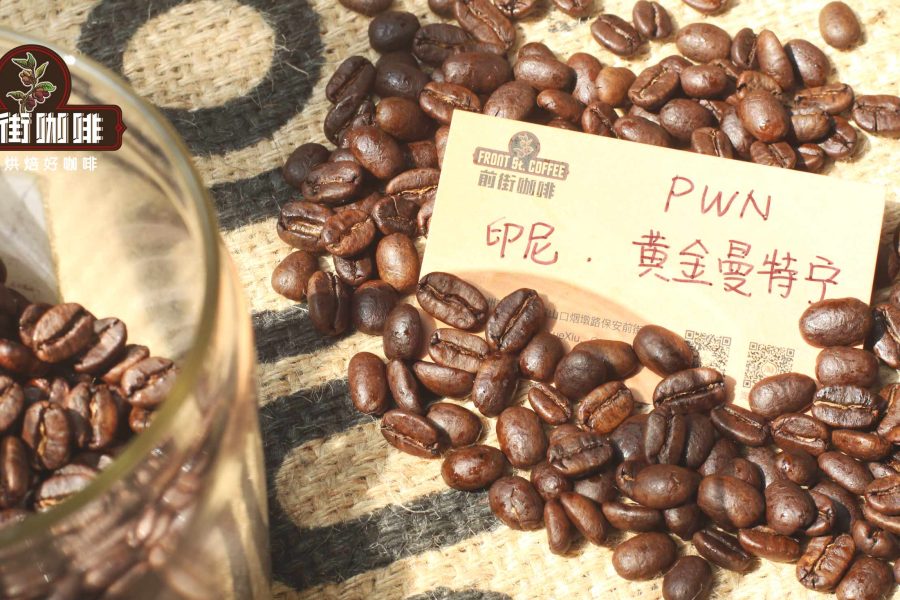
The difference in the high-end market's Golden Mandheling stems from a strict quality-control process. Although the trademark belongs to PWN, this product line actually carries out rigorous screening with three rounds of hand sorting plus mechanical grading, ultimately keeping the defect rate within 2%. Compared with the ordinary G1 grade, the selected beans are fuller and more uniform, and after roasting they show a brighter citrus finish and clearer spice layers; a V60 dripper with a water temperature of 90-92°C is recommended to highlight their cleanliness.
 The price difference is mainly reflected in processing costs and screening efficiency: ordinary commercial-grade Mandheling costs about 30-50 yuan per kilogram, while PWN-certified Golden Mandheling can reach over a hundred yuan. Professional roasters suggest choosing according to the drinking occasion: for the daily commute, choose a cost-effective dark-roast version, while for tasting at home, try a light-roast Gayo Highlands bean, which better shows its floral, fruity and tea-like qualities.
 When buying, pay attention to three key indicators: first, confirm that the origin is labeled as a northern Sumatra producing area; second, check the processing method description (wet-hulled is usually labeled "Wet-hulled"); and finally, observe the appearance of the green beans—high-quality Mandheling should have a blue-green luster and be uniform in size. For storage, it is recommended to use an aluminum foil bag with a one-way exhaust valve and keep it in a cool, dark place to maintain freshness.


