How to Choose Guatemalan Coffee Beans: Flor del Café Flavor and Regional Guide
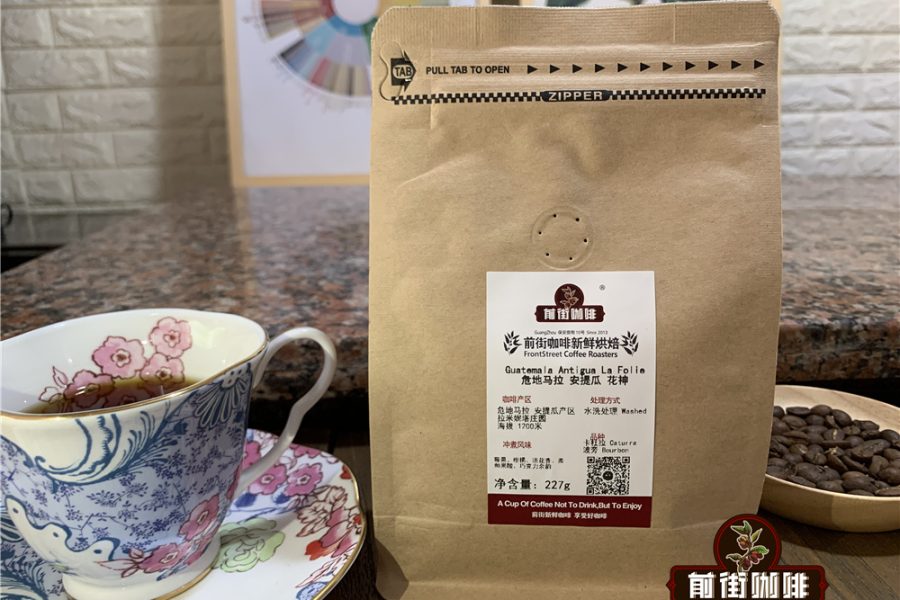
Introduction: Guatemalan coffee is known for its distinctive smoky aroma and complex flavors, but how do you choose quality beans? This article takes a deep look at the country's core growing regions, reveals the hard-bean advantages of SHB-grade coffee, and focuses on the flavor layers and brewing performance of the Flor del Café series to help you find specialty coffee beans suited to pour-over.
When people mention Guatemalan coffee, many first think of its signature smoky aroma. This characteristic comes from the local volcanic landscape—although the country's land area is only equivalent to the US state of Tennessee, it possesses rich volcanic soil and high-altitude environments that provide excellent growing conditions for Arabica beans. Similar to Colombia, the country mainly grows high-quality Arabica varieties, and together with a tropical climate averaging around 20°C, this creates the uniqueness of its coffee flavor.
Guatemalan coffee often carries a natural sweetness. This trait comes both from the tradition of intercropping with sugarcane (the faint sugarcane aroma lightly clings to the coffee cherries) and from the commonly present chocolate notes. Notably, its tropical highland climate is more suitable for coffee growing than that of most neighboring countries, especially in hard-bean regions above 1,500 meters.
Core Regions and Grade Standards
Guatemala classifies coffee beans grown above 1,350 meters with high sugar density as the top Strictly Hard Bean (SHB) grade. Among the country's eight SHB regions, Antigua and Huehuetenango are the most representative:
• The Antigua region is surrounded by three active volcanoes; its 1,200–1,600 meter elevation gives the coffee chocolate and nutty base notes, and traditional estates use low-acid processing methods for a full body and gentle acidity
• Although Huehuetenango has no volcanic soil, its extreme 2,000-meter elevation and dry climate produce bright, high-acid coffee with prominent fruitiness, and it relies on river resources to complete washed processing
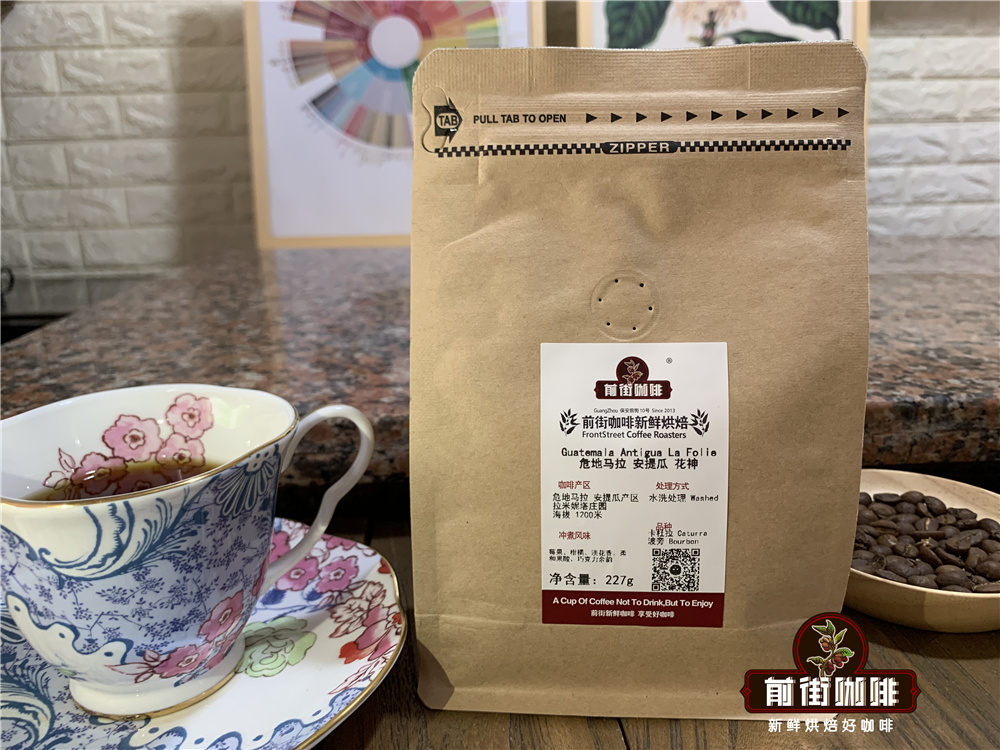
In-Depth Tasting of the Flor del Café Series
Representing the Antigua volcanic region, Flor del Café coffee (commonly found in the premium lines of specialty brands) has these typical parameters:
Variety composition: Caturra/Bourbon/Catuai blend
Processing method: traditional washed fermentation (24–36 hours to remove mucilage)
Flavor profile:
• The dry aroma stage releases fresh citrus and jasmine notes
• On the palate, a soft berry acidity appears, transitioning in the mid-palate to dark chocolate and caramel sweetness
• The finish carries almond nuttiness, with a medium-full body
Suggested brewing recipe: 92°C water temperature / 1:15 coffee-to-water ratio / medium-fine grind (75% passing a Chinese standard No. 20 sieve), which can highlight its bright sweet-acid balance.
When buying, note the following:
1. Authentic Antigua coffee must carry a region traceability code (mandatory in recent years for anti-counterfeiting)
2. SHB-grade beans should be uniform and plump in screen size (quality beans generally have a diameter of ≥18 screen)
3. Freshness check: the best flavor period is within 21 days after roasting; store away from light in a sealed container
For beginners, Guatemalan coffee is quite versatile—you can try a French press for a full-bodied cup, or use pour-over to reveal its layered complexity. The key is adjusting the grind to your personal taste: those who prefer fruity acidity can use a slightly coarser grind (such as 16 screen), while those seeking sweetness should grind somewhat finer.


