Is Colombian coffee Arabica? Huila region Huayueyue flavor analysis
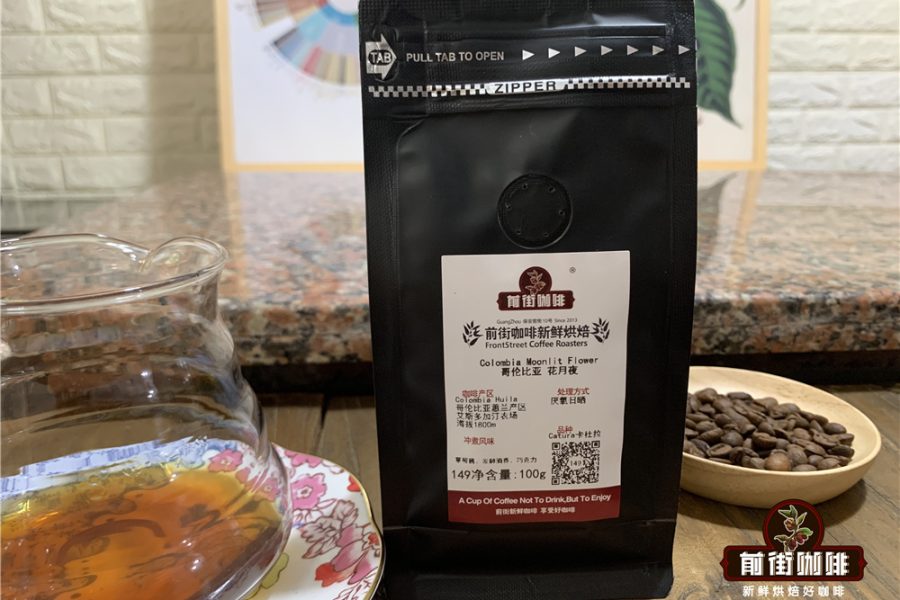
Introduction: Colombia is the world's third-largest coffee exporter, and its specialty coffee is known for its layered flavors. This article takes an in-depth look at the relationship between Colombian coffee and Arabica varieties, focusing on the Caturra variety at 1,800 meters in the Huila region. Through a distinctive anaerobic natural process, it presents strawberry jam, fermented wine and chocolate flavor characteristics, and offers a professional comparison of the two mainstream processing methods—washed and natural—to help coffee lovers more precisely choose the beans they love.
The global coffee market mainly circulates two native varieties—Arabica, which accounts for more than 70%, and the economical Robusta. If you prefer full-bodied dark roasts or have just moved beyond instant coffee, you are more likely to encounter Robusta. But the benchmark for coffee quality is still set by the Arabica system, and among these, the Colombian growing regions, with their exceptional geographical conditions, produce specialty-grade beans that combine a silky mouthfeel with distinctive flavors.
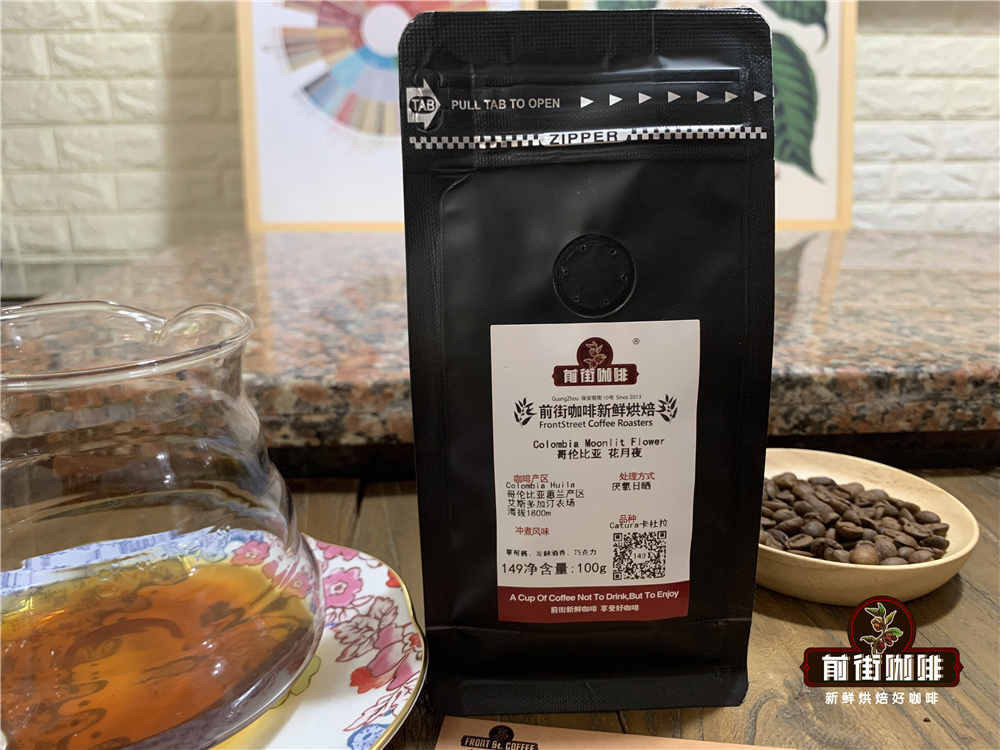
The Caturra variety from the Huila Department of Colombia at 1,800 meters, after an innovative anaerobic natural process, gives rise to the vividly flavored Huayueyue coffee. This bean perfectly displays the layers of tropical fruit fermentation: the front end gives off the sweet, moist aroma of fresh strawberry jam, the middle transitions into an elegant fermented wine aroma, and the finish settles into a mellow chocolate aftertaste. Professional cupping data shows its acidity brightness reaches 4.2/5, and its body index remains at 78%, placing it in the typical medium-to-dark roast application range.
The advantages of Colombia's coffee industry stem from multiple natural endowments: abundant rainfall averaging more than 200 cm per year, combined with terraced terrain with significant day-night temperature differences, and volcanic-ash soil rich in mineral elements such as potassium and phosphorus. The strict grading and screening system enforced locally requires each batch of coffee beans to pass a dual inspection of density flotation and manual removal of defective beans, ensuring that the fruit reaching the market is of consistent ripeness. Compared with the single processing model commonly used in other regions, Colombian farm owners can flexibly choose traditional washed or innovative anaerobic processes according to the climate.
The standard washed process includes four key stages: first, flotation and removal of impurities to remove the mucilage adhering to the pulp; then softening the mucilage through a pectin enzyme degradation layer; next, completing 72 hours of controlled-temperature fermentation in circulating water at 15-20°C; and finally stabilizing the moisture content at 11±0.5% with a drum dryer. This process preserves the citrus aromatic substances of the Arabica variety to the greatest extent, but may weaken the expression of some tropical fruit flavors.
For specialty coffee needs that pursue complex flavors, the anaerobic natural process in the Huila region shows unique advantages. After harvest, the coffee cherries need 72-96 hours of anaerobic fermentation in sealed stainless steel tanks, during which precise regulation of oxygen concentration (maintained below 0.5%) and the temperature curve (gradual change from 28-32°C) increases the efficiency of sugar conversion in the pulp by 30%. The natural drying stage requires turning three times a day and continuous monitoring of moisture content changes, ultimately forming a layered, three-dimensional composite aroma spectrum. It is worth noting that this process is extremely sensitive to humidity in the storage environment, and consumers are advised to store the beans in aluminum foil bags with one-way exhaust valves after purchase.
The overall flavor matrix of Colombian coffee presents classic balanced characteristics: bright berry acidity and the sweetness produced by caramelization reactions support each other, with subtle cardamom spice notes dotted in between. Research by professional institutions shows that the country's specialty coffee growing belt contributes 12% of the global commercial circulation of Arabica, with more than a million workers following a unified quality control system, establishing a standardized database from growing-altitude labeling to roasting curve parameters. Together, these factors create its market premium and quality stability.


