Why Is Your Pour-Over Coffee Bitter? 5 Common Causes and Fixes
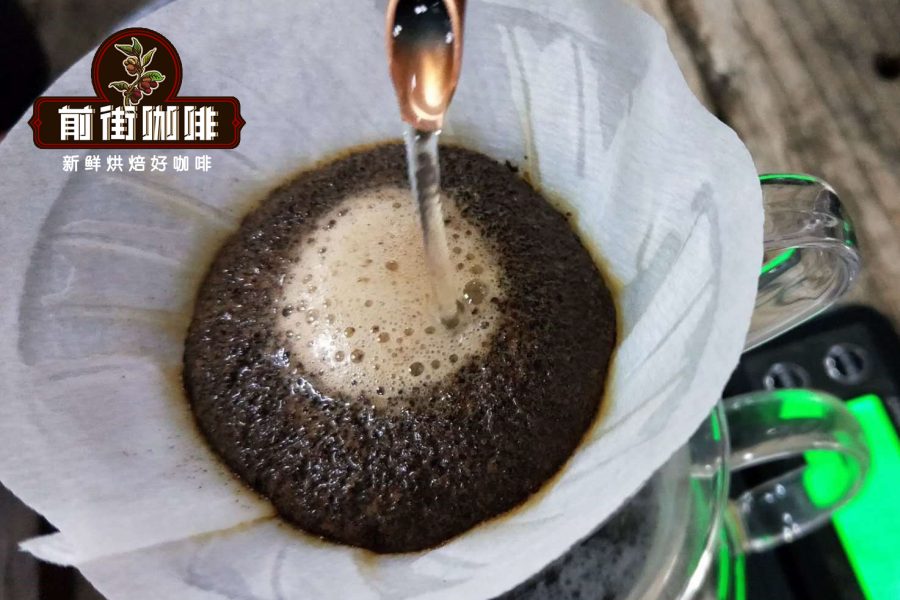
Introduction: Bitterness in coffee is not inevitable—mastering the right brewing parameters and details can improve the flavor. This article takes a deep look at the five main causes of overly bitter coffee, from equipment cleanliness to grind size, and combines practical advice on water temperature control and extraction time to help beginners brewing pour-over coffee make precise adjustments and brew a cup with rich layers. Practical tips are included at the end to help you avoid common mistakes.
A cup of coffee in the morning that carries obvious bitterness can easily ruin your mood for the whole day. In fact, coffee's natural flavors should be rich and varied—Ethiopian Yirgacheffe has citrus and floral notes, Sumatran Mandheling carries mellow chocolate tones—and excessive bitterness is often a sign that something went wrong during brewing. By optimizing five key details, you can free your pour-over coffee from the trouble of bitterness.
Dirty brewing equipment is the hidden culprit. Coffee residue that builds up on the inner walls of a drip coffee maker or pour-over kettle will release burnt-bitter substances when repeatedly heated. It is recommended to rinse the filter basket and server with warm water immediately after each use, and to deep clean at least once a week: fill with water, add 1/2 teaspoon of baking soda, bring to a boil, let it sit for 10 minutes, then pour it out. This removes stubborn stains and also neutralizes some acidic substances, reducing the bitter taste.
The freshness of coffee beans directly affects the flavor direction. Roasted coffee beans are at their best for about 7–21 days; beans stored for more than a month become more oxidized and lose a large amount of aromatic compounds. If you buy pre-ground coffee, it is best to use it within 7 days of opening—fine grounds exposed to air easily absorb moisture and develop a stale taste. To judge the condition of the beans, observe the oily sheen on the surface: light-roast beans lose their shine and turn grayish-white after long storage, while dark-roast beans develop uneven dark spots.
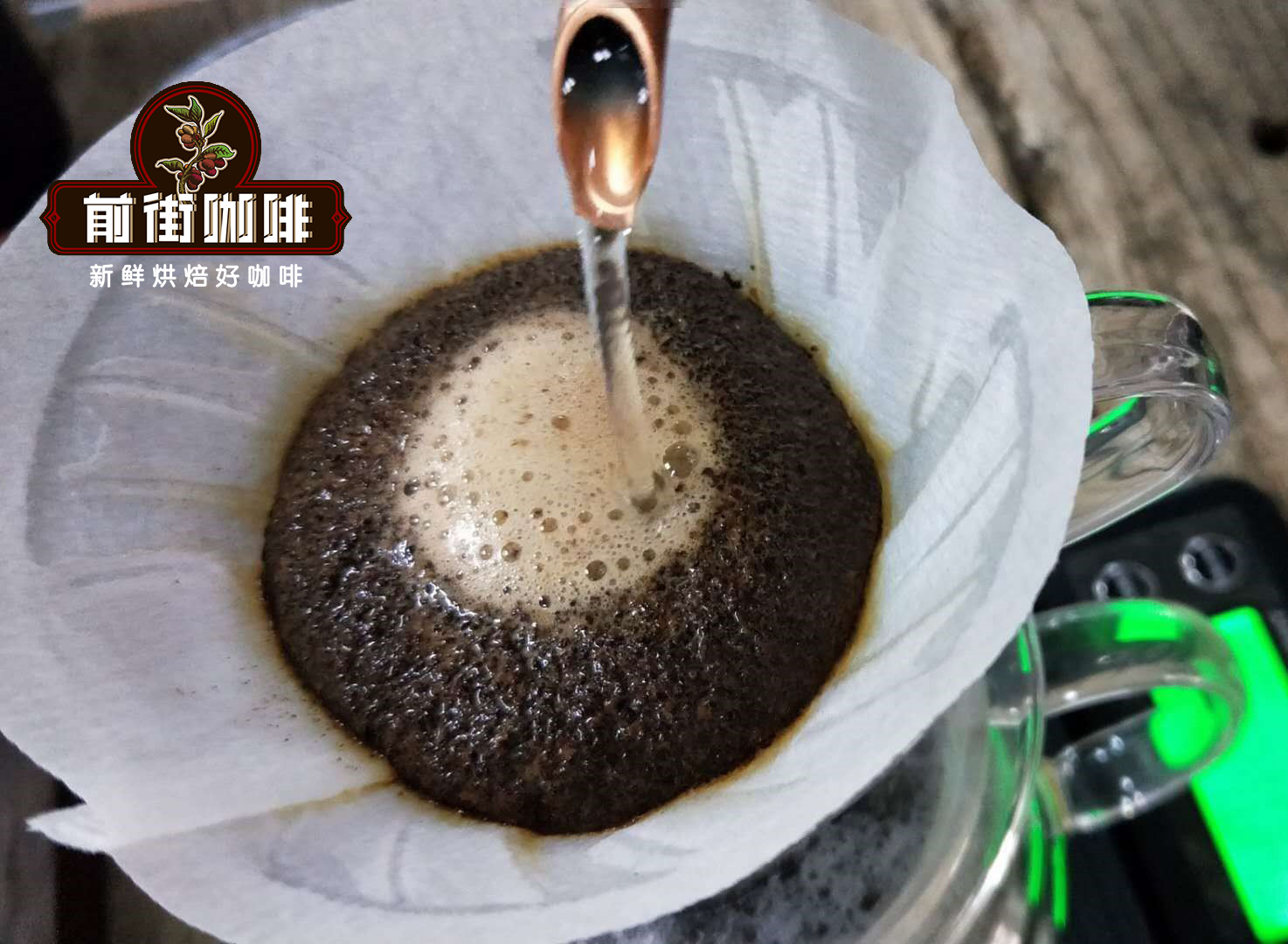
Over-extraction is a common driver of bitterness. During pour-over brewing, if the water keeps soaking the coffee grounds for more than 3 minutes, or if a French press steeps for more than 4 minutes, too many large-molecule bitter substances will be extracted. Beginners are advised to start with the following parameters: water temperature 90–93°C, coffee-to-water ratio 1:15 (for example, 15 grams of beans to 225 milliliters of water), pour at a steady speed and finish the first pour in 2 minutes, with total extraction time controlled between 2 minutes 30 seconds and 3 minutes. If you taste obvious sharp acidity, it may indicate under-extraction.
The match between grind size and brewing device is often overlooked. Coarse grind (about the size of granulated sugar) suits a French press, fine grind (close to the texture of table salt) is used for espresso machines, and for pour-over a medium-fine grind (between granulated sugar and table salt) is recommended. The wrong choice causes water to flow through at an abnormal speed—too coarse and extraction is insufficient, too fine and bitter compounds are over-extracted. Each time you change to a new batch of coffee beans, adjust the grinder setting accordingly.
Water that is too hot is a flavor killer. Boiling 100°C water destroys the aromatic esters in coffee and forcibly draws out bitter substances such as tannic acid. Actual measurements show that water above 96°C increases the extraction of bitter substances by 37%. For home brewing, you can use the "boiling water resting method": after the water boils, turn off the heat and wait about 30 seconds for the temperature to fall to the 90–92°C range; pouring it over the coffee grounds at this point brings out the aroma while avoiding excessive bitterness. If you use an electric kettle, refer to the keep-warm setting markings on the body to adjust the heating time.
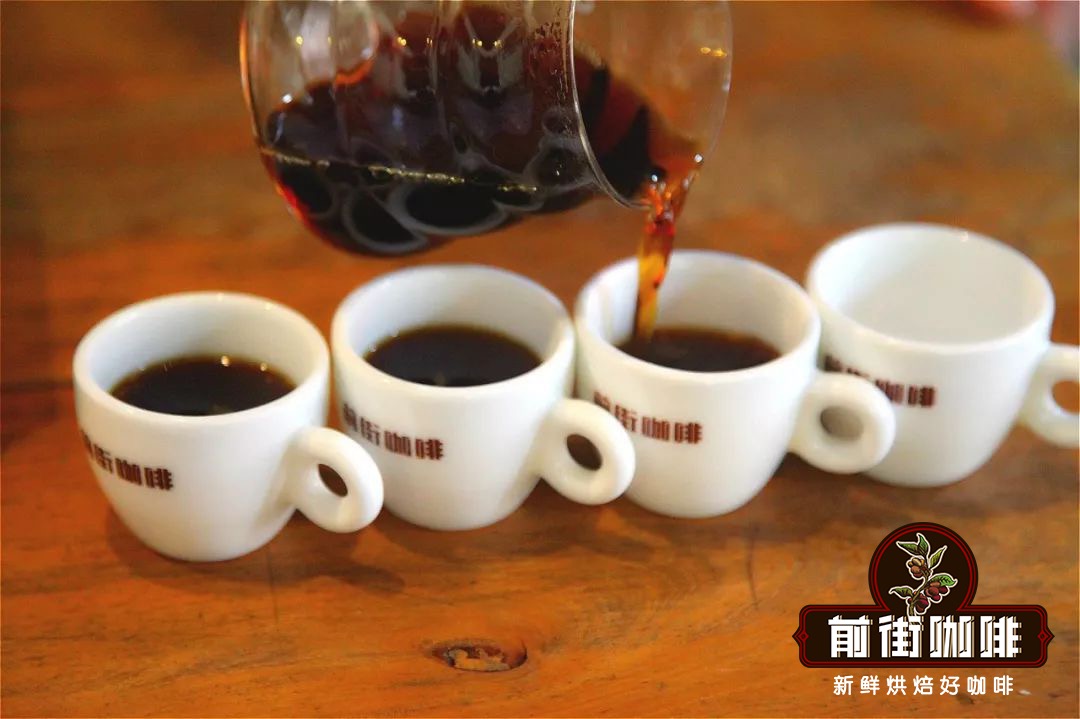
Once you have mastered these points, try recording the parameter combination of each brew: bean origin, grind setting, water temperature, time and taste feedback. After several adjustments, you will find the balance point that best suits your personal taste. Remember, a good cup of coffee should have flavor layers as harmonious as a symphony, not dominated by a single bitter note.


