Why Cold Brew Is Popular: Flavor Comparison with Iced Americano and Ice Drip, Plus a Home Brewing Guide
Introduction: Cold brew coffee has become a popular summer drink thanks to its refreshing taste and low bitterness. This article explains the unique extraction principle of cold brew, compares the production differences and flavor characteristics of iced Americano and ice drip coffee, and provides detailed home brewing parameters and flavor descriptions to help you choose a cold coffee option suited to your personal taste preferences.
Among coffee drinking methods, iced coffee covers many forms, including iced Americano, iced latte, iced pour-over, cold brew, and ice drip coffee. Although these drinks all fall into the cold drink category, their production processes and flavor characteristics are entirely different. Iced Americano, iced latte, and iced pour-over are usually made from high-concentration coffee liquid extracted at high temperature, then diluted and cooled by adding water, ice, or milk; cold brew coffee, by contrast, uses a completely different low-temperature, long-duration extraction method.
Cold brew coffee is mainly divided into two types: ice drip coffee, which requires professional equipment and usually appears in specialty coffee shops because of its complex production; and the other, regular cold steeped coffee, which is simple to operate and, thanks to its easy process and prominent original flavor of the coffee beans, has become the first choice for home users. This low-temperature extraction method not only lowers the operational threshold but also presents the purer flavor layers of the coffee beans.

The core of cold brew coffee (Cold Brew) lies in low-temperature water extraction. Unlike traditional high-temperature extraction, it uses room-temperature water or ice water for long soaking, usually with the water temperature controlled between room temperature and freezing point. The low-temperature environment makes the release of caffeine and acidic substances gentler, and the final coffee liquid has significantly reduced bitterness while highlighting bright sweet-and-sour notes and unique fermented flavors. For this reason, cold brew coffee often requires an extraction time of 8 to 12 hours, far longer than the few minutes needed for regular hot extraction.
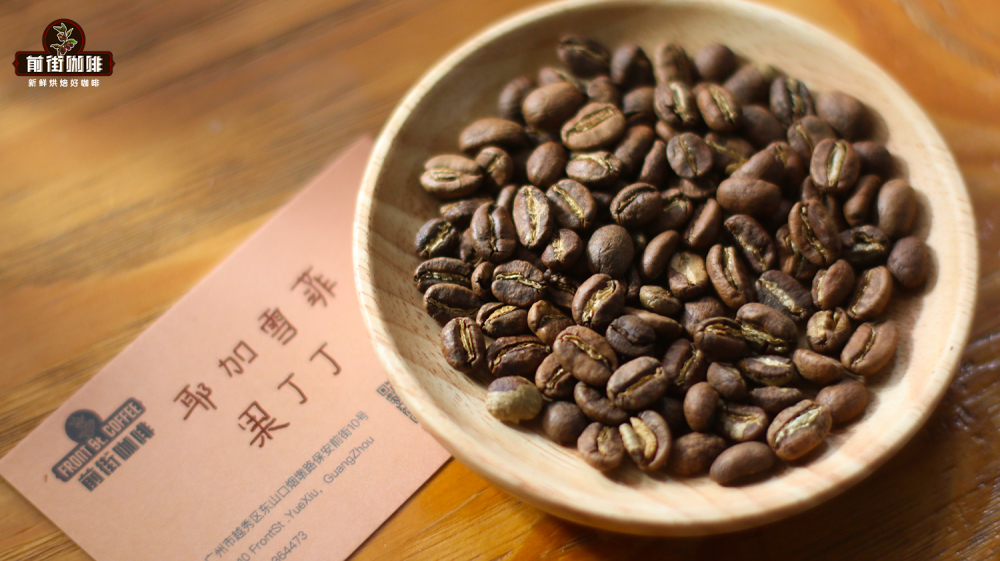
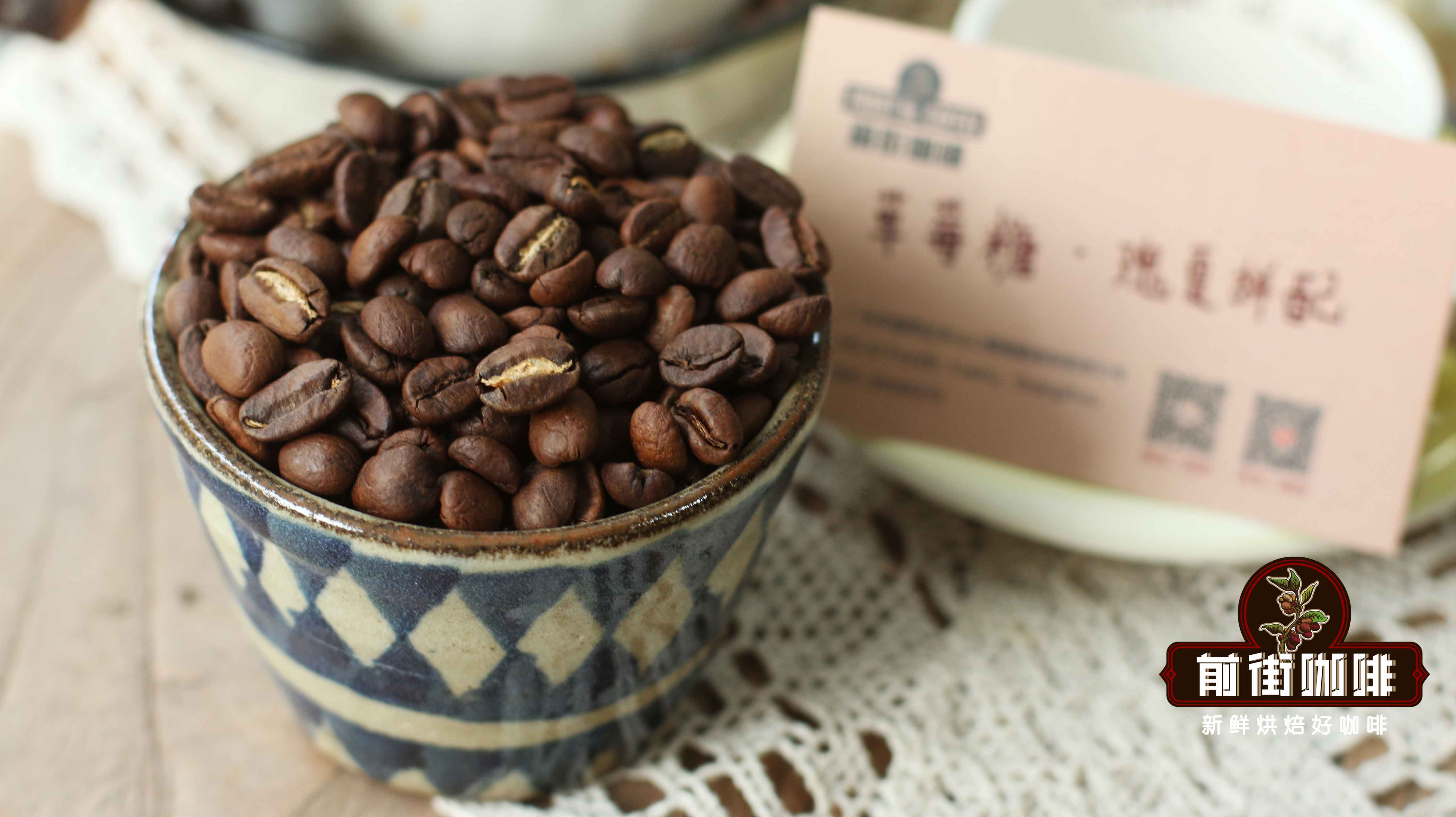
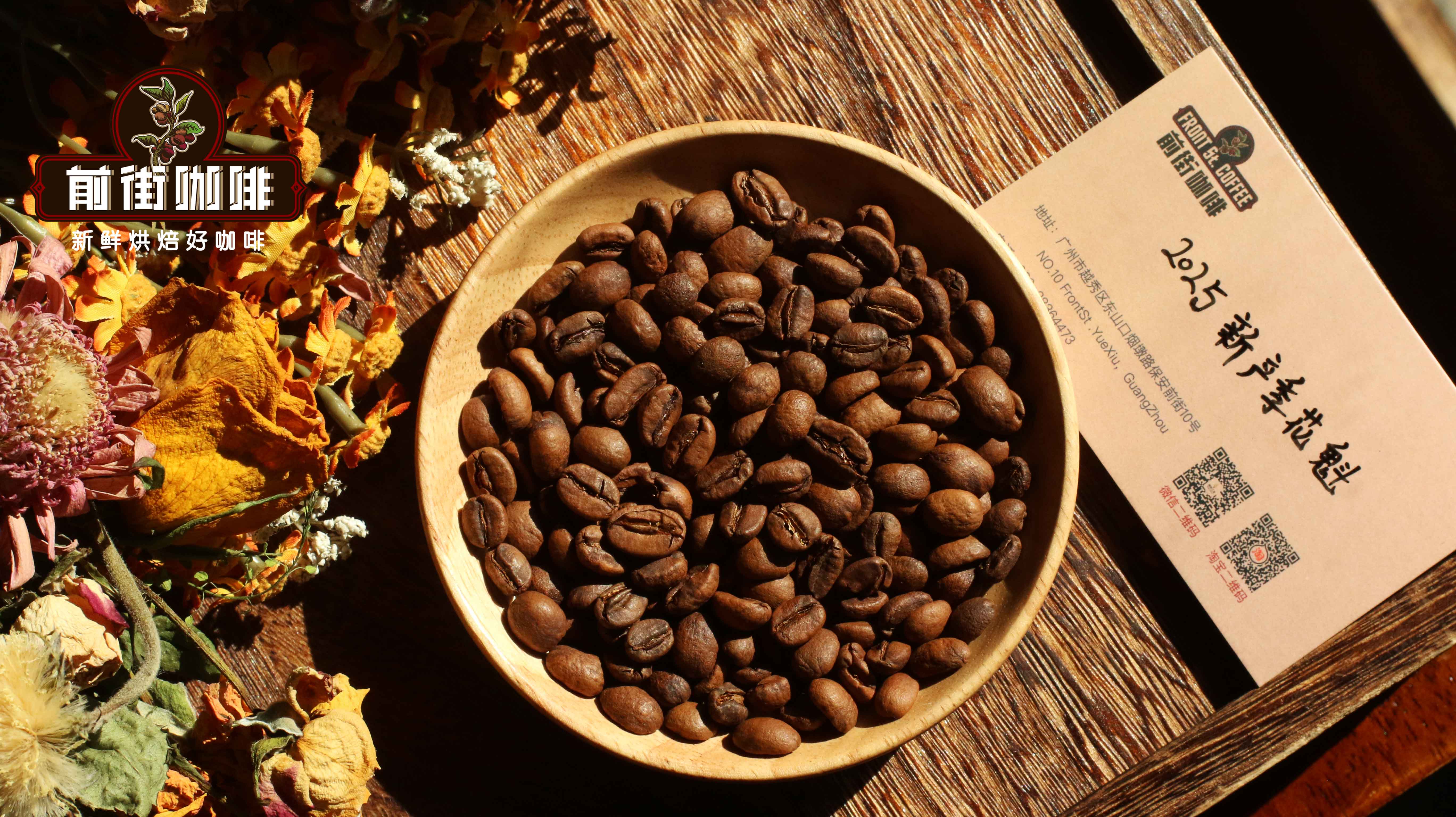
The roast level of coffee beans significantly affects cold brew flavor. Since coffee beans are essentially seeds, their oil content increases as the roast degree deepens. Lightly roasted coffee beans usually show a light juice-like quality, accompanied by prominent floral and fruity aromas and clear acidity, and can present a delicate and smooth mouthfeel when made into cold brew; dark roasting brings a heavier body and rich caramelized aroma, with a flavor closer to the traditional "coffee taste" familiar to the public. For home users pursuing balanced flavor, it is recommended to prioritize light-to-medium roasted beans, which retain fresh acidity without overly highlighting bitterness.
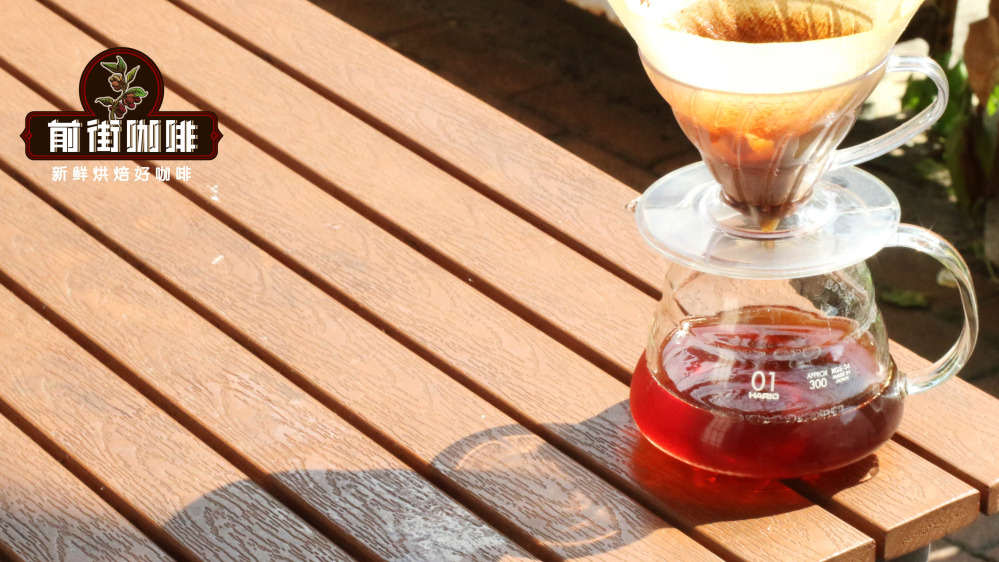
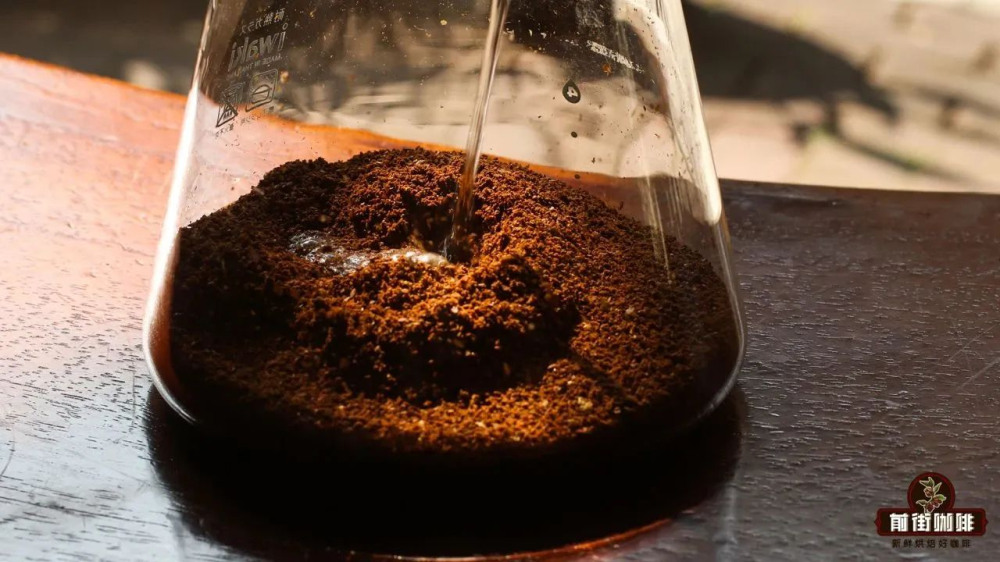
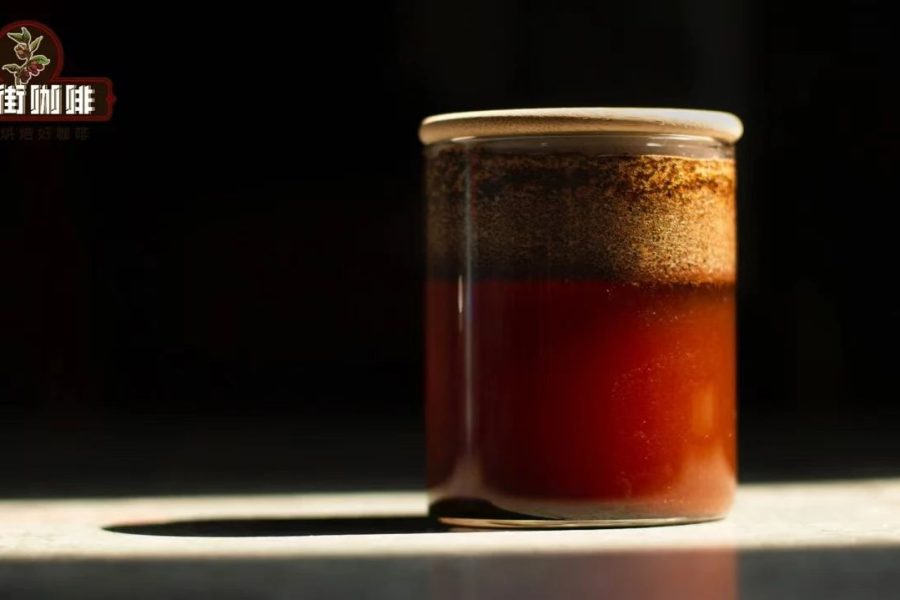
Making high-quality cold brew coffee requires attention to key parameters and process details. First, prepare a clean glass container with a 200ml capacity and a sealed lid, ensuring no oil residue remains to avoid contamination by off-flavors. Weigh 20 grams of medium-ground coffee beans (a grind size close to granulated sugar is recommended, about 75% passing through China standard sieve No. 20), put them into the container, and pour in room-temperature or ice water at a 1:10 ratio (that is, 200ml of water). Stir thoroughly so the coffee grounds are evenly wetted, seal, and place in the refrigerator to rest for 8 to 12 hours. During this process there is no need to shake or open the lid frequently; still soaking is enough to complete full extraction.
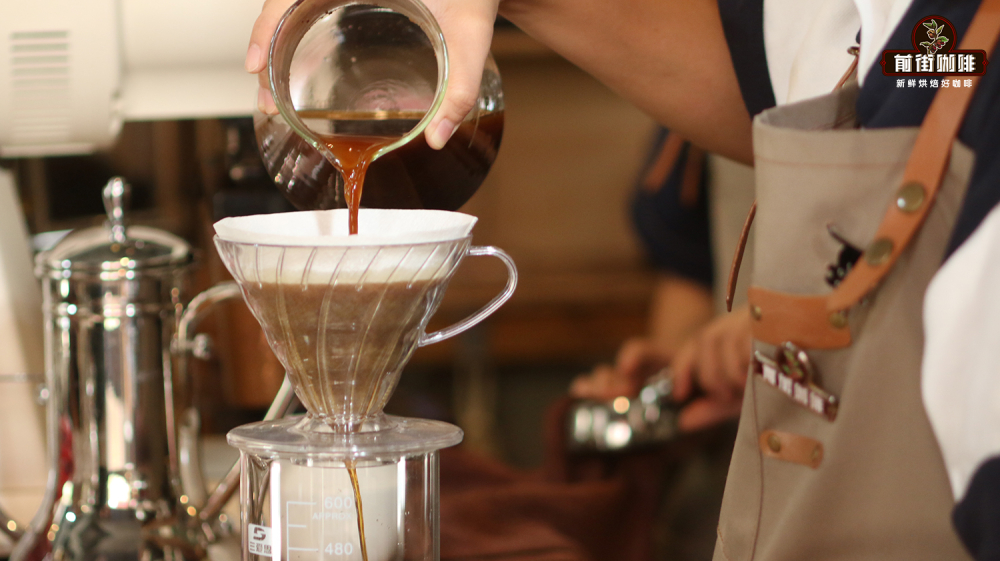
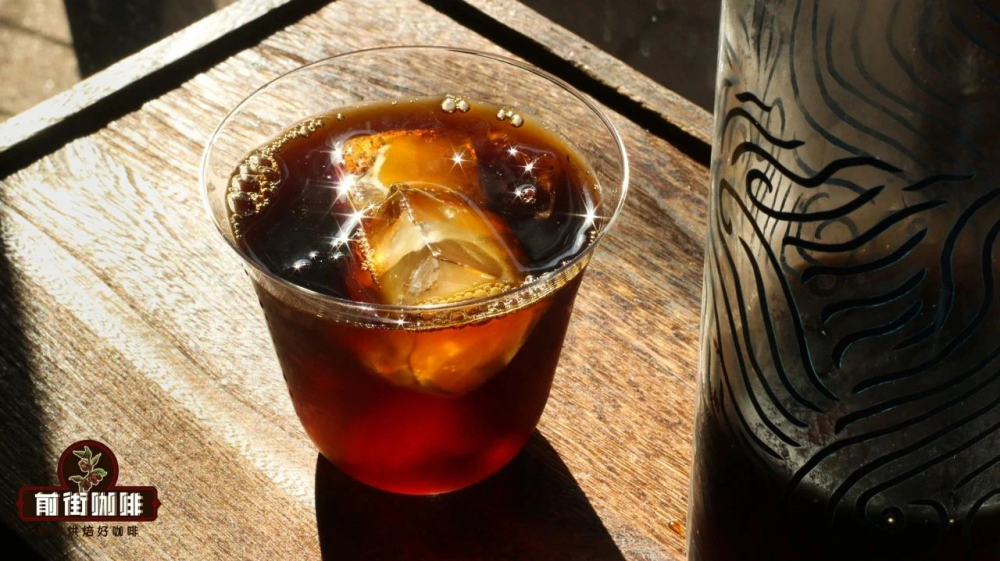
After extraction is complete, separate the coffee grounds with filter paper or professional filtering tools to obtain the final cold brew coffee liquid. At this point you can add ice cubes, mineral water, or a small amount of milk according to personal taste to adjust concentration and mouthfeel. It is worth noting that cold brew coffee, due to its low-acid characteristics, is more suitable for drinking directly; if you seek richer flavor layers, you can try pairing it with light-to-medium roasted beans from different regions to experience diverse changes from fresh citrus notes to soft nutty aromas.
Compared with iced Americano, cold brew coffee avoids the burnt bitterness and tannic astringency brought by high-temperature extraction, and its mouthfeel is more refreshing and pure; compared with ice drip coffee, which requires hours of dripping, cold brew has a lower operational threshold and controllable time, making it more suitable for daily home production. Consumers can choose the cold coffee type that best suits them based on considerations of flavor complexity, production convenience, and time cost.