Ethiopian Sidamo vs Yirgacheffe Coffee Beans: Flavor Differences and Brewing Tips
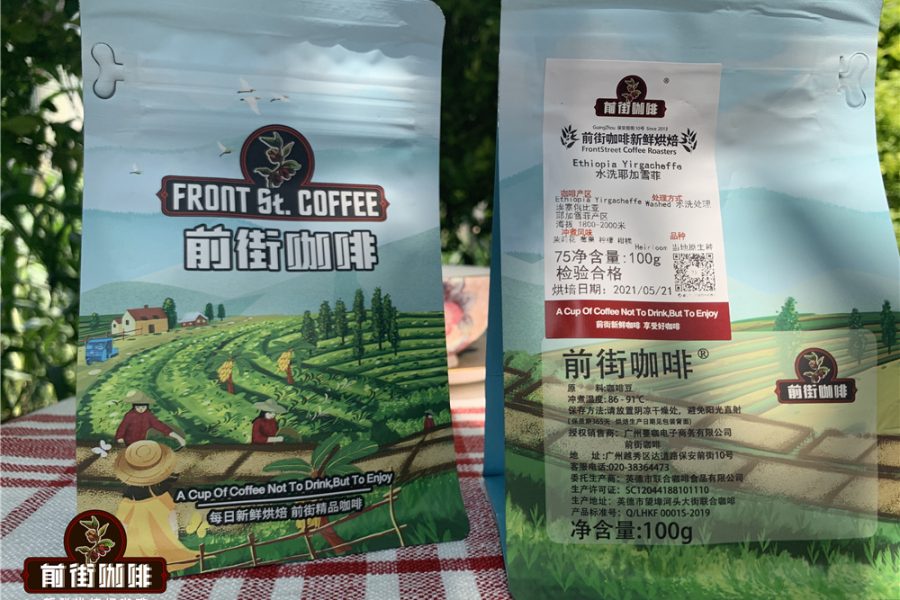
Introduction: As the birthplace of coffee, Ethiopia is home to the Sidamo and Yirgacheffe regions, which, though neighboring, each have distinctive characteristics. This article compares two classic bean types from altitude and processing method to flavor-wheel details, analyzes the causes of floral, citrus and earthy notes, and provides pour-over parameter references to help you choose precisely according to your taste preferences.
Ethiopia is known for ranking seventh in the world in coffee production, with about 1,500 square miles of land nationwide planted with coffee, of which more than 80% comes from smallholder farmers. The country produces 275,000 tons of coffee each year, nearly half of which is consumed locally, and the government strictly controls smallholder earnings and the green coffee pricing system. On this land that gave birth to the coffee legend, the two major regions of Sidamo and Yirgacheffe are like twin stars, winning the hearts of specialty coffee lovers with completely different flavor characteristics.
Sidamo Province, located in southern Ethiopia, borders Kenya. Coffee trees grow in highland areas at altitudes of 1,500-2,100 meters (about 5,000-7,000 feet), and the main harvest period is from October each year to January of the following year. The high-altitude environment slows the growth cycle and prompts coffee beans to accumulate richer flavor substances.The region's soil is rich in volcanic minerals, and combined with washed or natural processing—especially traditional natural processing of heirloom varieties—it often displays complexity comparable to top estates in Central and South America.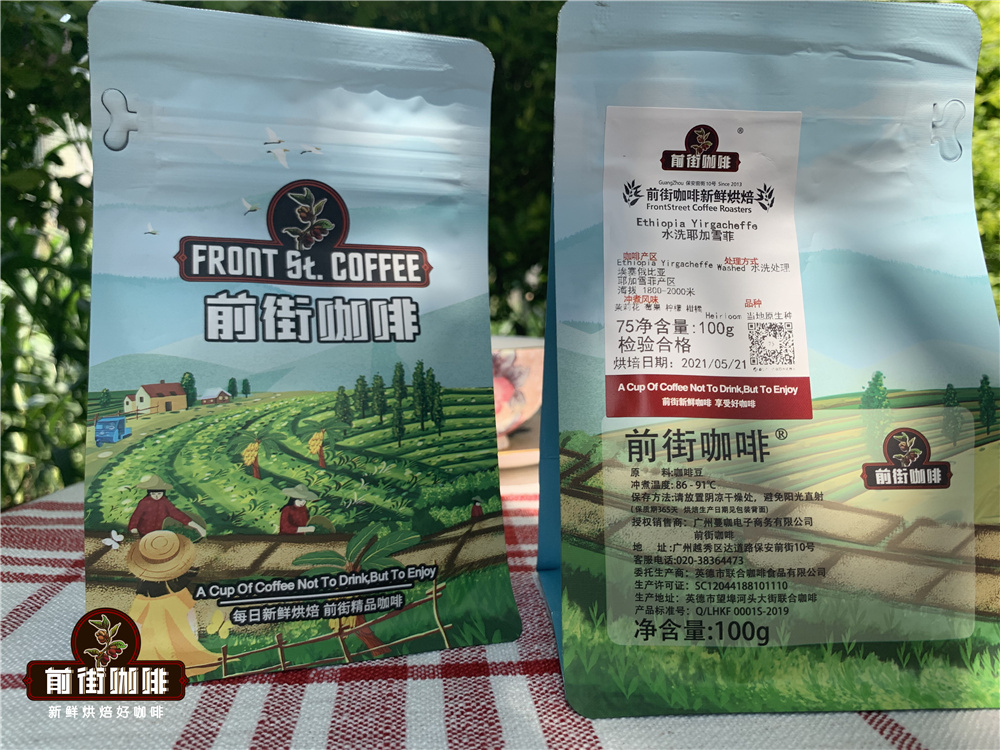 Its flavor profile centers on bright citric acidity and wild berry notes, accompanied by sucrose-like sweetness, with a medium-light body and a clean finish, and some lots show a distinctive earthy mineral character.
The green-gray small-particle green beans unique to the Sidamo region release deep spice and chocolate finish notes during roasting. Professional roasters recommend medium roasting (from the dense stage of first crack to its end), which can balance its natural spiciness with floral and fruity aromas. For pour-over, a water temperature of 90-93°C and a 1:15 coffee-to-water ratio are recommended; staged extraction can highlight its distinctly layered citrus acidity.
Turning to Yirgacheffe—this sub-region, which like Sidamo belongs to the Southern Nations, Nationalities, and Peoples' Region, centers on the town of the same name, Irgachefe (Yirgacheffe). Although the straight-line distance between the two places is less than 100 kilometers, Yirgacheffe's altitude is generally higher (1,700-2,200 meters), creating a more vivid matrix of jasmine, lemon black tea and tropical fruit flavors. As a typical region derived from the Geisha variety, its coffee beans are almost all processed with meticulous washing, creating a highly pure sweet-acid balance.
Visually, Yirgacheffe green beans show a blue-green luster and are denser than ordinary Arabica beans. Professional cuppers often describe its flavor as "the freshness of a morning garden": on entry, bright acidity like white petals and lemon peel, then the flesh-like texture of mango and blueberry, with a slight black-tea-like mellow aftertaste at the end.The best brewing plan uses a water temperature of 88-90°C, extending the bloom time to 40 seconds, which can effectively stimulate its delicate floral layers. It is worth noting that beans from some low-altitude plots in this region may have sharp acidity or grassy off-flavors, so when purchasing, look for the G1 or G2 grade marking.
From a flavor map perspective, Sidamo is like a splashed-ink oil painting, using earth tones as a base dotted with leaping bright color blocks; Yirgacheffe is like a watercolor sketch, stacking transparent layers to create an ethereal tone. For coffee lovers who are just starting out, it is recommended to first try natural-processed Yirgacheffe lots to develop palate sensitivity; while advanced players pursuing complexity might compare Sidamo Guji varieties and Yirgacheffe Wolisho micro-lots from the same roaster, observing how processing methods express regional terroir differently.


