Brazilian Coffee Bean Quality: Cerrado Flavors and Pour-Over Brewing Guide
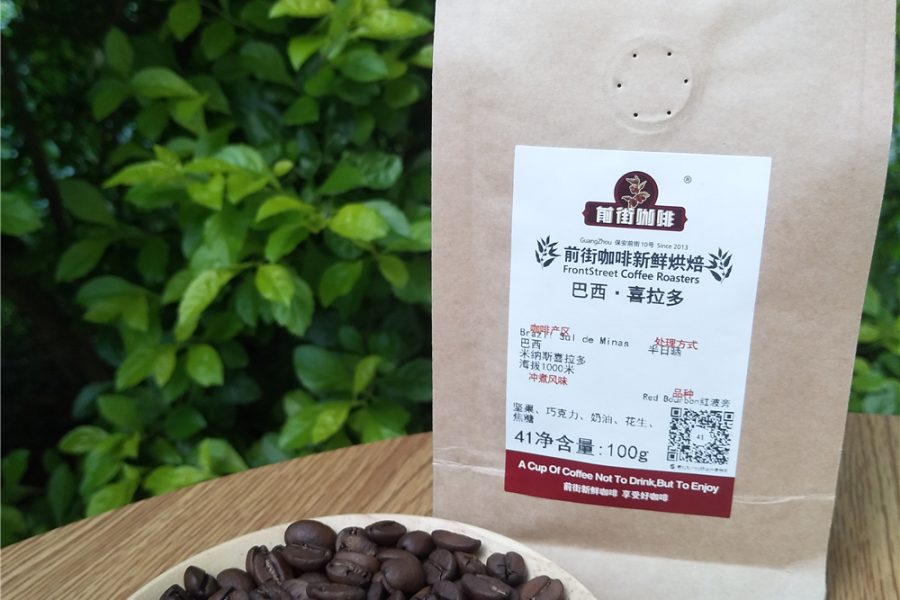
Introduction: As the world's largest coffee producer, Brazil often has its coffee labeled as "affordable commercial beans." But a deeper look at core regions such as Cerrado reveals that mid- to high-altitude Arabica beans here can present distinctive nutty notes. This article examines the true flavor layers of Brazilian coffee—from regional microclimates and variety characteristics to brewing recommendations—and offers practical tips for selecting quality beans.
Brazilian coffee traditionally brings to mind mild, full-bodied commercial beans, but this perception is changing. Although the country is known for ranking first in production, core regions such as Minas Gerais in the south have, through refined cultivation, produced many specialty-grade Arabica beans that combine balance with distinctive flavors. Particularly noteworthy is the Cerrado region, whose highland climate conditions yield coffee with pronounced nutty and chocolate base notes.
Geographically, Brazilian coffee is concentrated in four distinctive regions. Minas Gerais, the largest region, contributes nearly half of national production; its Sul de Minas sub-region sits at about 800–1,200 meters, and coffee from small farms (mostly 10–100 hectares) often carries bright citric acidity and red berry notes. Neighboring São Paulo State has Brazil's highest-altitude growing areas (900–1,100 meters), 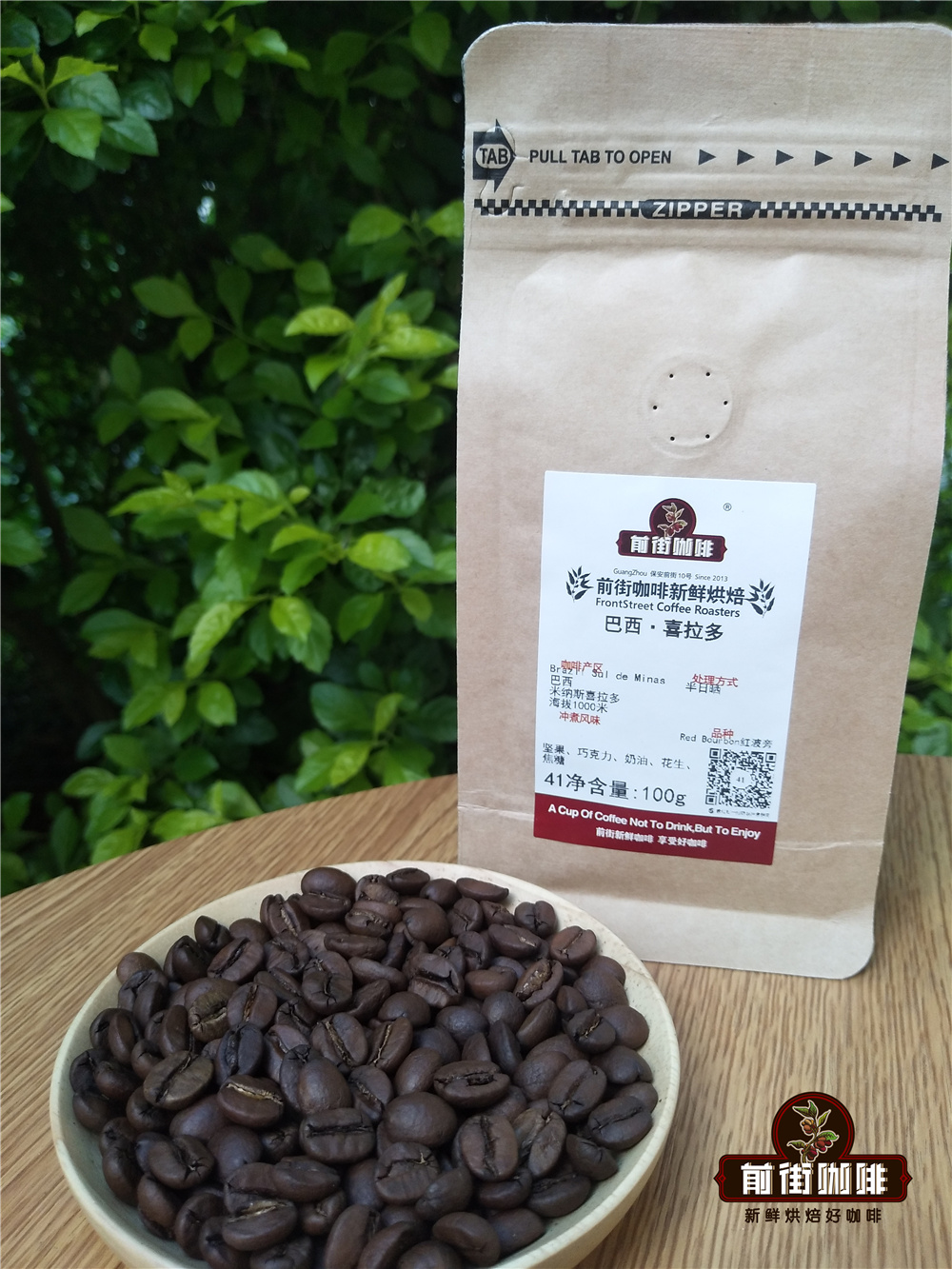 while Bahia in the northeast is an emerging Cerrado coffee origin, using mechanical harvesting to ensure uniform fruit ripeness. Notably, this region regulates moisture through irrigation systems, resulting in denser beans—an important factor for subsequent grinding and extraction parameter settings.
Brazilian coffee's flavor characteristics are closely tied to growing altitude. The common Bourbon Santos variety, when grown at low altitudes (typically below 1,000 meters), shows low acidity (pH 5.8–6.2) and medium body, with caramel sweetness and a nutty finish. Compared with the sharp acidity of Central American coffees grown above 1,500 meters, this mild character makes it a preferred base bean for espresso blends. Professional roasters suggest brewing such beans as pour-over at 92–94°C with a medium-coarse grind (about 70% passing a Chinese standard No. 20 sieve) to highlight their full-bodied mouthfeel.
Driven by the specialty coffee wave, Brazil is raising product premiums through organic certification (about 15% of plantations nationwide are certified) and fair trade systems. When buying, consumers should note: Arabica beans from the Sul de Minas and Cerrado regions of Minas Gerais typically have more complex flavor layers. For storage, unopened coffee beans kept in a constant-temperature, constant-humidity environment (ideally 18–22°C, humidity <60%) maintain peak flavor for up to 12 months, while ground coffee should be used within 30 minutes to ensure extraction efficiency.
On cultivation techniques, Brazil widely combines shade growing with mechanical harvesting.  Although this efficient production method sacrifices some of the advantages of meticulous smallholder management, strict quality grading systems (such as the NY2/3 grade standard of the New York futures exchange) still allow batches with specialty potential to be selected. For coffee enthusiasts, comparing Brazilian beans from different regions (for example, alongside Ethiopia's Yirgacheffe) makes it easier to appreciate their distinctive style: a "nutty base plus clean finish."


