Flavor Analysis and Buying Guide for Coffee Beans from Ethiopia's Three Major Regions
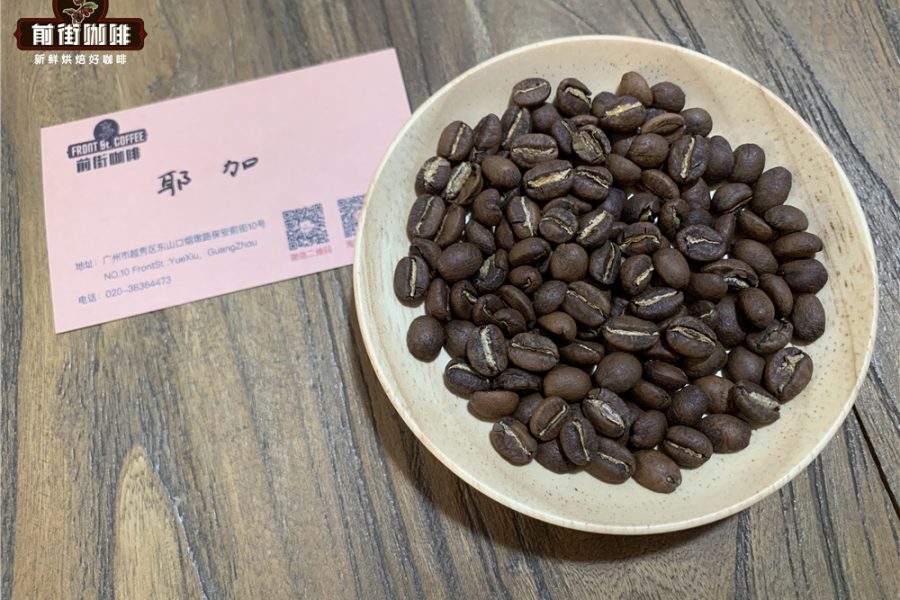
Introduction: Ethiopia, the birthplace of coffee, nurtures the world's richest coffee gene pool. This article provides an in-depth analysis of the flavor characteristics and processing differences of the three core regions—Yirgacheffe, Sidamo, and Harar—comparing acidity expression, fruit aroma layers, and body across different elevations to help coffee enthusiasts build a systematic understanding of these regions, and offers sensory identification points for natural and washed processing.
The genetic code of global commercial coffee varieties can all be traced back to wild populations on the Ethiopian highlands. This East African country straddling the equator, with its unique combination of a 1500–2200 m elevation gradient, volcanic soil, and an average of 2,000 hours of sunshine per year, cultivates distinctive coffee trees without reliance on chemicals. The fertile red soil of the southern highlands is especially suited to Arabica growth, creating the world's most diverse group of micro-lot coffee regions.
Ethiopian coffee displays striking regional character: natural sun-dried processing gives the fruit a rich fermented sweetness and vinous body, commonly with blueberry, tropical fruit, and red-wine finish; washed processing highlights a clean acidity structure, emphasizing citrus, jasmine, and tea-like flavors. The southern Yirgacheffe region uses raised-bed slow-drying technology, allowing the beans to retain the freshness of morning dew, with typical flavors of jasmine florals led by a citric acidity, honey sweetness emerging mid-palate, and a soft astringency like black tea in the finish.
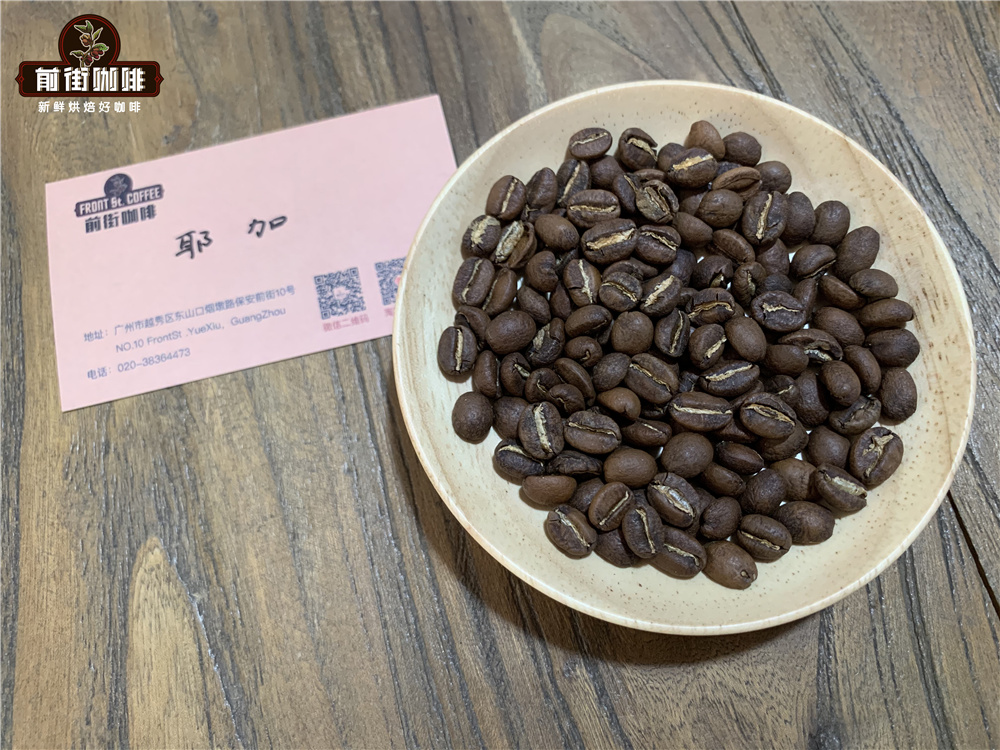
The Sidamo region lies southeast of Yirgacheffe, where terraced growing belts at 1400–2200 m elevation create a complex flavor combining floral and fruit aromas with body. Washed beans from this region often show bright acidity of blueberry and bergamot paired with a creamy black-tea mouthfeel; natural processing develops an intense sweetness like blackberry jam and a silky-smooth body. Notably, washed beans from the Gedeo sub-region in southern Sidamo, due to fine grading and sorting, have more pronounced citrus notes and brighter, longer-lasting acidity than those from the north.
The Harar region, Ethiopia's oldest coffee-growing area, has a semi-arid climate at 1700–2100 m elevation that gives rise to a unique raisin honey processing method. This partial sun-drying process gives the beans both the sweetness of blueberry jam and the tannic texture of red wine, with acidity expressed as lively berry notes and complex layers of spice and leather emerging mid-palate. Traditionally hand-picked coffee cherries in this region are dried for more than 21 days, turned daily to ensure even drying, ultimately forming the signature wild fruit aroma and chocolate finish.
The processing differences among the three regions directly influence flavor direction: the Yirgacheffe region generally uses a 72-hour temperature-controlled fermentation washed process, giving the beans a bright acidity range of pH 5.2–5.6; some Sidamo estates use a double-wash method to remove the pectin layer, creating purer citrus flavors; Harar retains the traditional raised-bed sun-drying process, developing dark fruit flavors through an 18–25 day slow dehydration. Consumers can judge the processing method by observing the state of the silver skin on green beans—washed beans have silver skin that easily peels off and appears semi-transparent, while natural beans often have silver skin tightly adhered to the bean surface.
From a value perspective, because of stable production and balanced quality, the average price per kilogram of G1 washed beans from Sidamo is about 75% that of Yirgacheffe, yet its flavor complexity is no less. Professional roasters recommend: for those who prefer fresh acidity, choose Yirgacheffe G1 washed beans (light to medium roast recommended); for rich fruit sweetness, try Sidamo G2 natural beans (medium-dark roast to highlight caramelization); and Harar coffee is better suited to ice drip or cold brew to accentuate its wild flavor layers.

The Ethiopian coffee gene pool contains more than 100 native varieties, among which disease-resistant varieties such as 74158 and 74110 are widely planted in the southwestern regions. These natural variants, which have not undergone artificial selection, may look mixed in appearance but contain infinite possibilities ranging from jasmine florals to blackcurrant acidity. For coffee enthusiasts, comparing samples of different processing methods from the same region can more clearly reveal how elevation, soil, and craft shape flavor.


