Are Coffee Beans Fruit? Floral Aroma, Acidity, and Bean Picks

Introduction: Many people wonder whether coffee is a fruit, and the answer actually relates to the characteristics of the coffee fruit. This article takes a deep look at the truth of coffee as a fruit, reveals the chemical origins of floral and fruity aromas, analyzes the mechanisms behind coffee acidity, and recommends several pour-over bean varieties with typical floral and fruity characteristics, to help coffee lovers better understand and choose the flavors they enjoy.
Many people are surprised the first time they hear the saying "coffee is a fruit," but in fact, from a botanical perspective, this claim is not unfounded. The raw material of the coffee we drink daily comes from the fruit produced by the coffee tree, commonly called the "coffee cherry" or "red cherry." Although we do not directly eat its flesh, in agricultural classification coffee is indeed a fruit crop.
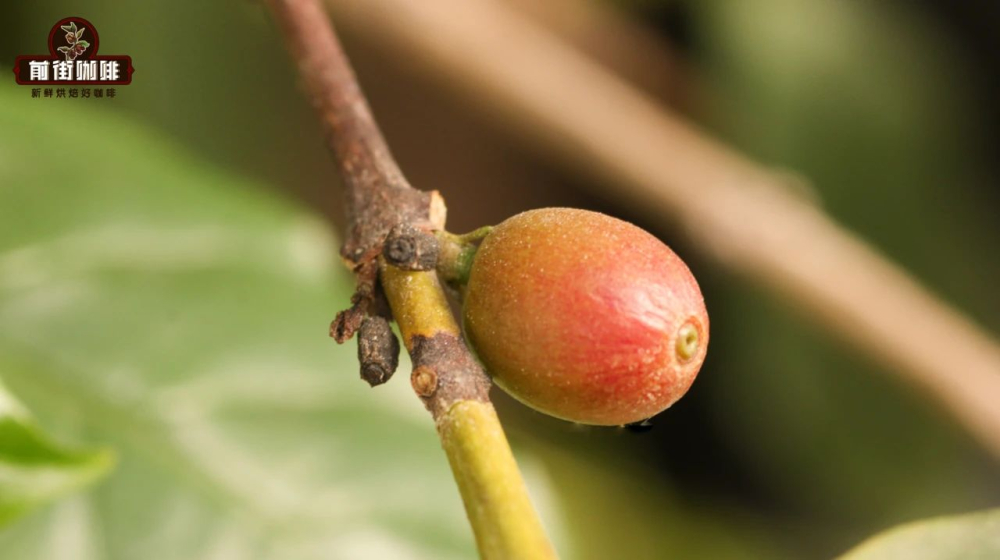
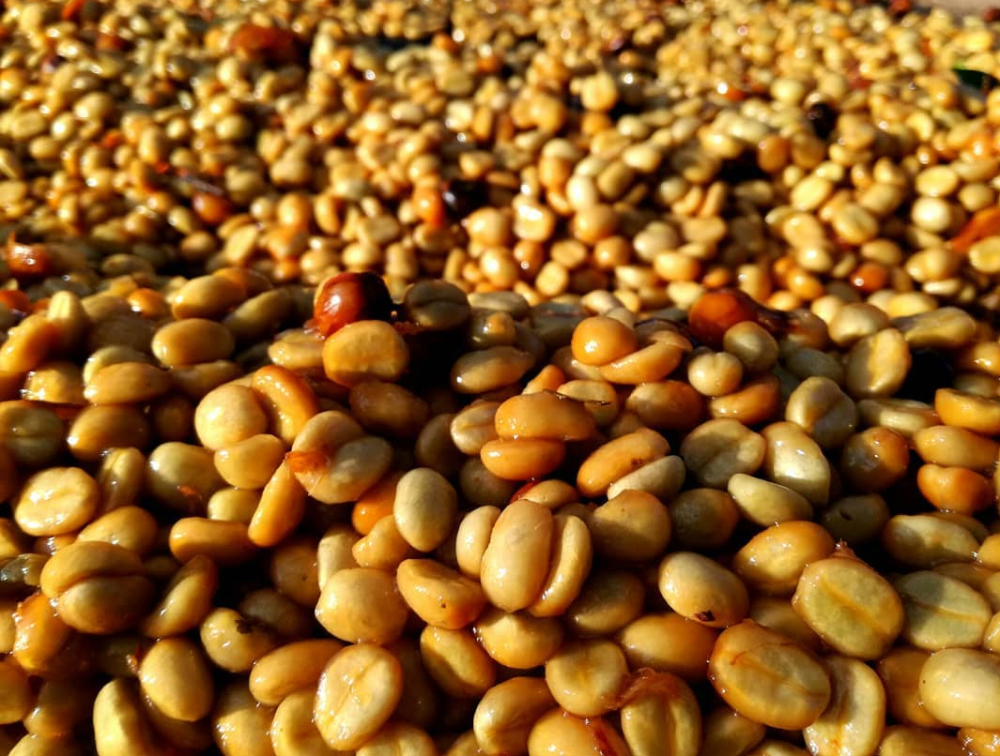
The outer layer of the coffee fruit is the skin and flesh, and inside is wrapped the seed—what we commonly call the coffee bean. What truly gives coffee its rich flavor is the hundreds of aromatic compounds contained in these seeds. To extract these precious seeds, a series of complex processing steps is required, including removing the skin, flesh, and pectin layer, before green coffee beans suitable for roasting are finally obtained.
Modern scientific research shows that the pleasant floral and fruity aromas in coffee come from the combined action of various volatile organic compounds. These compounds mainly include terpenes, alcohols, esters, aldehydes, and lactones. Among them, monoterpenes such as linalool, limonene, and β-myrcene play a key role in forming fresh floral and fruity aromas. These substances begin to form during the growth of the coffee fruit, further develop and transform during subsequent processing and roasting, and are finally released during brewing.
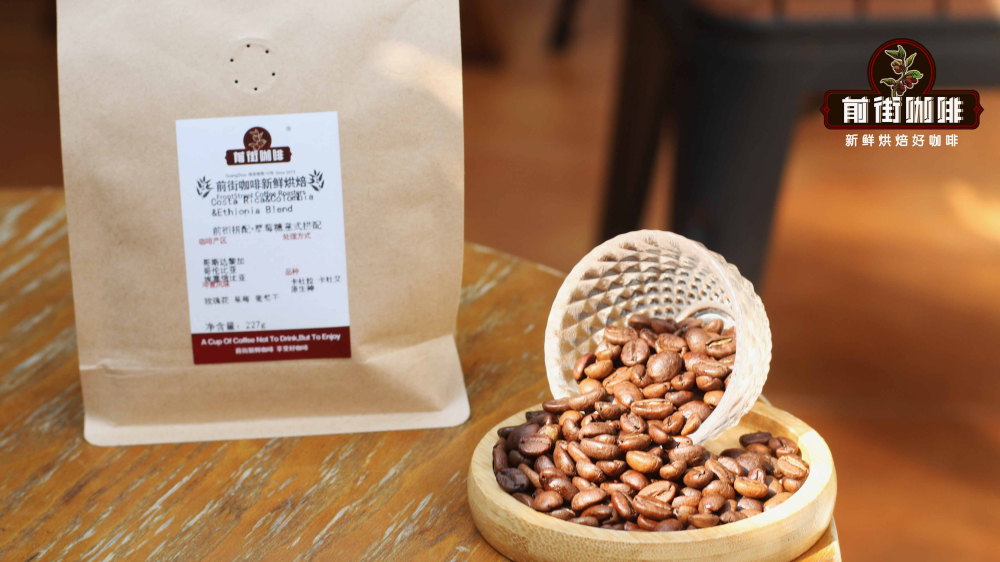
To experience high-quality floral and fruity coffee, freshness is a crucial factor. It is recommended to choose coffee beans within 5–14 days after roasting, as the flavor is most vivid during this period. At the same time, store them properly, avoiding direct sunlight and excessive ventilation; it is best to use an airtight container and keep it in a cool, dry place.
In terms of origin characteristics, coffee beans from high-altitude regions such as Africa and Central America tend to show obvious tropical fruit and floral characteristics more easily. The unique climate conditions of these regions, together with the widely used washed processing method, help preserve and highlight coffee's natural floral and fruity aromas. In particular, beans with light to medium roasts better retain these delicate flavor traits.
When tasting floral and fruity coffee, you can watch for the following common flavor characteristics: jasmine, citrus, green tea, white florals (such as gardenia and white magnolia), tropical fruits (such as passion fruit, pineapple, and mango), and berry-like sweet-tartness. These flavors may appear alone or often intertwine to form a layered taste experience.
For coffee lovers who enjoy brewing at home, pour-over, drip bags, and cold brew are all good brewing methods that can fully bring out the delicate flavors of floral and fruity coffee. It is recommended to use a water temperature of 90–94°C and a coffee-to-water ratio of 1:15–1:16, and to control the extraction time to around 2–3 minutes, which better balances the floral and fruity aromas with other flavors.

Different processing methods also have a significant impact on how floral and fruity aromas are expressed. The washed method usually brings cleaner, brighter acidity and clear floral and fruity aromas; the natural method may produce richer fruity aromas and sweetness; and honey processing falls in between, often carrying a unique caramel sweetness and moderate fruit acidity.
When choosing floral and fruity coffee beans, you can prioritize varieties from well-known origins such as Ethiopia, Kenya, Colombia, and Panama. Thanks to their exceptional natural conditions and long coffee-growing traditions, these regions often produce high-quality coffee beans with distinctive floral and fruity characteristics.
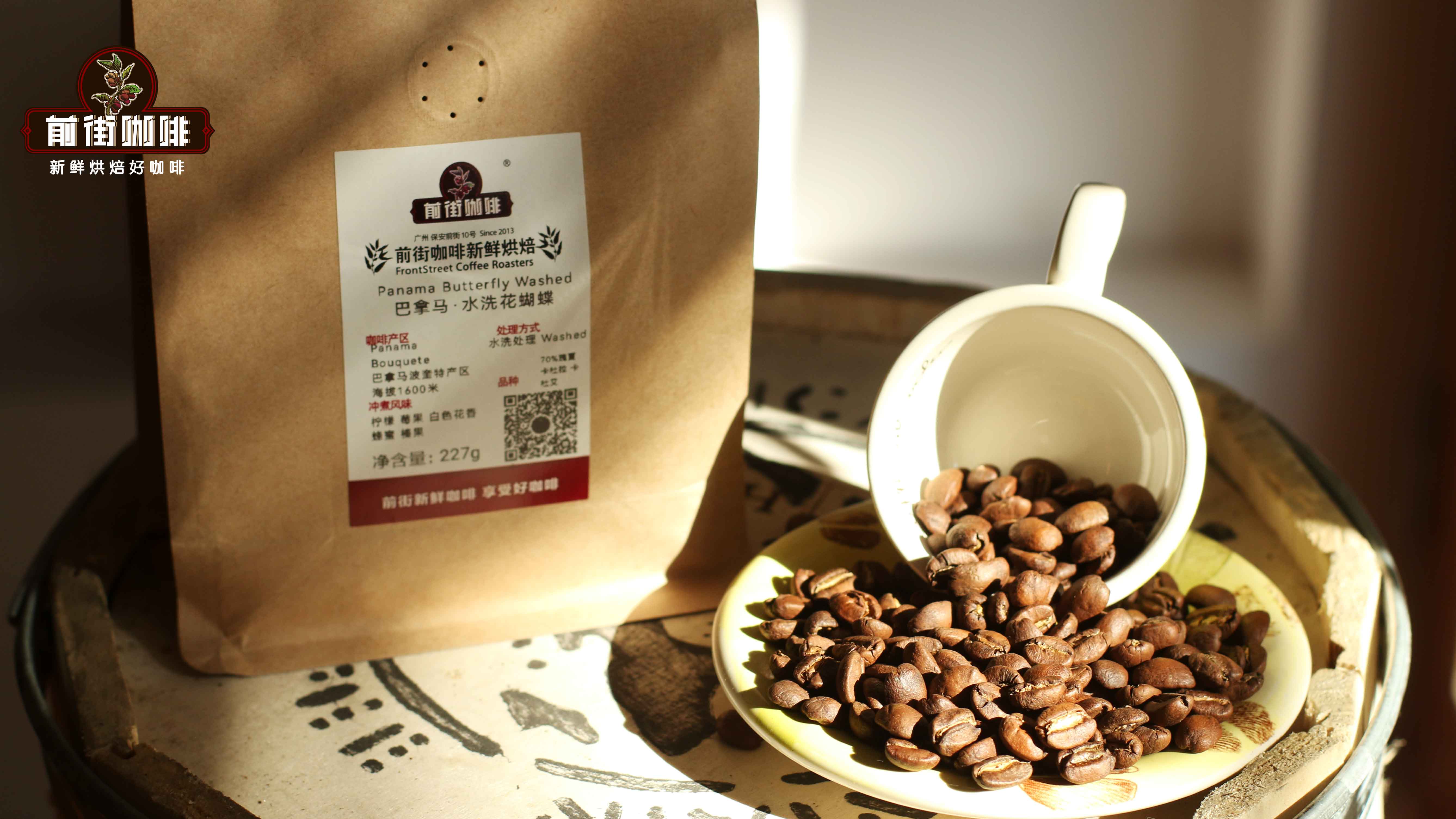
Acidity in coffee is another frequently discussed topic. High-quality coffee acidity should present as a bright, lively quality, similar to the refreshing tartness of fresh fruit, rather than an unpleasant sharpness. This acidity mainly comes from organic acids in coffee beans such as citric acid, malic acid, and quinic acid, which together with sugars and other flavor substances form coffee's complex flavor structure.
Understanding coffee's floral and fruity characteristics and the causes of acidity not only helps us better appreciate coffee's deliciousness but also guides us to make more suitable choices. Whether seeking the elegant taste of fresh floral aromas or preferring the full flavor of rich fruity aromas, understanding these basics can make the coffee-tasting journey more enjoyable and meaningful.