Sumatra Mandheling Coffee Bean Review: Espresso Performance and Pour-Over Parameters
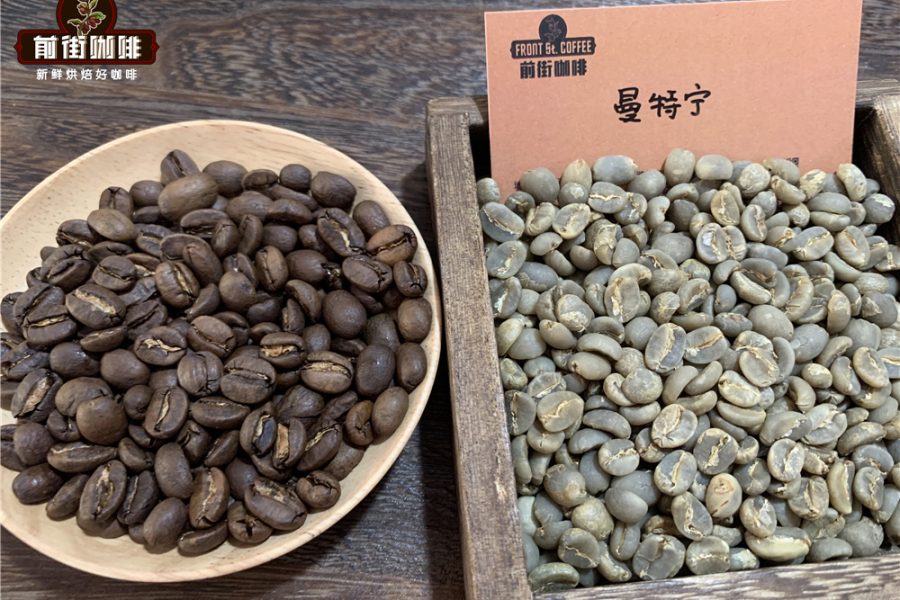
Introduction: The Indonesian island of Sumatra, with its unique geography, produces the distinctive Mandheling coffee, prized by coffee lovers for its low acidity, full body, and earthy, herbal notes. This article takes an in-depth look at Mandheling's flavor characteristics, examines how it performs as an espresso bean, and offers practical pour-over and cold brew suggestions to help you better appreciate this classic Southeast Asian coffee.
Indonesia is one of the world's important specialty coffee regions, and Sumatra is among its finest. Coffee here is known for being rich and full-bodied, low in acidity, and marked by pronounced earthy and herbal tones, with Mandheling the most representative of all. Many seasoned coffee enthusiasts regard Sumatra Mandheling as the region's top coffee, its unique flavor standing apart in the global coffee market.
Mandheling is not a place name but a term for the Mandailing people who live in northern Sumatra. The coffee takes its name from its association with the local people and is grown mainly in areas around Lake Toba such as Diari, Lin Tong Ni Huta, and Kokoa Matan. The fertile volcanic soil and stable tropical rainforest climate around Lake Toba provide ideal growing conditions for coffee.
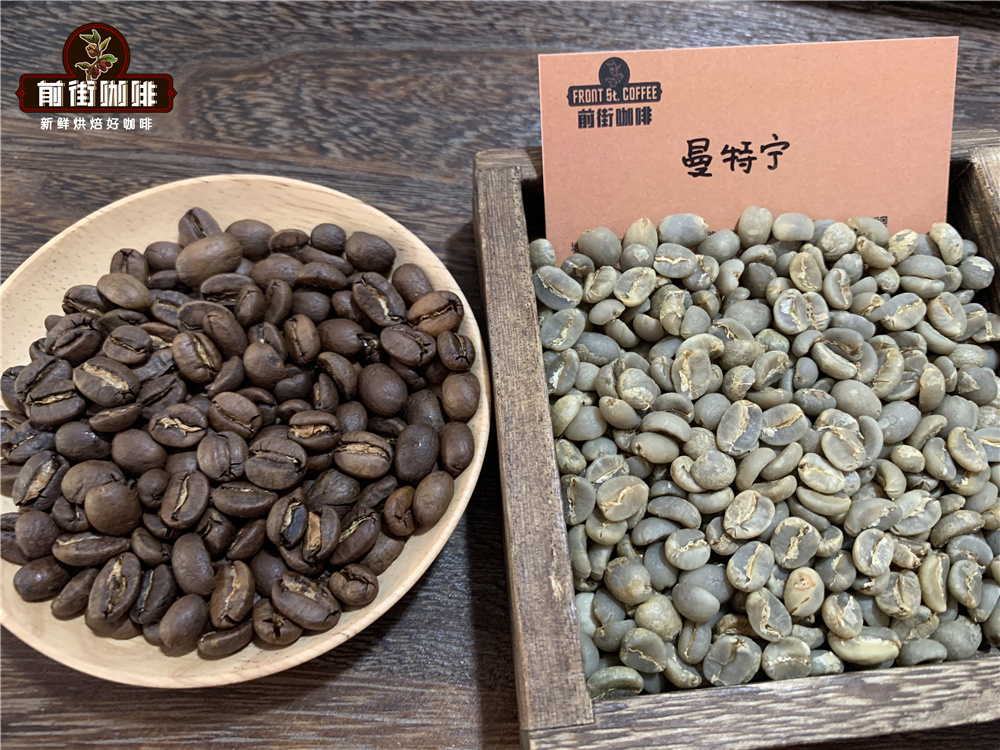
Sumatra Mandheling's flavor is highly distinctive, often described as earthy and herbal with a sweet lingering finish of licorice and chocolate. This combination is relatively rare in South American or African coffees and has become one of the hallmarks of Sumatran coffee. The local wet-hulling process (also called semi-washed) affects batch consistency to some extent, but it also gives the coffee its heavy body, low acidity, and rich layered character, which many coffee fans love.
In terms of growing elevation, Mandheling is found mainly at 2,500 to 5,000 feet (about 760 to 1,520 meters) in the central-western Padang region. Though the elevation is not especially high, the mineral richness of the volcanic soil and the humid tropical climate still allow the beans to develop a complex flavor structure. Generally, this kind of coffee suits a medium-dark roast to highlight its natural sweetness and full body.
When used for espresso, Mandheling also performs notably well. A medium-dark roast brings out chocolate and spice notes while maintaining body and low sharp acidity, so it blends well with milk in espresso or ristretto and suits milk drinks such as lattes or flat whites. With a dark roast, the bitter-sweet balance becomes more pronounced, but take care to avoid over-extraction that would mask its delicate qualities.
For those who enjoy pour-over, Mandheling is also a choice not to be missed. A medium-fine grind is recommended, with a water-to-coffee ratio of 1:15 to 1:16 and a water temperature of 90 to 93°C. A three-pour method can be used, extracting in stages to reinforce the flavor layers, typically revealing woody notes, herbal aromas, and a soft spicy finish. Note that Mandheling easily shows astringency, so control the extraction time to avoid over-extraction.
Mandheling is also very well suited to cold brew. Its full body holds up stably through long cold-water extraction, and when combined with milk or plant milk it keeps a consistent mouthfeel without being easily masked by dilution. For cold brew, a coarse grind is recommended, with a coffee-to-water ratio of 1:8 to 1:10 and a slow 12-to-16-hour extraction at low temperature, bringing out its chocolate and spice base to the fullest.
Overall, Sumatra Mandheling, with its distinctive regional flavor, solid mouthfeel, and great versatility, is a classic coffee well worth trying, whether as an everyday staple or for experimenting with different brewing methods. Understand its characteristics and adjust the brewing parameters accordingly, and you will be able to experience this coffee treasure from Sumatra, Indonesia, more fully.


