Yunnan Small-Bean Coffee Buying Guide: Varieties and Authentic Sources
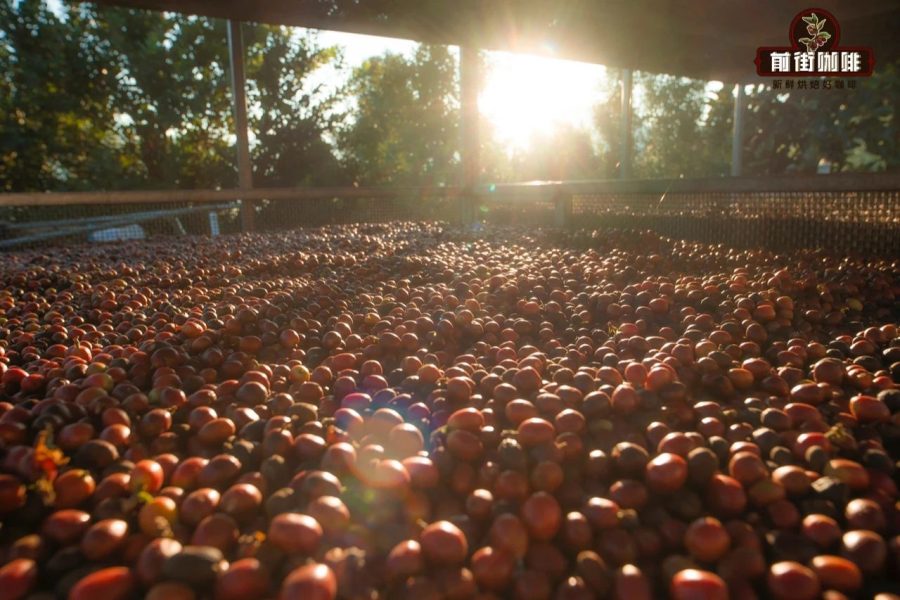
Introduction: Yunnan small-bean coffee, a representative of Chinese specialty coffee, is often confused by consumers with ordinary Yunnan beans. This article provides an in-depth analysis of its varietal origins, core production region characteristics, and key points for identifying authentic products, using field flavor data and processing method explanations to help you precisely identify high-quality small-bean coffee with excellent value, along with authoritative buying advice and brewing references.
Understanding the Essence of Yunnan Small-Bean Coffee
When Chinese domestic coffee is mentioned, Yunnan small-bean is often regarded as a signature product. Strictly speaking, it is not an independent coffee variety but a general term for specific Arabica beans from the Yunnan production region—these coffee cherries generally have a diameter of less than 12 mm, clearly distinguishing them from Hainan-grown medium-bean Robusta (average diameter 14-16 mm). Historically, the Typica and Bourbon varieties first introduced to Yunnan in the late 19th century were both classic Arabica types; cultivated at high altitudes (above 1,400 m), they developed a signature bright acidity and complex floral-fruity aroma, but their weak resistance to leaf rust and yields of only about 600 kg per mu prompted farmers to later switch to the more disease-resistant Catimor hybrid.

Variety Iteration and Terroir Shaping the Region
Catimor, a hybrid offspring of Timor and Caturra, inherited disease-resistance genes and adaptability to medium altitudes (800-1,500 m). After decades of cultivation by the Yunnan Academy of Agricultural Sciences, it has developed unique microclimate flavors in Baoshan, Pu'er, and other areas. Although this variety sacrifices some of the finesse of traditional Arabica, it has developed a full caramel sweetness and balanced citrus acidity, performing especially well under washed processing. Note that some low-priced Yunnan beans on the market are actually Robusta blends; they can be initially identified by observing bean shape (Arabica is flat and oval, Robusta is rounder) and the amount of silver skin remaining after roasting.
Four Core Elements of Authentic Purchasing
To identify authentic Yunnan small-bean coffee, key checks include: production region altitude (choose cultivation above 1,200 m), processing method (transparency of washed/natural processes), roast date (freshness directly affects flavor release), and variety labeling (clearly labeled Typica or Catimor). For beginners, we recommend first trying washed Catimor—its stable nutty notes and moderate acidity are more easily accepted by the general public; advanced enthusiasts can explore naturally processed Typica, which usually comes from high-altitude old trees (over 20 years old) and can present more complex berry and red wine aromas.

Examples of Flavor Differences Across Processing Methods
Using actual sample data as an example: Catimor at 1,200 m altitude processed with standard washed methods, after 24-hour fermentation to remove the pectin layer, ultimately presents clear melon-like sweetness (similar to a honeydew melon finish), moderate plum-like acidity (pH range 5.2-5.4), and a lingering black tea aftertaste; the recommended optimal extraction parameters are 92°C water temperature with a 1:15 coffee-to-water ratio. Naturally processed Typica, because the fruit pulp is retained throughout fermentation, accumulates more aromatic substances during the drying stage and often carries gentle sweet-tartness of dried apricot, the oily mouthfeel of roasted almonds, and a fresh green tea-like finish, better suited to low-temperature slow extraction at 90-91°C to highlight the layers.
Purchasing Channels and Freshness Assurance
For legitimate purchasing channels, prioritize SCA (Specialty Coffee Association) certified roasters; their product packaging must indicate the specific production region, harvest year (choose current-season beans, i.e., within 30 days of the roast date), and processing plant information. When buying online, check the roaster's published roasting schedule—quality merchants usually promise shipment within 48 hours after roasting and provide COE (Cup of Excellence) or third-party cupping reports as quality endorsement. Be sure to avoid buying bulk, unlabeled so-called "Yunnan specialty coffee"; over 90% of such products have undergone secondary blending and fail to meet storage standards.

Variety Matching Suggestions for Special Scenarios
Variety selection also matters for different brewing methods: pour-over enthusiasts are recommended to use medium-roasted Catimor (roast level Agtron 65-70), which clearly reveals layers when used with a V60 dripper; espresso machine users are better suited to dark-roasted Typica blends (adding 10%-15% Brazilian beans is recommended to balance body); if trying cold brew, prioritize naturally processed Typica (extending extraction time to 18-24 hours amplifies sweetness). Note that all Yunnan small-bean coffee must be stored sealed and away from light after opening, and the optimal flavor period is only 2-4 weeks after roasting.