Jamaica Blue Mountain Coffee: Wood Barrel Packaging and Grading Guide
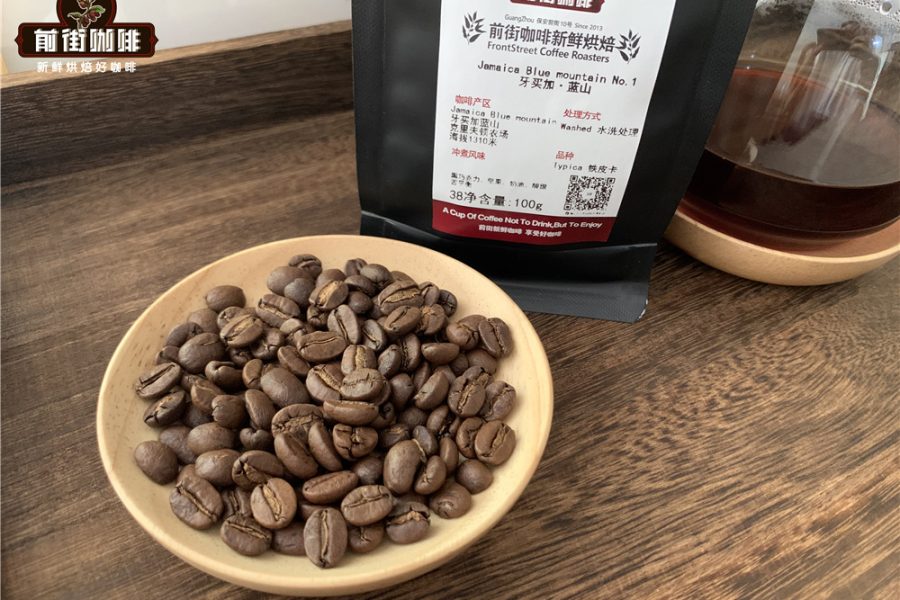
Introduction: Jamaica Blue Mountain coffee is renowned as one of the world's top specialty coffees, and its unique flavor is inseparable from strict cultivation and processing methods. This article examines the origins of Blue Mountain coffee, its traditional wood barrel packaging, and the full process from cultivation to grading, along with a professional cupping evaluation, to help you fully understand the distinctive appeal of this scarce coffee.
Jamaica Blue Mountain coffee, as the name suggests, comes from the Blue Mountain region of Jamaica, where a unique climate and geographical environment produce its outstanding quality. It is important to note that only Arabica coffee grown in the specific Blue Mountain areas of eastern Jamaica—within the three parishes of Saint Andrew, Portland, and Saint Thomas—is eligible to be called "Jamaica Blue Mountain coffee." This coffee is known not only for its rarity but also for its balanced flavor and high cleanliness, which make it a standout among specialty coffees.
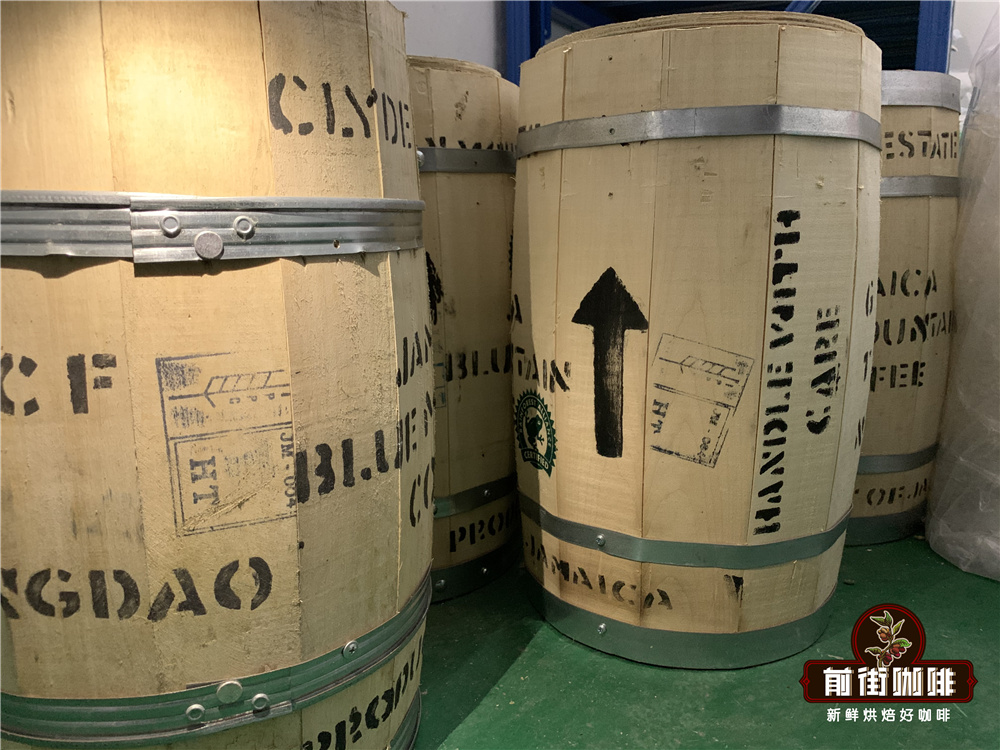
Jamaica Blue Mountain coffee is also distinctive in how it is transported. Unlike most coffee worldwide, which is shipped in burlap or woven bags, Blue Mountain coffee is packed in handmade wood barrels. This method better protects the beans from external humidity and odors during long-distance transport, thereby keeping their flavor stable and pure. These barrels commonly come in 15 kg, 30 kg, and 70 kg sizes, with the 70 kg size being the most classic.
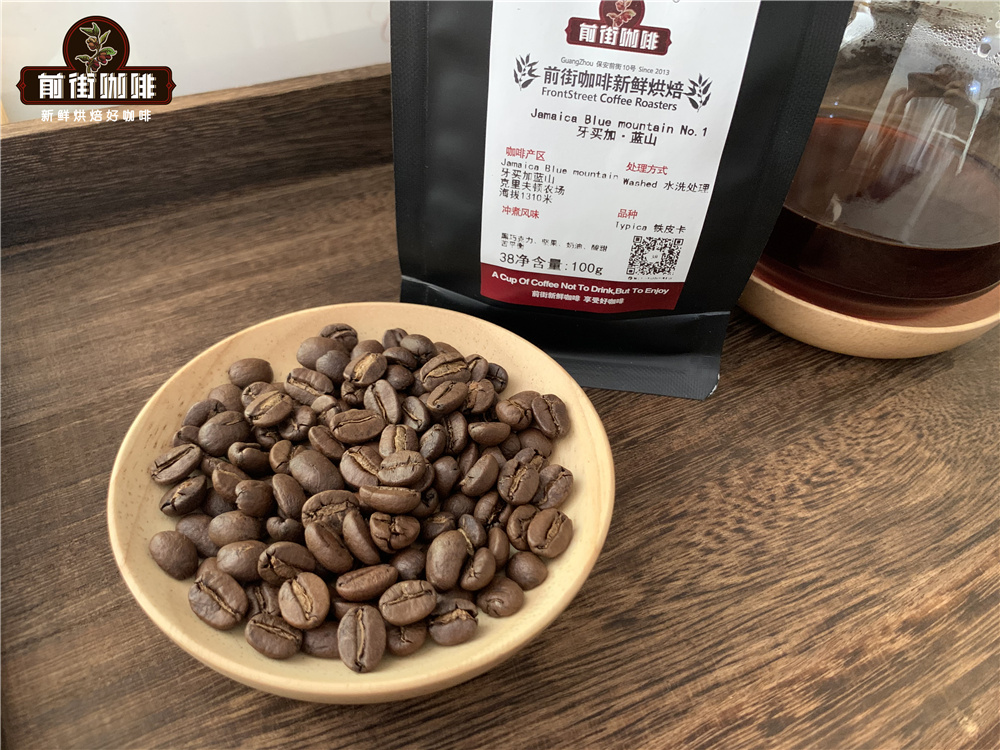
From cultivation to export, Blue Mountain coffee undergoes a series of rigorous processing steps. First, after picking, the coffee fruit is stored initially in parchment or wooden silos. Next, it is processed using a combination of sun drying and mechanical drying to ensure even moisture evaporation. Beans in parchment usually need to rest for at least eight weeks, a process called "resting," which helps flavor development. The parchment hull is then removed, and the green beans are strictly sorted and graded according to size, density, and defect rate.
During grading, beans that do not meet the standard are first screened out by size-grading equipment; generally, Grade 1 Blue Mountain beans must pass through a screen of 17 mesh (about 6.75 mm) or larger. They are then further separated by density using gravity tables, followed by multiple rounds of hand sorting to ensure the final product has a defect rate of no more than 2%. The entire process is subject to very strict temperature and humidity control, and the standard moisture content for green coffee beans is 10.5% to 11.5%; too high or too low will affect flavor performance.
In the market, Jamaica Blue Mountain coffee is mainly divided into several different grades and packaging formats. Among them, JBM Select (Blue Mountain Select coffee) is a more common type, made from a blend of Grade 1, Grade 2, and Grade 3 beans, while still retaining the overall flavor characteristics of Blue Mountain coffee. Its permitted defect rate is slightly higher, at most 4%, and the screened bean size range is 15 mesh to 18 mesh. It is usually packed in 60 kg burlap or jute bags and is suitable for bulk purchasing. The producing areas for this type of coffee are roughly: Saint Andrew 40%, Saint Thomas 30%, and Portland 30%.
Professional coffee taster Kenneth Davids once gave Blue Mountain coffee high praise, with a comprehensive score of 91 points. In blind tests, this coffee showed a sweet, soft aroma with distinct orange blossom, floral, and gentle buttery notes, and rich layers reminiscent of cream candy. On the palate, the body was light to medium, the mouthfeel smooth, sweet with slight bitterness, while clear chocolate and orange peel flavors came through. As the temperature dropped, a mint-like cooling finish gradually emerged, and the clean aftertaste with lingering chocolate and citrus notes was charming—a taste experience coffee lovers should not miss.
In summary, the value of Jamaica Blue Mountain coffee lies not only in its exceptional growing environment but also in the strict standards applied at every stage from cultivation, harvesting, and processing to transport. Its unique wood barrel packaging also preserves the coffee's original flavor to the greatest extent. It is a classic that coffee lovers and professionals seeking the ultimate coffee experience should understand in depth.


