Tanzanian Peaberry Coffee: Flavor Profile and Buying Guide vs. Kenyan Beans
Introduction: Peaberry coffee is often labeled "specialty" for its unique shape, but is its actual flavor better than regular coffee beans? This article explains how peaberries form, processing differences, and compares Tanzanian and Kenyan origins to analyze the real performance of peaberry coffee, and offers professional roasting advice to help you choose the right beans for your brewing method.
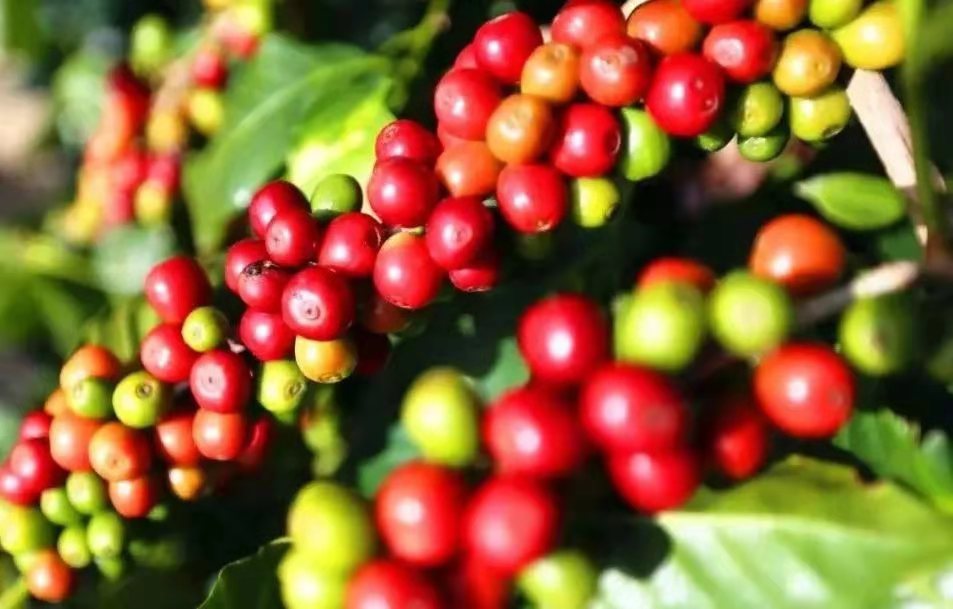
Coffee beans are actually the seeds of the coffee fruit. Normally each fruit contains two flat seeds that press against each other to form flat sides. But about 5%-10% of coffee fruits mutate and develop only a single round seed—this is peaberry coffee. Lacking the pressure of an adjacent seed, the seed naturally grows into a round shape resembling a pea, hence the name.
Peaberry formation is related to the plant's pollination mechanism. When the pistil's ovary of the coffee flower is not fully pollinated, a fruit with a single seed may develop. Although this phenomenon is a developmental abnormality in nature, through long-term selection, peaberries from some regions have instead become specialty products.
Regarding the flavor advantages of peaberry coffee, early views held that it concentrated the nutrients of the whole fruit and could present a richer mouthfeel. But modern coffee science shows that flavor quality mainly depends on growing altitude, processing method, and variety characteristics. Peaberries grown in Tanzania's volcanic soil often carry bright citrus notes, while Kenyan beans are known for their vivid berry acidity; the difference between the two is far greater than the contrast between peaberry and flat beans.
Professional roasters need to pay special attention when handling peaberry coffee: its round structure makes heat conduction about 15% more efficient than flat beans, so it is recommended to start roasting at a drum temperature 5-8°C lower than for regular beans. Slow roasting over medium-low heat (a development period of 14-16 minutes is recommended) better preserves aromatic acidity and prevents the surface from scorching too quickly. For pour-over, use water at 90-93°C and grind about 10% finer than flat beans from the same region to highlight its lively juicy character.
The commonly seen Kenyan AA/AB grading has no direct connection to peaberry coffee; that grading is based solely on bean size. Tanzanian peaberries are mostly mixed into regular lots and sold separately after manual screening. Notably, an excessively high proportion of peaberries may reflect problems in farm management; healthy coffee trees usually produce more than 90% flat beans.
In terms of flavor, high-quality Tanzanian peaberries often show a black tea finish and honey sweetness, with bright but not sharp acidity; Kenyan peaberries continue the region's characteristic tomato acidity and blackcurrant flavors, with slightly fuller body than flat beans. For brewers who prefer fruity acidity, choose light-to-medium roasted Tanzanian beans; for a balanced mouthfeel, try medium-dark roasted Kenyan peaberry lots.