Jamaican Blue Mountain Coffee Buying Guide: 5 Key Truths and Flavor Analysis
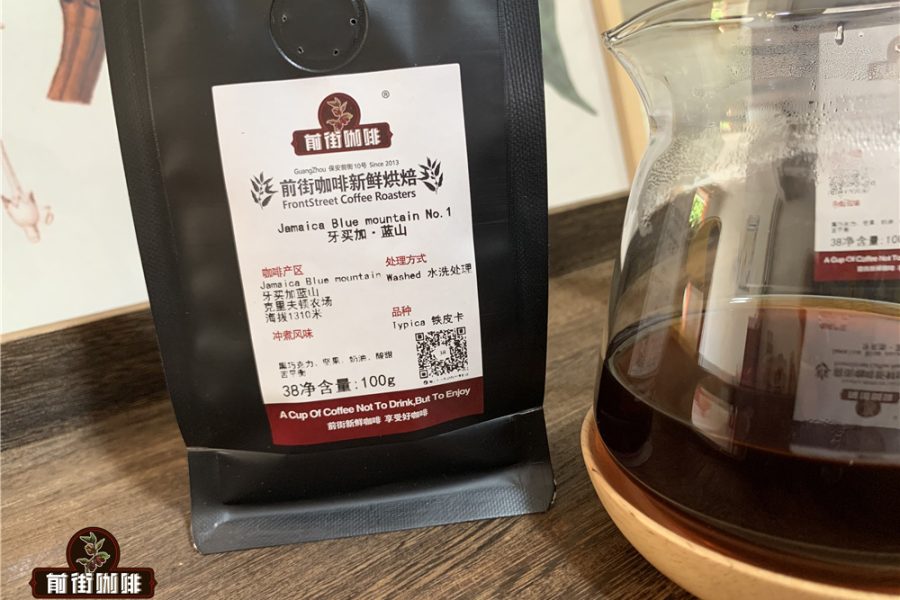
Introduction: Known as the 'king of coffee,' Jamaican Blue Mountain coffee is famous worldwide for its rich, smooth taste and unique growing environment. But the market is flooded with products that blur the concepts, and consumers can easily buy counterfeits or low-quality blended beans if they are not careful. This article takes a deep look at the core characteristics of Blue Mountain coffee, the correct certification standards, and the key points for avoiding pitfalls when buying, to help you accurately identify genuine top-grade Blue Mountain flavor and understand the secret behind its rarity.
As the 'white moonlight' in the hearts of coffee lovers worldwide, Jamaican Blue Mountain coffee, with its balanced, mellow taste and unique growing environment, has always sat at the top of the specialty coffee hierarchy. But few people know that not all coffee produced in Jamaica can bear the name 'Blue Mountain'—this small producing region hides too many details that are easily overlooked.
What truly deserves attention is the strict certification system set by the Jamaica Coffee Industry Board. Only coffee beans that strictly meet the altitude (910-1700 meters), microclimate (volcanic soil + day-night temperature difference) and cultivation standards, and pass inspection by the official body, are eligible for the 'Blue Mountain Coffee' certification label. This standard directly determines the flavor profile: silky smooth on entry, with almost no sharp bitterness, bright citrus acidity interwoven with soft nutty notes, and a finish of light cream chocolate and herbal aroma—rich in layers yet harmonious and unified overall.
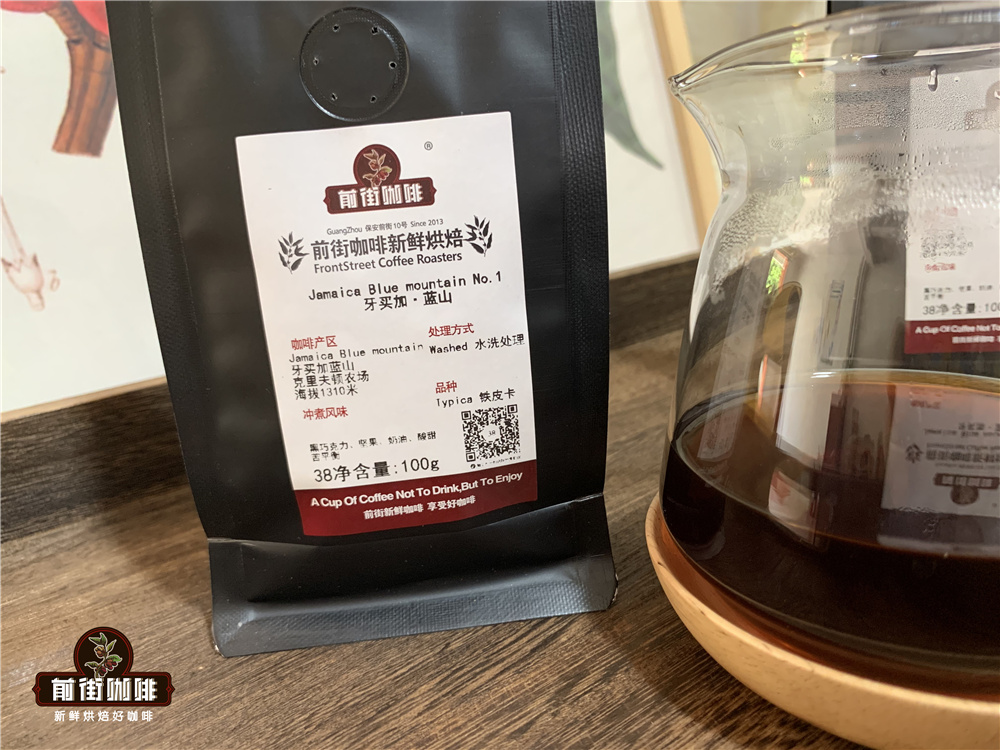
First, it must be made clear that although Jamaica is known for high-quality coffee, most products circulating on the market are not Blue Mountain coffee. The region actually contains three major sections: Blue Mountain, High Mountain and ordinary growing areas, and only the coffee beans produced in the Blue Mountain area (about 900 hectares) at the highest altitude and with the most limited area can be called genuine. If the packaging does not clearly mark 'Blue Mountain' and a certification number, it can basically be judged as Jamaican coffee of another grade.
Even more vigilance is needed against the 'Blue Mountain blend' that floods the market. These products usually contain no more than 10% authentic Blue Mountain beans, with the rest mixed with ordinary commercial beans or low-altitude Arabica beans, and the price is raised through marketing talk. Actual comparison shows that blended beans have a much thinner flavor—the original delicate sweet-acid balance is diluted, replaced by a flat caramel taste and excessive roastiness, with extremely low value for money. More ironically, the price of such blends is often close to or even higher than the retail price of pure Blue Mountain coffee.
The scarcity and freshness of the place of origin are equally key. Blue Mountain coffee has an annual output of only about 800 tons, most of which goes directly to traditional markets such as Japan, and the amount flowing into the domestic market is extremely limited. The window from picking to roasting is very short, so it is advisable to choose beans with a roast date within 1-2 weeks and to finish drinking them within 2 weeks of opening. Roasted Blue Mountain beans gradually lose volatile aromatic substances, and beans stored for more than 1 month will have a greatly reduced flavor even if labeled 'genuine.'
Price is always an important indicator for judging authenticity. Due to manual picking, strict quality control and transportation cost constraints, the reasonable price of pure Blue Mountain coffee is usually 800-1500 RMB per pound (green beans) or higher, and the retail price of roasted beans generally exceeds 200 RMB/200g. If you come across 'Blue Mountain coffee' priced below 100 RMB/200g, it is most likely expired blended beans, low-end counterfeits, or uncertified products circulated through illegal channels.
The rampant counterfeiting is directly related to packaging fraud. Unscrupulous merchants often confuse consumers by imitating official certification marks, tampering with origin information, and even forging all-English labels. The most direct way to identify authenticity is to look at the price logic—if the price of a certain 'Blue Mountain coffee' is clearly lower than the market average, or the merchant cannot provide clear certification certificates and traceability information, you need to be especially cautious. Remember: genuine Blue Mountain coffee never appears in the form of 'low-price promotions.'


