Jamaican Blue Mountain Pour-Over Guide: 1:13 Ratio and Three-Stage Extraction
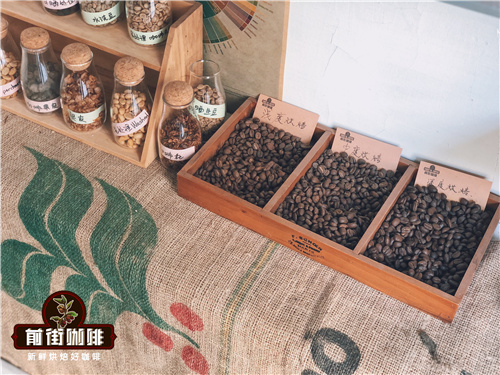
Introduction: As a globally recognized top-tier coffee bean, Jamaican Blue Mountain coffee's unique flavor and precise brewing requirements deter many enthusiasts. This article details the origin grading standards for authentic Blue Mountain coffee, explains the characteristics of the Typica variety, and provides a verified 1:13 golden coffee-to-water ratio, 88°C water temperature, and three-stage pouring scheme. Through illustrated step-by-step instructions, it helps you recreate Blue Mountain's signature balanced, mellow taste at home and avoid common brewing mistakes.
Walking into a specialty café's bean menu area, Jamaican Blue Mountain coffee is always displayed in a prominent position. This bean, hailed as the "King of Coffee," is precious not only because of its scarce yield but also because of its strict geographical indication system. True Blue Mountain coffee must come from the Blue Mountain range in Jamaica at elevations of 1,000–1,700 meters; beans grown between 500 and 1,000 meters can only be called High Mountain coffee, while those below 500 meters are classified as ordinary Prime coffee.

Brewing Blue Mountain coffee by hand at home looks simple but actually requires precise control of three core parameters: grind size, water temperature, and flow rate. Compared with ordinary coffee beans, the Typica variety of Blue Mountain coffee has a delicate acidity structure; over-extraction leads to sharp, abrupt sourness, while under-extraction fails to reveal its signature nutty-chocolate finish. Beginners are advised to start with basic equipment and focus on the coordination of coffee-to-water ratio and pouring rhythm.
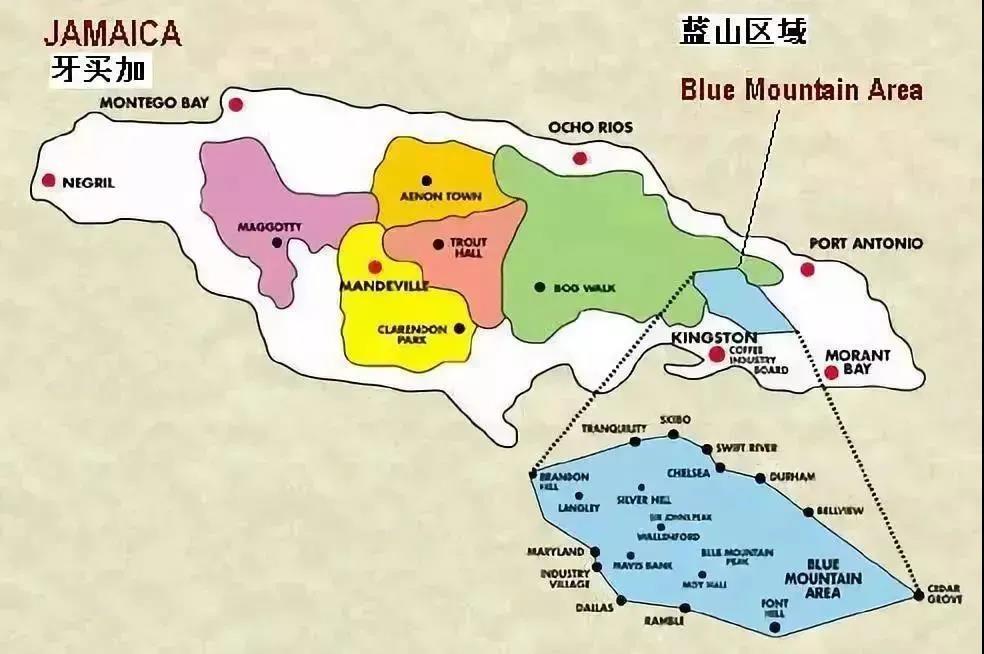
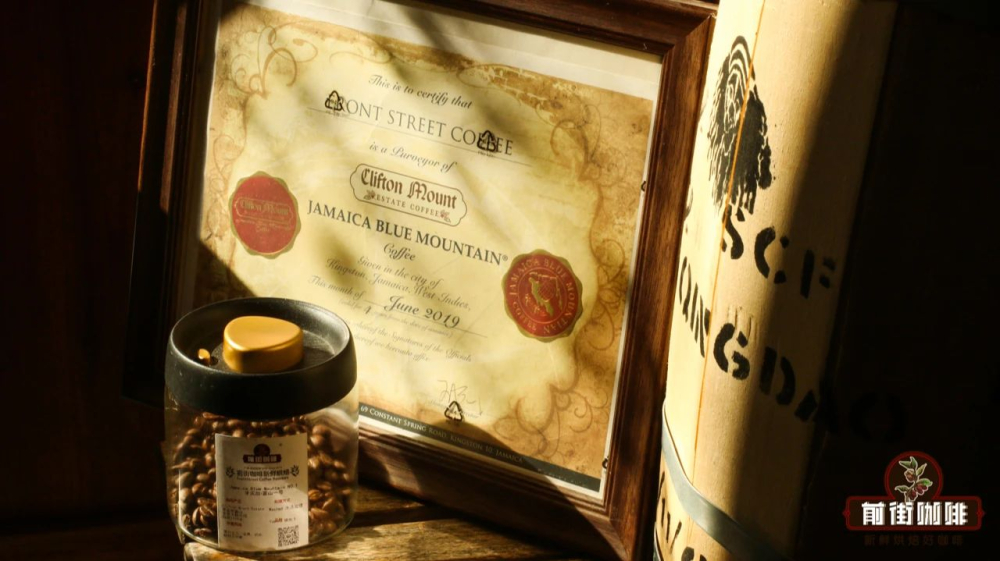
In Blue Mountain growing areas represented by Clifton Farm, coffee trees grow on steep slopes covered with volcanic soil. The Typica variety here has been optimized over centuries, forming a unique flavor matrix—bright citrus acidity, a dense body, and multi-layered sweetness. When identifying authenticity, pay attention to the Jamaica Coffee Industry Board certification mark on the wooden barrel packaging and the accompanying rainforest frog anti-counterfeiting logo.
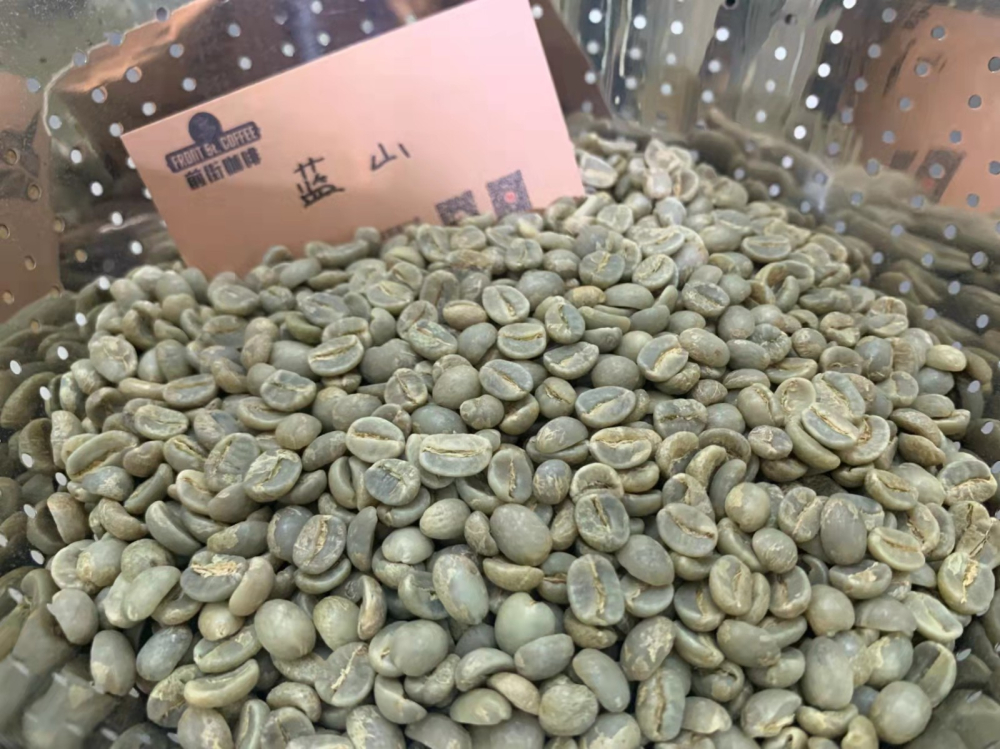
The common "Blue Mountain flavor coffee" on the market is actually unrelated to authentic Blue Mountain; such blends usually contain only 30%–60% Blue Mountain beans, with the rest simulating the flavor through special roasting techniques. True single-origin Blue Mountain coffee should display the complete terroir characteristics of the region, from the gentle floral notes of the first sip to the caramel finish, with each stage of flavor transition clearly distinguishable.
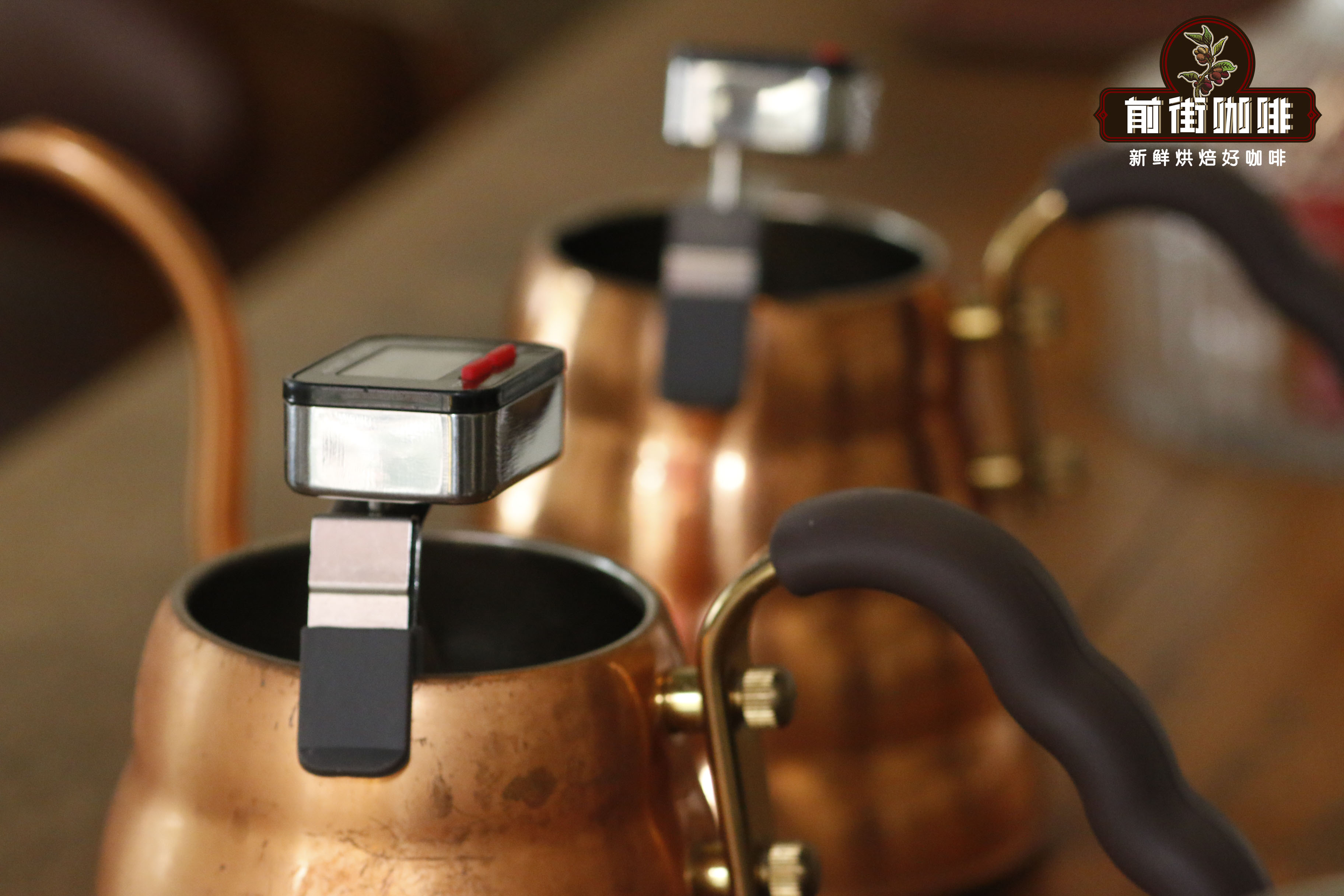
A professional pour-over scheme recommends a 1:13 coffee-to-water ratio (for example, 15 grams of coffee to 195 milliliters of water), paired with a medium-dark roast grind at 60% passing a No. 20 sieve. Compared with the 92°C or higher temperatures required for light roasts, Blue Mountain coffee is better suited to a water temperature of 88±1°C, which fully releases mellow substances while avoiding the risk of bitterness from high heat. As for the dripper, the ribbed structure of the KONO dripper effectively slows the flow rate, making it particularly suitable for Blue Mountain beans that pursue balanced extraction.
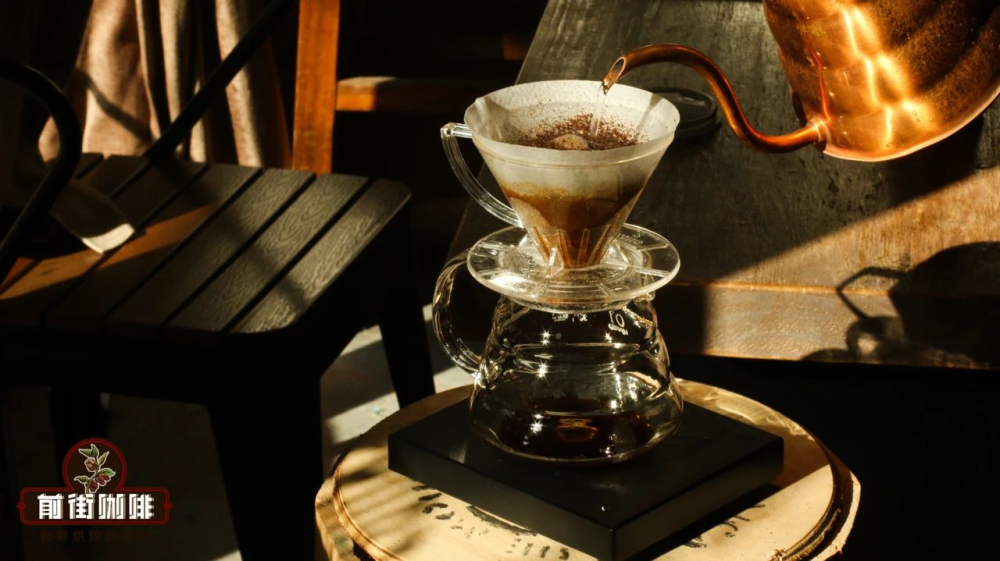
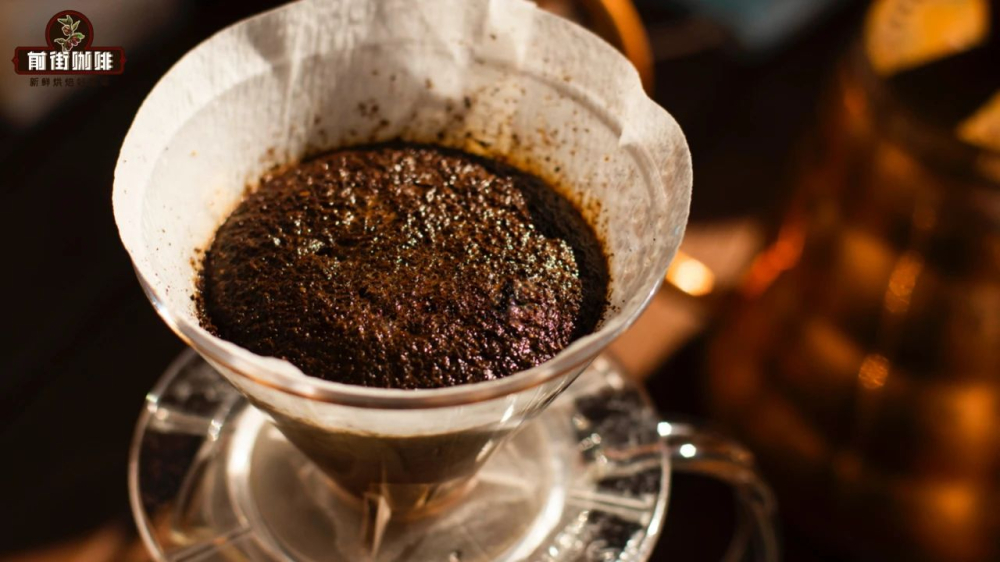
For the practical stage, the three-stage pouring method is recommended: first, use a smaller-diameter stream for a 30-gram pre-infusion (completed in about 10 seconds); this step allows the coffee grounds to degas evenly. After a 20-second interval, pour 100 grams of water in circles from the center of the dripper outward (bringing the total to 130 grams), keeping the stream height steady at about 15 centimeters. In the final stage, add water to 195 grams, with the entire extraction controlled within 2 minutes 30 seconds. Watch the descent of the coffee bed; when obvious cracks appear, stop pouring immediately.
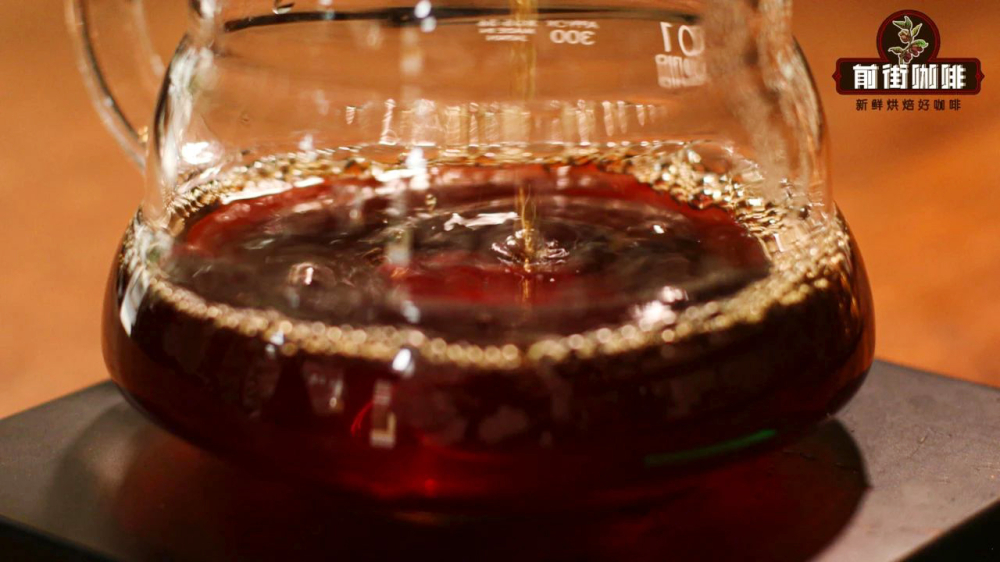
After pouring is complete, gently swirl the server to fully blend the coffee. High-quality Blue Mountain coffee should present a honey-like smooth texture; the first sip brings a gentle malic acidity, the mid-palate shifts to a complex aroma of roasted almonds and dark chocolate, and the finish carries a lasting brown sugar sweetness. If noticeable astringency or prominent tannins appear, it is usually related to grinding too fine or water temperature too high, and you can adjust the parameters and try again.
Mastering the essence of brewing Blue Mountain coffee requires repeated practice; it is advisable to record the water temperature, time, and taste changes each time. Note that different batches of Blue Mountain beans may show flavor fluctuations due to microclimate differences, and flexible parameter adjustment is more important than strictly following fixed numbers. Once your flow control reaches a stable state, you will be able to capture the unique charm of this "king of coffee" more precisely.


