Jamaica Blue Mountain No.1 Coffee Price Analysis and Authenticity Guide
Introduction: Jamaica Blue Mountain coffee is known as one of the most expensive coffees in the world, but low-priced Blue Mountain products on the market often raise authenticity disputes. This article provides an in-depth analysis of the authentic source, price composition, and flavor characteristics of Blue Mountain No.1 coffee beans, reveals the historical background of Japan's priority procurement rights, and offers professional-level authentication methods and pour-over parameter suggestions to help coffee enthusiasts make rational purchases.
In consumers' minds, Blue Mountain coffee is always associated with "high price," and when encountering an unusually low-priced "Jamaica Blue Mountain No.1," doubts about its authenticity are inevitable. In fact, there has long been a phenomenon in the market of passing off "Blue Mountain flavor blend beans" as genuine products—these mixed beans, which simulate the taste of Blue Mountain through dark roasting, became prevalent as early as the period when Blue Mountain coffee was scarce. The current termination of Japan's priority procurement rights and the establishment of domestic direct supply channels have indeed contributed to a drop in the price of genuine Blue Mountain coffee, but the scarcity of the core production area remains unchanged.
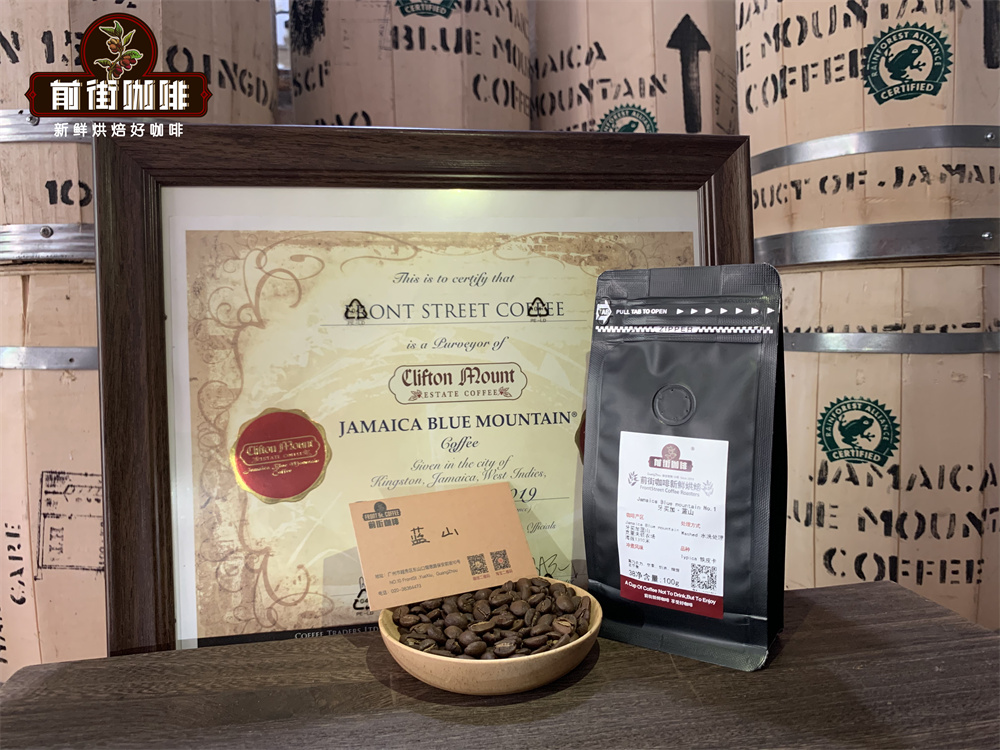
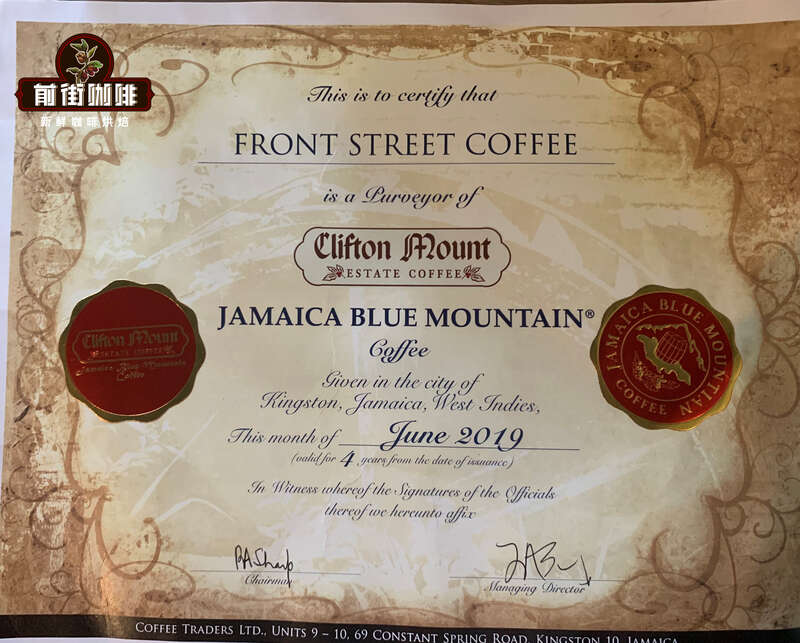
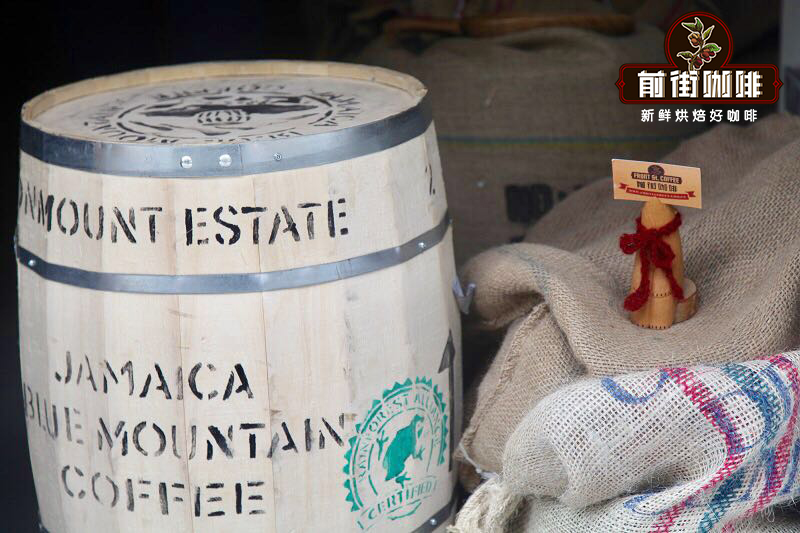
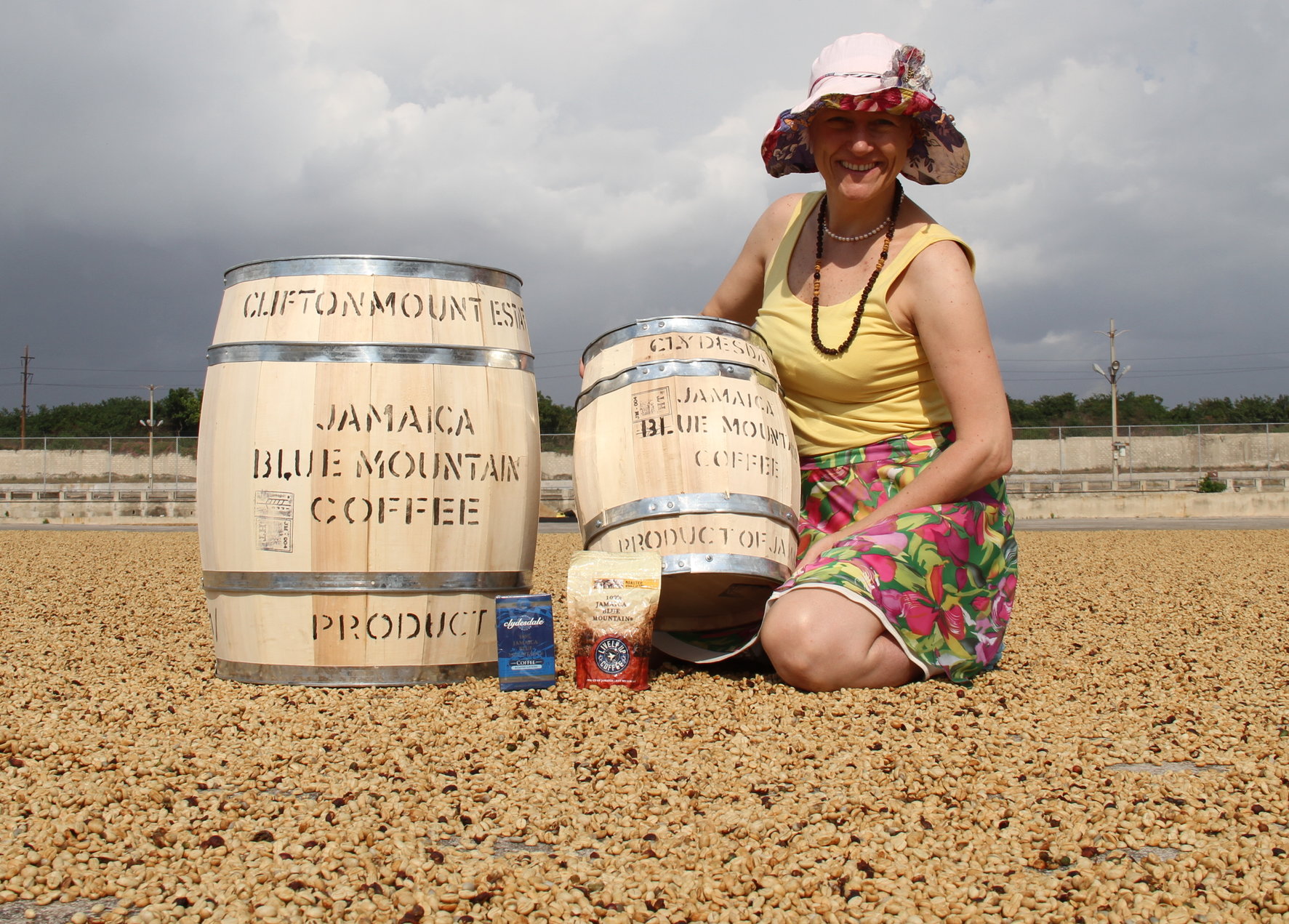
To distinguish genuine Blue Mountain No.1, three core elements must be considered: first, authentic products must come with a quality certificate issued by the Jamaica Coffee Industry Board (CIB), which is the only official certification document in the world; second, the original green beans are packaged in Jamaica's unique wooden barrels, usually bearing a rainforest certification logo (such as the green frog symbol); finally, genuine Blue Mountain coffee has a unique flavor balance—the three tastes of acidity, bitterness, and sweetness are harmonious, with no single flavor dominating, and no astringency or off-flavors. It is worth noting that currently only 6,000 hectares of the Blue Mountain core production area worldwide can produce NO.1 grade coffee beans, with an annual output of less than 1,000 tons.
The legend of Jamaica Blue Mountain coffee began in the 18th century. King Louis XV of France promoted coffee cultivation on the island, but the real foundation of the industry was laid by Arabica seeds introduced in 1728. The special geographical environment of the Blue Mountain range creates unique growing conditions: this highest peak in the Caribbean (2,256 meters above sea level) is shrouded in moist sea mist all year round, with an average annual rainfall of 1,980 mm and a constant temperature of 27°C, plus mineral-rich volcanic soil, forming the world's most ideal microclimate for coffee growth.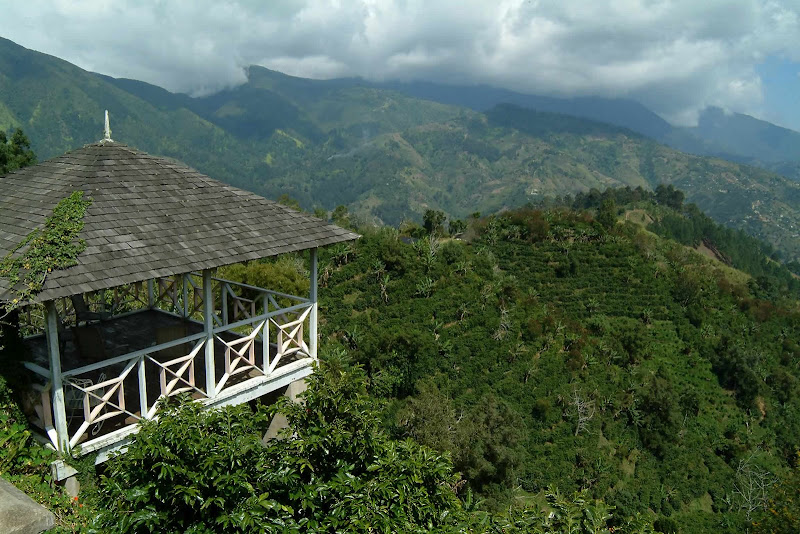
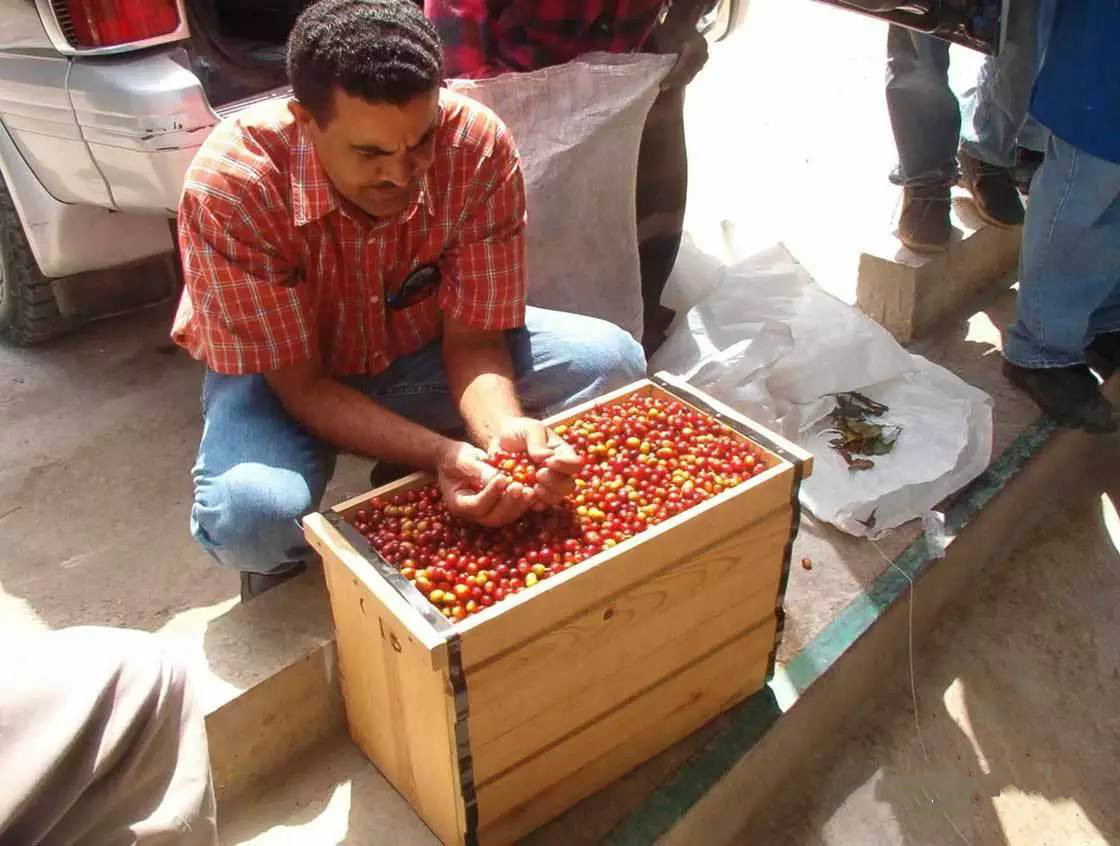
Coffee trees in the Blue Mountain region are mostly planted on steep slopes, and harvesting relies entirely on skilled female workers manually. Because the ripeness of coffee cherries varies significantly, pickers need to accurately judge the best harvest time for each fruit—picking too early leads to acidity and astringency, while overripe fruits result in a flat flavor. This rigorous manual selection process is an important guarantee of the consistent quality of Blue Mountain coffee.
Blue Mountain No.1 coffee beans are of the Typica variety, with their oval, slender pointed bean shape and bronze-colored top leaves being highly recognizable. The traditional processing method is mainly washed: the mucilage layer is removed through 12-18 hours of fermentation, then rinsed with running water to a moisture content of 50%, and finally dried in the shade to 12-14% moisture content. Since 2020, the production area has experimented with natural processing, but the washed method remains mainstream—this process better preserves the signature sweet, mellow mouthfeel and mild acidity of Blue Mountain coffee.
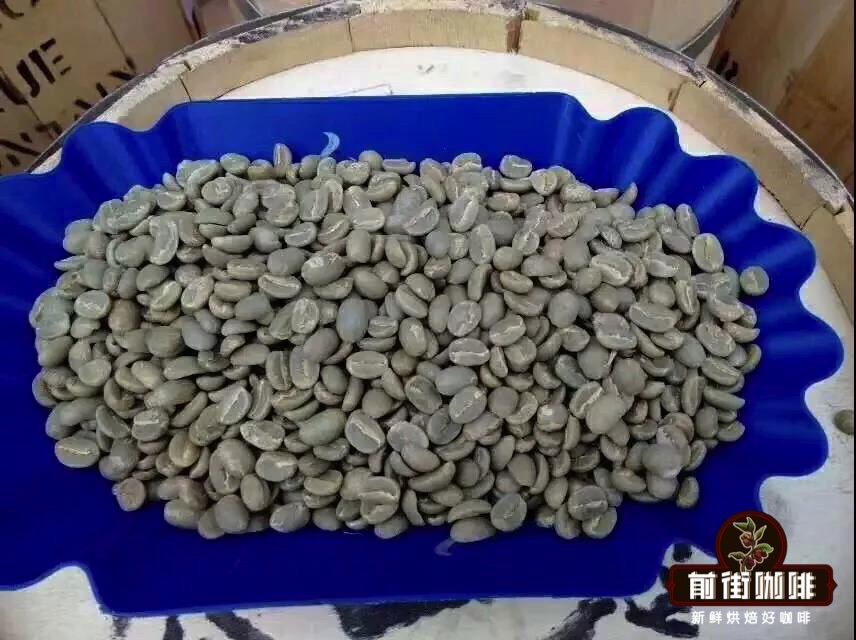
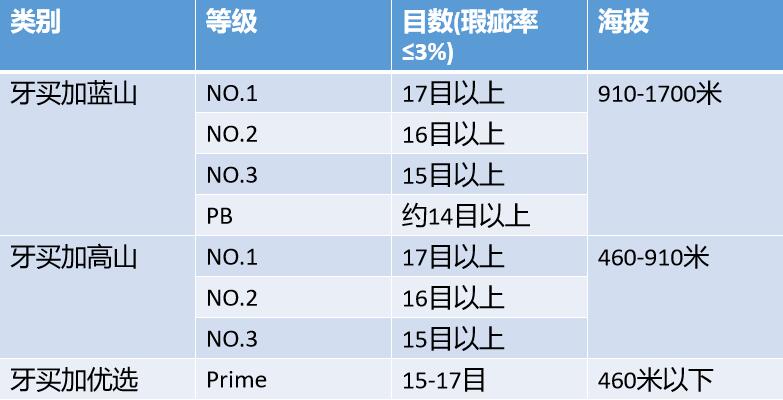
Blue Mountain coffee is divided into three major production areas by altitude: Saint Andrew, Portland, and Saint Thomas, with the NO.1 grade beans produced above 2,200 feet (about 670 meters) accounting for the highest proportion. The grading standards set by the Jamaica Coffee Industry Board (CIB) are extremely strict: NO.1 requires bean size of 17 screen or above, defect rate below 3%, and each batch must pass spot checks by professional institutions. The common "Blue Mountain blend" on the market actually contains High Mountain coffee (666-1,200 meters) and ordinary Jamaican coffee (low-altitude areas), and the price difference between the two can be up to ten times.
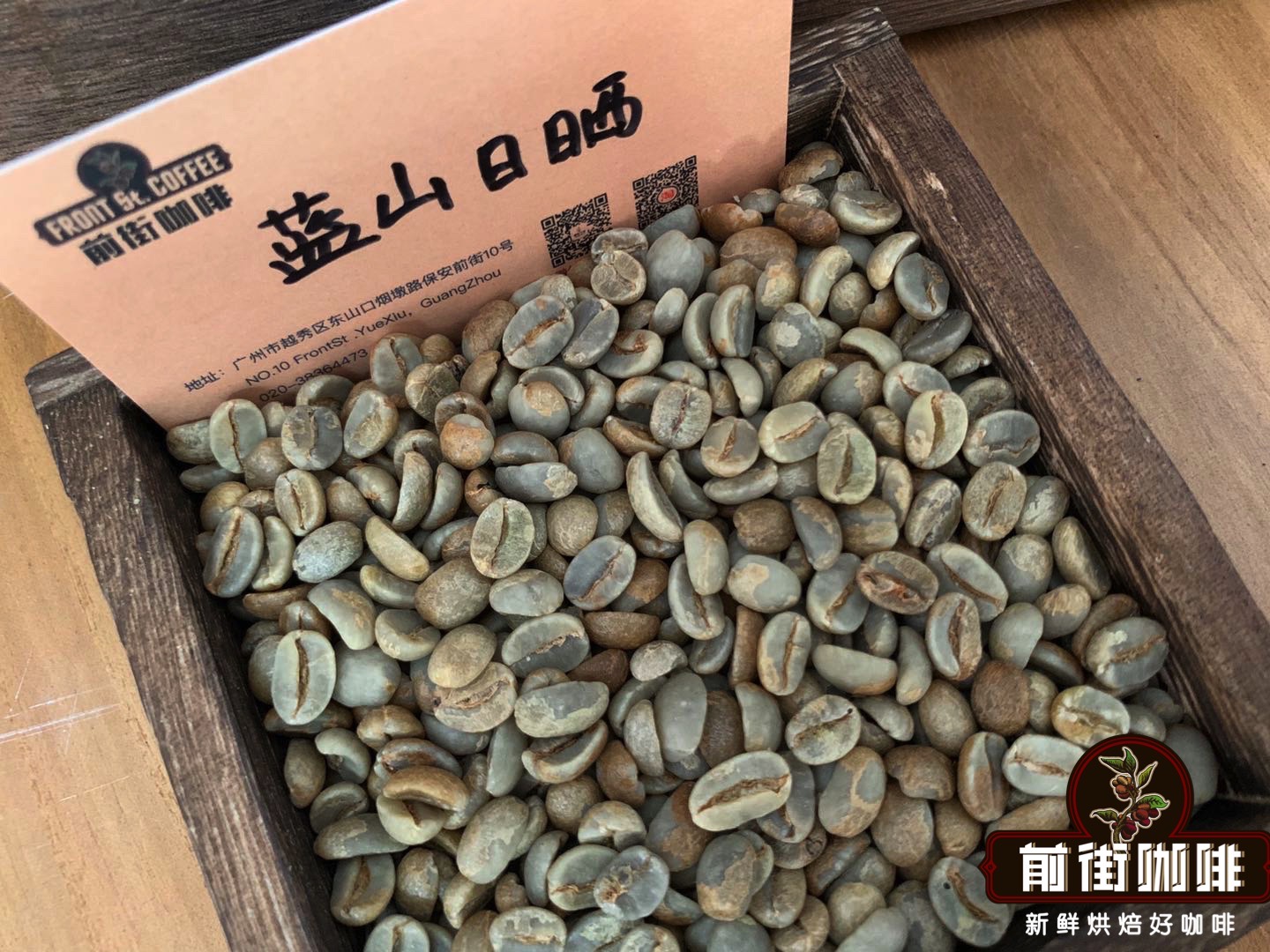
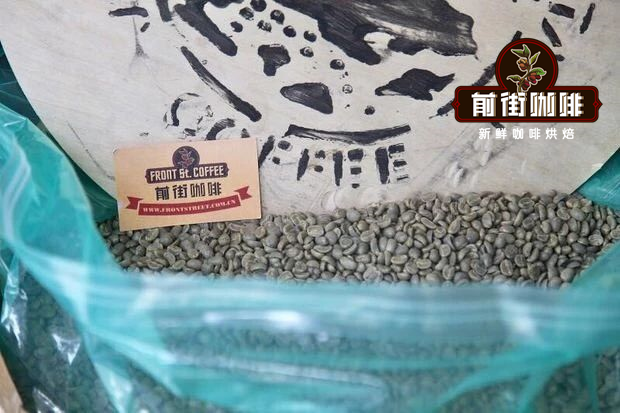
Japan once monopolized 85% of the Blue Mountain coffee quota for a long time, a special treatment stemming from a loan assistance agreement in the 1950s. The current global consumption landscape has changed—China has become one of the largest importing countries, but most of the low-priced Blue Mountain products circulating in the market are parallel imports or flavor blends. To identify genuine products, note: genuine green beans are blue-green and plump, with a significant expansion rate after roasting; when grinding, the sound of cell walls breaking is crisp and continuous; after brewing, the aroma has layers, and the entry presents a clear sweetness-dominated characteristic.
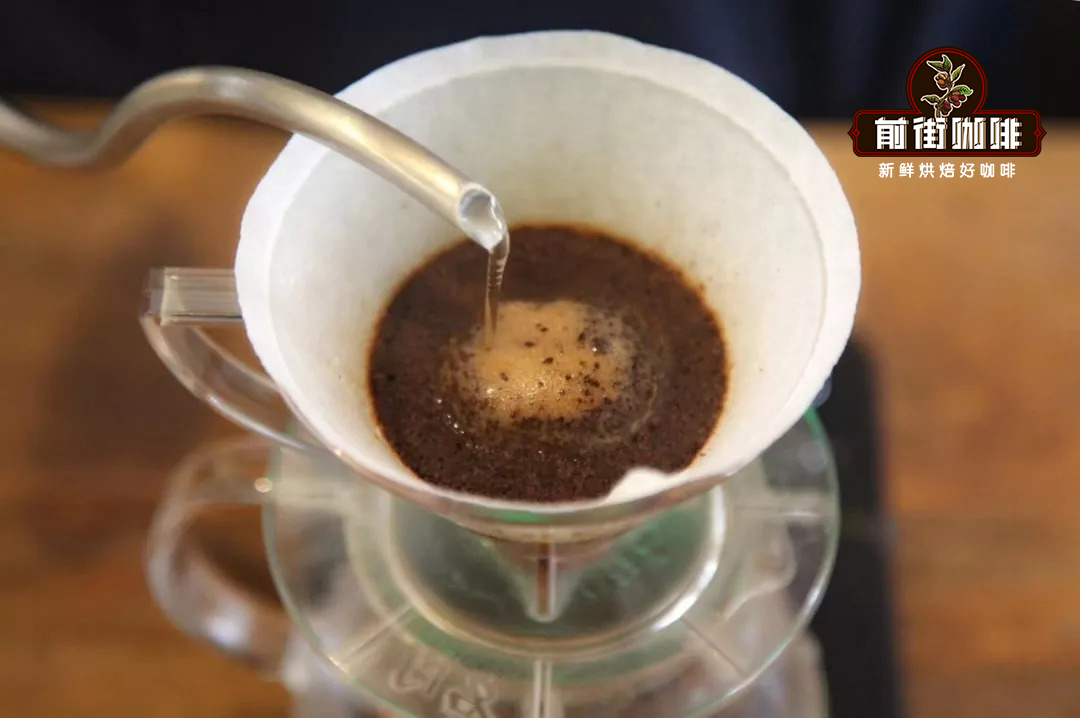
For professional brewing, it is recommended to use a medium-coarse grind (65% passing rate through a No. 20 sieve), with a water temperature of 86°C and a 1:15 coffee-to-water ratio. It is recommended to use a Kono dripper to control the flow rate: after blooming with 30g of water for 30 seconds, pour in two stages to a total of 225g, with a total extraction time of 2 minutes. This parameter combination effectively balances the body and bright acidity of Blue Mountain coffee, showcasing its distinctive nutty and caramel finish.
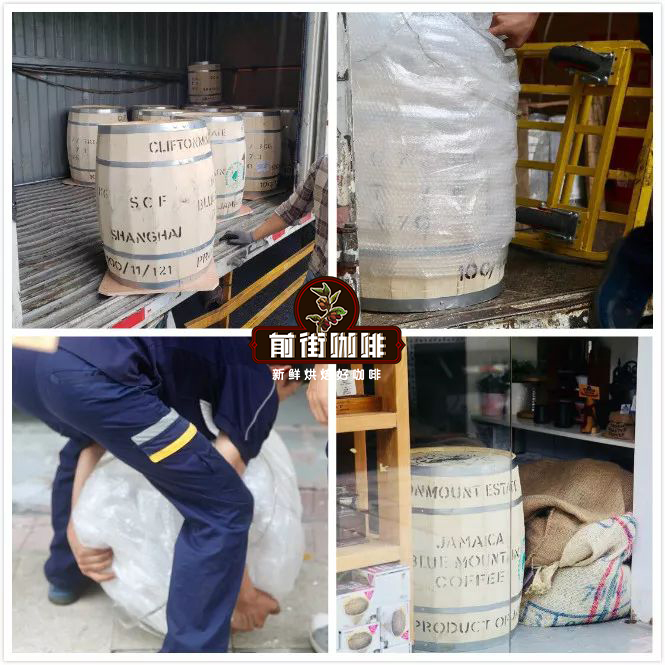
Consumers must look for three certificates when purchasing: the quality certificate issued by the Jamaica Coffee Industry Board, the sales license document of the authorized distributor, and the certificate of origin. The wooden barrel packaging of genuine products should remain fully sealed, and the desiccant inside must meet international food transport standards. For products with prices significantly lower than the market, extra vigilance regarding authenticity is required—the reasonable retail price of genuine Blue Mountain No.1 is typically above US$200 per pound (approximately RMB 1,400 per 227g).