Guatemala's Five Specialty Coffee Regions: Flavor and Growing Guide
Introduction: Guatemala's diverse microclimates and volcanic soils produce world-renowned specialty coffee. This article takes an in-depth look at the differences in altitude, climate, and harvest season among five core regions including Antigua and Huehuetenango, and explains the flavor characteristics of varieties such as Typica and Geisha, helping you choose the coffee beans you will love.
Guatemala's coffee-growing history is inseparable from its volcanic landscape, and its five most representative regions—Antigua, Huehuetenango, Cobán, Volcán San Marcos, and Acatenango—each have their own distinct terroir. These regions not only produce coffees with vivid flavors but also, through differences in altitude, rainfall, and soil, form a treasure trove for coffee lovers exploring flavor diversity.
Located around Guatemala's former capital, the Antigua region is a valley surrounded by three volcanoes that gives it fertile volcanic soil. Coffee is grown at altitudes of 1,400–1,700 meters (originally 4,600–5,600 feet), with an average annual temperature of 19–22°C and annual rainfall of 800–1,200 mm. The stable alternation of dry and wet seasons allows the coffee cherries to ripen evenly, with the best harvest period from January to mid-March. This region strictly selects SHB (Strictly Hard Bean) grade coffee, whose flavor often shows nutty and chocolate base notes with moderate acidity.
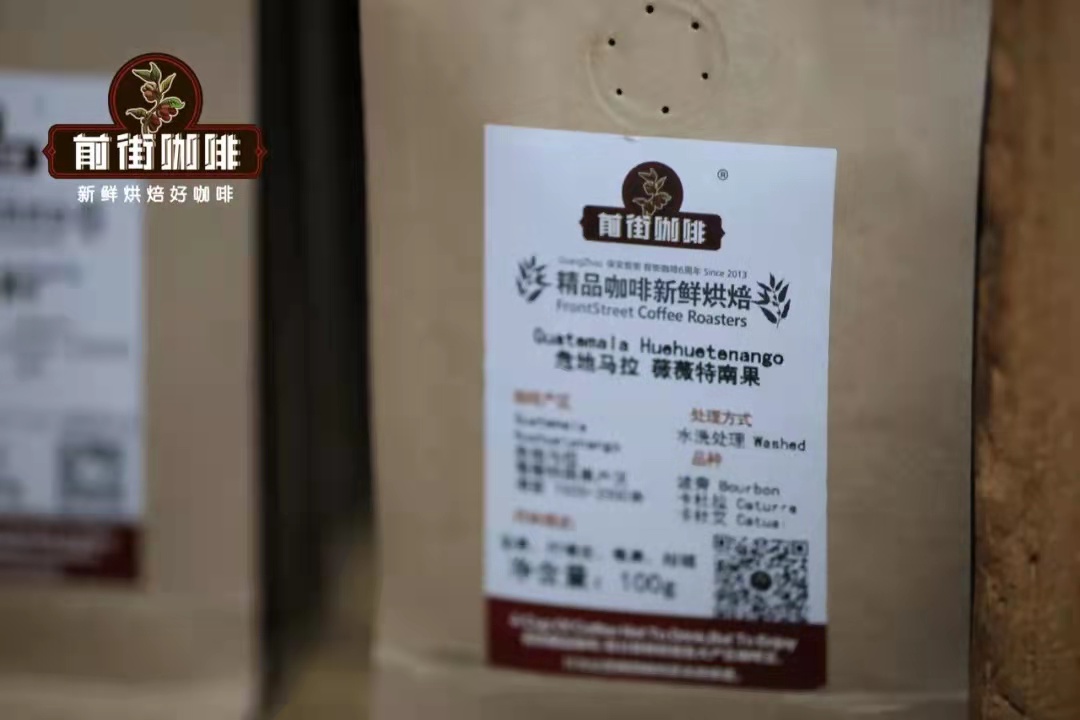
The Huehuetenango region (Highland Huehuetenango) lies near the Mexican border at altitudes of 1,524–1,829 meters (originally 5,000–6,000 feet), with an average annual temperature of 23°C, annual rainfall of 1,800 mm, and humidity of around 75%. Thanks to the natural barrier of the dry, hot winds from the Tehuantepec Plain, this region can effectively resist frost. The coffee cherry harvest is concentrated from January to April, and the coffees produced are known for bright citrus acidity, red berry notes, and a full body, especially suited to brewers who prefer fruity flavors.
Turning to the northern rainforest belt, the Cobán region (Rainforest Cobán) has a typical humid subtropical forest climate, with annual rainfall reaching an astonishing 3,250 mm, humidity of 90%, and temperatures maintained at 15–23°C. Influenced by Atlantic monsoons, cloud cover is frequent and sunshine hours are shorter. Coffee is grown at altitudes of 1,311–1,524 meters (originally 4,300–5,000 feet), mainly HB (Hard Bean) and SHB grades, with the harvest season from December to March of the following year. The region's soils are mainly clay and limestone, and the coffees they nurture often have a full fermented character and distinctive woody notes.
The Volcán San Marcos region, at altitudes of 1,219–1,829 meters (originally 4,000–6,000 feet), is Guatemala's wettest and warmest growing area, with average annual rainfall of 4,500 mm, humidity of 75%, and a significant influence from Pacific climate systems. This is the first region in Guatemala to see the coffee flowering season, with the harvest running from December to March. Abundant rainfall and fertile volcanic soil together create coffees with full sweetness and rich aroma, commonly featuring tropical fruit, caramel, and soft acidity.
Besides the regions above, organically certified coffee mostly comes from Huehuetenango, where growing strictly follows ecological standards to meet the needs of coffee lovers who value sustainable consumption. In terms of varieties, Guatemala mainly grows the two classic varieties Typica and Bourbon, while also cultivating more disease-resistant varieties such as Catuai, Caturra, and Pache. Although these varieties share similar terroir conditions, genetic differences give them subtle flavor distinctions—for example, Bourbon usually shows fuller sweetness, while Typica is known for its elegant acidity.
The Geisha variety, which has risen in recent years, shines in the Acatenango region. This precious variety, originating in Ethiopia and introduced via Costa Rica and Panama, has found new life in Guatemala's volcanic soils and high-altitude environment. Acatenango Geisha coffee stands out for its intense floral and fruity character: floral layers include jasmine and dried petals, sweetness reminiscent of honeysuckle, accompanied by fresh citrus and a soft peach-like flesh texture. Compared with other coffees from the same region, its flavor complexity and distinctiveness are notably higher, making it a collector-grade choice in the specialty coffee market. It is worth noting that cascara, the dried skins removed from coffee cherries, can also be used to make distinctive drinks, creating additional income for coffee farmers.


