Guatemala Antigua Coffee for Espresso? Flavor & Brew Guide
Introduction: Want to know whether coffee from Guatemala's Antigua region is suitable for making espresso? This article takes an in-depth look at the natural conditions of this iconic producing region, the characteristics of its classic bean varieties, and focuses on interpreting the unique flavor profile and suitable applications of the specialty coffee Flor de Caña. From growing altitude to processing methods, and on to recommended parameters for pour-over and espresso extraction, this will help you fully grasp the performance potential of this classic Central American coffee.
Guatemala's Antigua region is a name well known to specialty coffee lovers worldwide, its reputation stemming from an exceptional geographical environment and consistent high-quality output. The region sits in a valley surrounded by three active volcanoes, with growing areas generally above 1,500 meters in altitude; such elevation not only creates a pronounced day-night temperature difference but also endows the coffee beans with a full body and complex flavor layers.
Specifically, Antigua's coffee-growing belt is distributed between 4,600 feet (about 1,400 meters) and 5,600 feet (about 1,700 meters) above sea level, with an average annual temperature maintained between 19 and 22 degrees Celsius, combined with abundant annual rainfall of 800 to 1,200 millimeters and stable relative humidity of around 65%, providing nearly ideal growing conditions for Arabica coffee trees. These climatic characteristics not only ensure a slow and even ripening process for the coffee cherries but also make January through mid-March each year the golden harvest window—green beans harvested at this time typically have greater consistency and maturity.
In terms of varieties, local growers mainly choose three classic Arabica varieties: Caturra, Catuai, and Bourbon. These bean varieties display distinctive regional character in Antigua's high-altitude environment: compared with ordinary Central American coffees, they tend to have a fuller body, bright but not sharp acidity, and a finish that often carries a unique spiciness and a lingering note reminiscent of dark chocolate, with an overall flavor structure that is balanced and layered, and are thus widely recognized as the quintessential representation of Guatemalan coffee quality.
On espresso suitability: thanks to stable climatic conditions and variety characteristics, Antigua coffee performs especially well under dark roasting (what is commonly called "espresso roast"). After fully developed dark roasting, its natural sugars transform into abundant caramelized compounds, achieving an ideal balance of acidity and bitterness; it can support the rich base required for espresso without masking the variety's own complex flavors, making it very suitable for espresso lovers who pursue a balanced taste and full body.
{{IMG}}
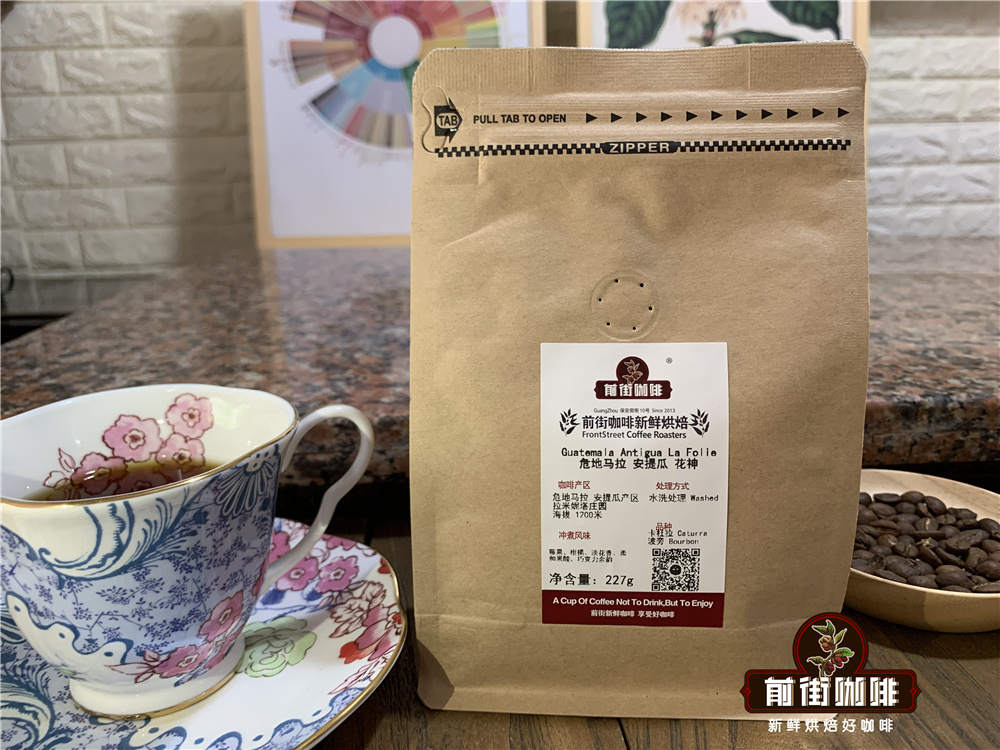
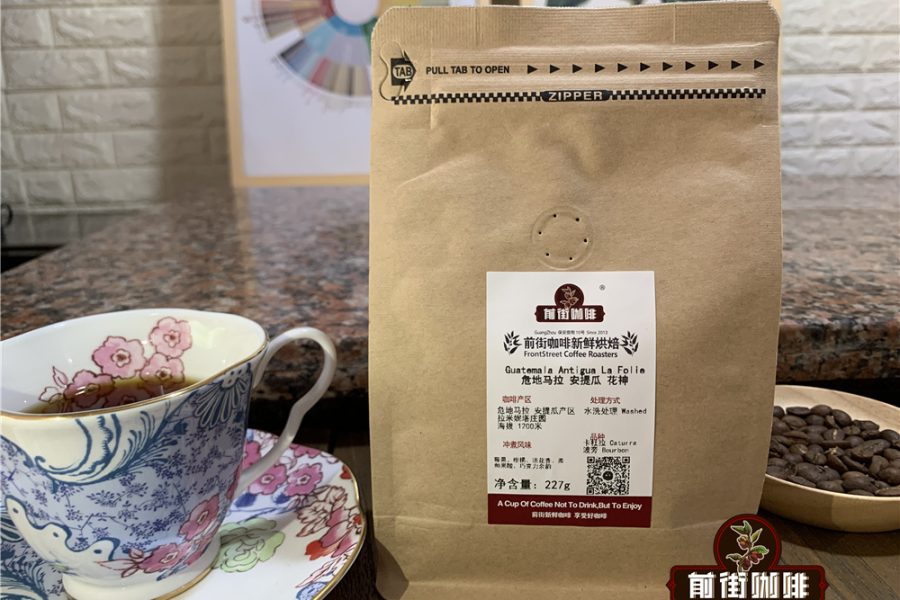
Take the renowned specialty bean "La Minita Flor de Caña" from Antigua as an example; this coffee, produced by La Minita, bears a distinctive regional imprint and unique flavor expression. Its growing altitude ranges between 1,200 and 1,600 meters, it is strictly washed-processed, its varieties include the two classic Arabica varieties Bourbon and Caturra, and it reaches the SHB (Strictly Hard Bean) grade standard—together these parameters determine its high-quality foundation.
In terms of flavor expression, Flor de Caña presents a rare sense of elegant balance: after brewing, what is first captured is a soft and delicate floral main body, reminiscent of the fresh scent of white freesia or citrus blossoms; on the palate the acidity is gentle and not sharp, accompanied by moderate citrus and stone-fruit tones; as it develops toward the middle and finish, a chocolate-like mellow finish gradually emerges and lingers persistently, with an overall clean, crisp, and clearly layered mouthfeel that suits consumers who prefer fresh flavors while also satisfying heavy coffee lovers who enjoy a rich finish.
For pour-over, a medium grind is recommended (close to the texture of fine granulated sugar), with water temperature controlled at 90 to 92 degrees Celsius and a coffee-to-water ratio of 1:15 to 1:16, using center pours and staged extraction to highlight its floral aroma and clean acidity; for espresso, a medium-dark roast level is recommended (the roast profile continuing for about 30 to 45 seconds after entering the dense phase of first crack), with the grind adjusted to the standard espresso-machine setting (about 70% to 75% passing through a No. 20 sieve), paired with an extraction water temperature of 92 to 94 degrees Celsius, to fully showcase the balancing charm of its chocolate finish and full body.
In summary, whether as a daily staple bean or an entry-level choice for exploring Central American coffee flavors, coffee from Guatemala's Antigua region—especially classic beans like Flor de Caña—can, by virtue of its stable quality, unique high-mountain flavor, and excellent espresso suitability, bring coffee lovers an experience worth savoring again and again.