Tanzanian Coffee Beans: Flavor, Acidity, Regions and Grading Guide
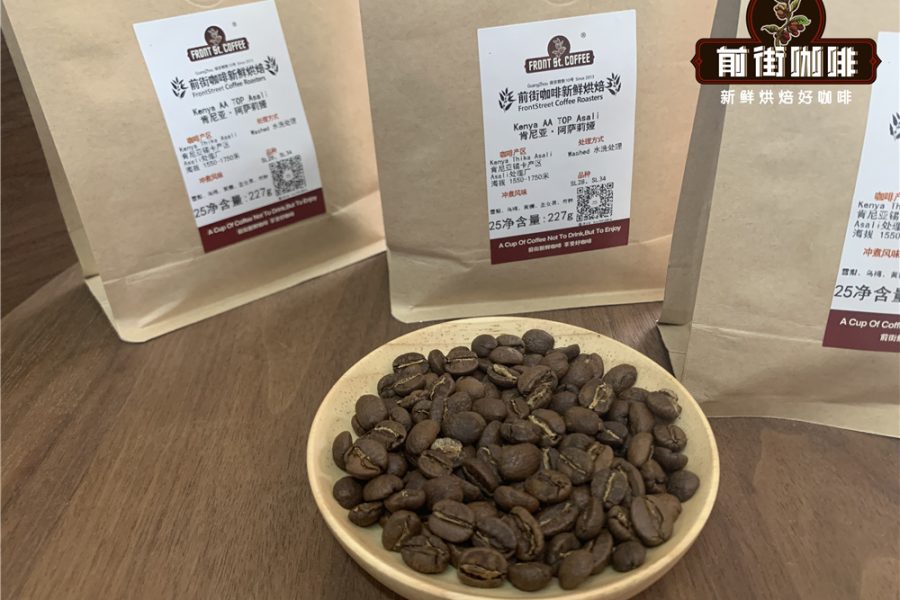
Introduction: Tanzanian coffee is known for its bright acidity and full body, and is often compared with Kenyan coffee. This article provides an in-depth analysis of Tanzanian coffee's flavor characteristics, regional distribution, processing methods and grading system, helping you understand the unique appeal of this African specialty coffee and grasp the key points for selecting high-quality beans.
Tanzanian coffee's flavor profile has a subtle connection with Kenyan coffee; both display lively fruit acidity and a full, wine-like body. However, Tanzanian coffee's acidity is usually softer, not presenting the sharp, pungent sensation of some Kenyan beans, but released in a rounder way. High-quality Tanzanian specialty coffee often carries sweet berry flavors, occasionally mixed with cedar-like woody notes; the overall body is medium to full, smooth on the palate with a creamy texture.
In terms of aroma, Tanzanian coffee may give off pastoral notes, and some lots also capture a warm, sweet aroma like black bread. The finish is usually clean and crisp, with a faint wild aftertaste characteristic of East African coffee. When ground or stored lightly dried, its dry aroma may present a sweet, molasses-like scent, accompanied by delicate floral notes and fresh green apple fruitiness—layered yet not muddled.
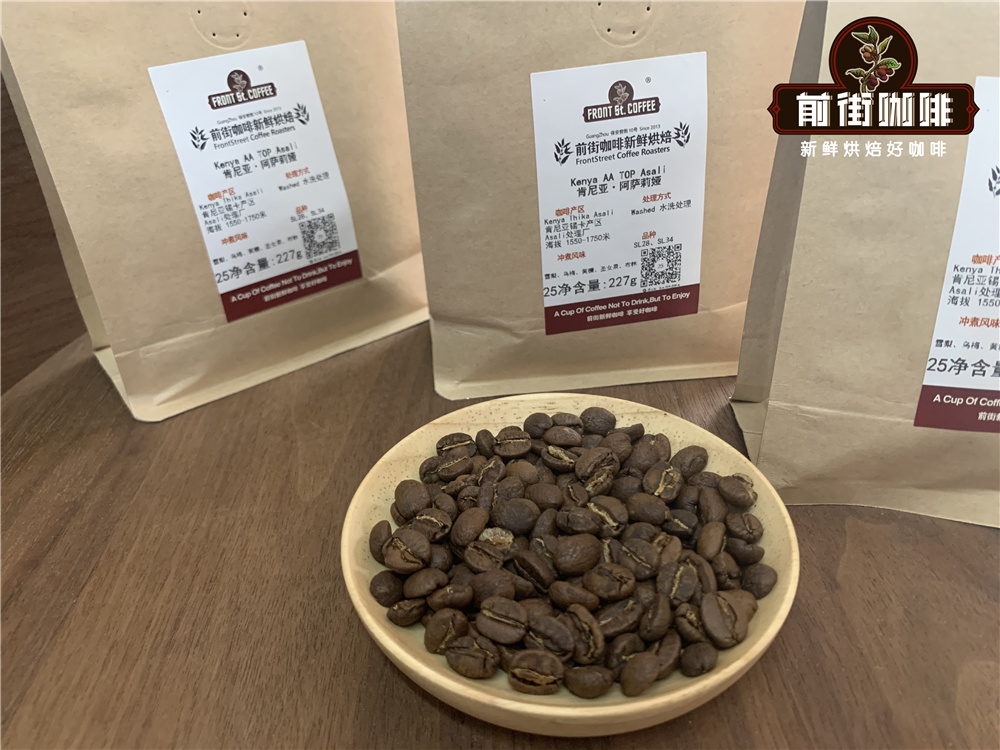
Roast level significantly affects the flavor release of Tanzanian coffee. At the City Roast stage, herbal and floral notes become dominant, suiting drinkers who prefer a fresh profile; dark roasting can bring out the intense flavors of berry fruits and finish with a black pepper-like spice note, adding complexity to the overall flavor. It is recommended to adjust the roast curve according to personal taste preferences; light roasting better highlights its bright acidity and fruit notes.
Washed processing is the mainstream method for Tanzanian coffee; this process effectively preserves the beans' pure flavor while strengthening their natural acidity. It is worth noting that although its wine-like acidity is often mentioned alongside African coffees such as Ethiopian, Tanzanian coffee's overall production quality and consistency currently still lag behind Kenya—the latter has established a higher reputation standard in the international market thanks to a stricter quality control system.
Tanzania uses a coffee grading system similar to Kenya's, with AA grade as the highest quality grade, featuring large bean size and low defect rate, followed by A grade, B grade, etc. This grading system primarily screens based on bean size, density and defect count; AA-grade beans usually come from high-altitude regions and have more concentrated flavor expression.
Tanzania's coffee-growing areas are mainly concentrated in high-altitude zones, with the three most representative regions—Moshi, Arusha and Kilimanjaro—all located on the slopes of Mount Kilimanjaro near the Kenyan border. The high-altitude environment in these areas (usually above 1,500 meters) causes local coffee trees to grow slowly, with higher fruit maturity, naturally giving them Strictly High Grown (SHG) characteristics. Southern regions such as Mbeya and Pare, although smaller in production, also produce distinctive beans thanks to the microclimate between Lake Nyasa and Lake Tanganyika.
From the perspective of transportation convenience, coffee from southern Tanzania has a clear advantage: better drying conditions and a well-developed logistics network effectively reduce the "sweating" deterioration problem caused by high temperature and humidity inside containers—one of the main sources of criticism for many Tanzanian coffee lots. When purchasing, it is recommended to prioritize products with clearly labeled region and processing station information, and to check the roast date to ensure freshness.


