Coffee bean freshness guide: 5 keys to choosing packaging that locks in flavor
Introduction: Freshness directly affects a coffee's flavor, but how can you tell whether coffee beans are fresh? From the oily sheen after roasting to the one-way degassing valve on the bag, these details are often overlooked. By analyzing kahweol content, aroma changes, and packaging technology, this article teaches you to identify the characteristics of fresh coffee beans and master the science of extending the flavor cycle, so every cup of pour-over or espresso stays at its best.
More than 2 billion cups of coffee are consumed worldwide every day, and freshly roasted coffee beans are the core guarantee of flavor. Once beans leave the roaster and meet the air, the active chemical compounds inside them begin to slowly dissipate—and this is exactly what affects the taste.
Visual check: the secret of the oily sheen
Freshly roasted coffee beans are covered with a natural layer of oil made up of coffee alcohols, which is the main reason dark roasts look glossy.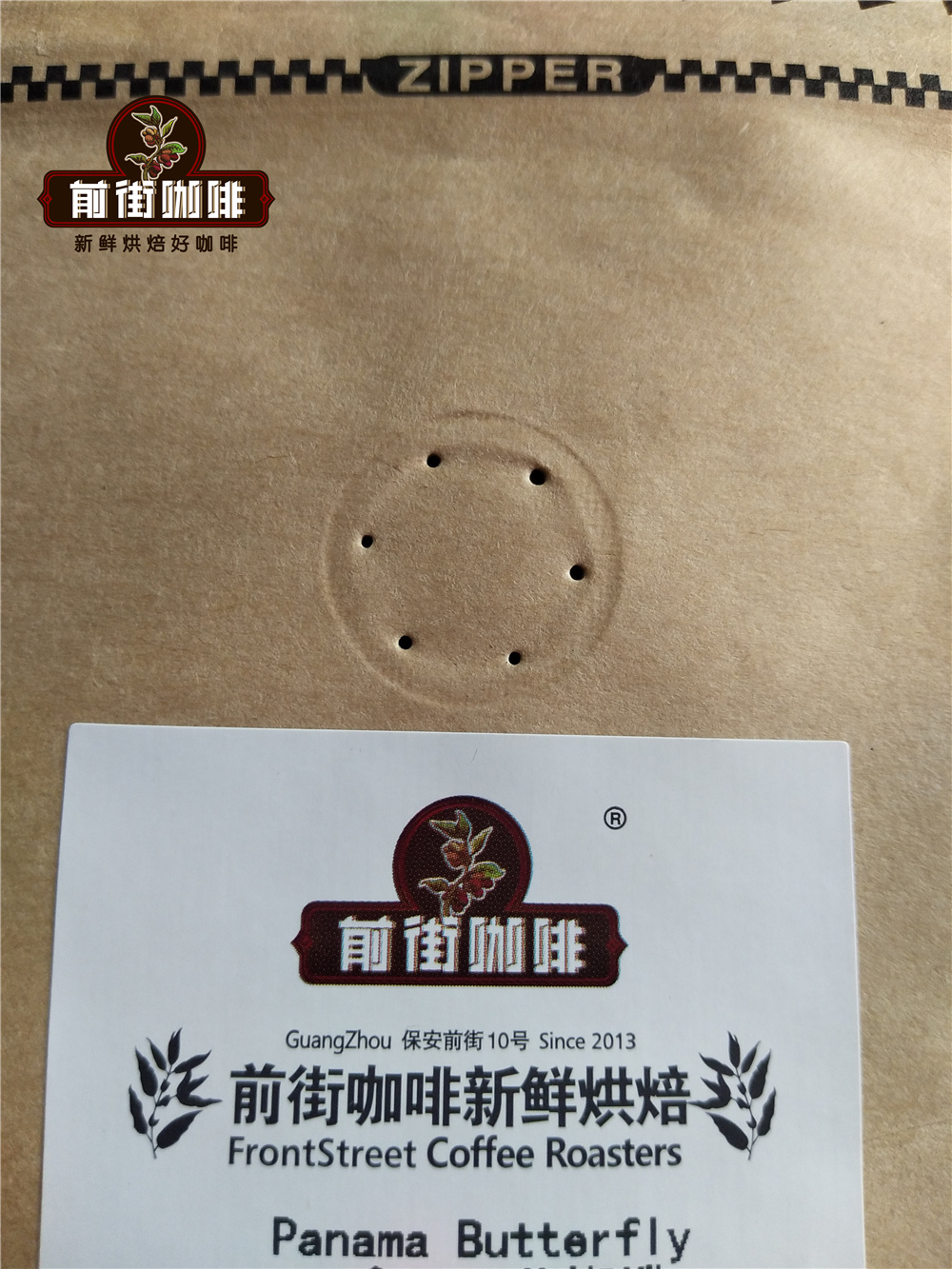 Light roasts have less oil, but high-quality beans should still show an even, reflective surface. Note that Swiss Water Process decaf beans lose most of their oil through processing, so they cannot be used as a basis for judging freshness.
Tactile test: the science of residue
Rub a small number of beans and then look at your fingers: fresh beans leave a faint oil film on your palm, and the residue is more obvious with dark-roasted beans. If the inside of the bag is dry with no oil stains, or your fingers are completely clean when you open the bag, the beans were probably roasted more than 2 weeks ago. It is advisable to prioritize brands that offer sample packs so you can verify the actual feel.
Olfactory standard: the timeliness of aroma
Freshly opened coffee beans release a strong roasted aroma of nuts, caramel, and the like, and these volatile compounds decay by about 1.2% per hour. If you can't smell a distinct aroma when you open the bag, or the smell is mixed with a stale note, it usually means the beans were roasted more than 10 days ago. Professional advice: store beans in a light-proof, airtight canister and use them within 3 days of opening for the best flavor.
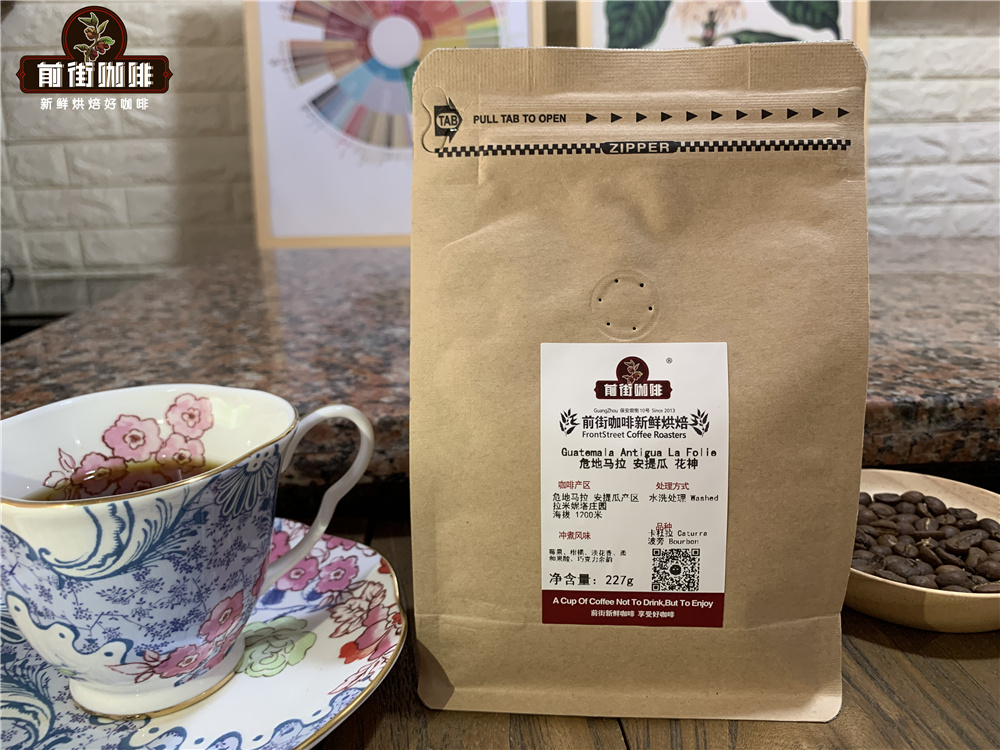
Packaging technology: how the one-way valve degasses
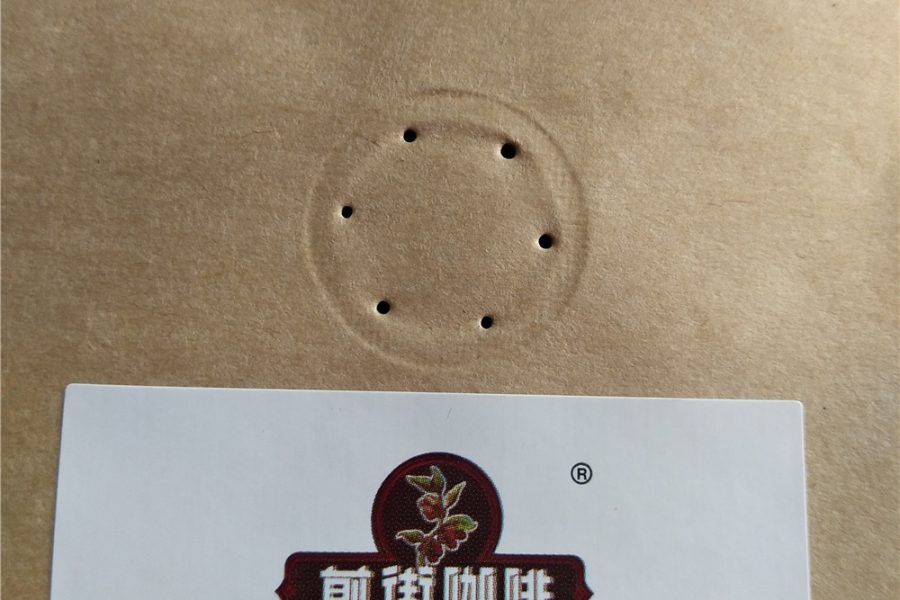
The one-way degassing valve, a must-have on high-end coffee packaging, works by allowing the carbon dioxide produced by roasting (released at about 0.3–0.5 ml/100 g per day) to escape while blocking outside oxygen from entering. This degassing process usually lasts 7–14 days, and forcing the package sealed during this time can cause it to swell or even burst. When buying, note: a reputable manufacturer's valve should be on the front of the package and give clear elastic feedback when pressed.
Simple test: the carbon dioxide release check
A home experiment to verify coffee freshness: put 20 g of coffee beans in an airtight bag with the air removed and leave it at room temperature for 8 hours, then observe. Freshly roasted beans in their degassing phase produce enough gas pressure to make the bag visibly puff up, while beans more than 3 weeks old have released nearly all their carbon dioxide and the bag stays flat. This method is suitable for judging the freshness of beans roasted more than 10 days ago.
Professional roasters print a roast date accurate to the day (not a best-before date), and consumers are advised to choose beans roasted 7–21 days ago—the golden window on the flavor development curve. Beans with special processing methods (such as anaerobic fermentation) may have a peak flavor period shortened to 5–10 days because of the differences in processing.


