Kenya and Guatemala Coffee Grading Explained
Introduction: Understanding coffee bean grading standards is the first step in selecting high-quality coffee. This article takes an in-depth look at the coffee grading systems of two well-known origins, Kenya and Guatemala, and compares how different dimensions such as altitude, bean size, density and processing method affect the final flavor. It also expands the discussion to introduce the grading logic of other important origins around the world, such as Costa Rica, Kona and Guatemala, helping you build a professional knowledge framework for choosing coffee beans.
Coffee bean grading is an extremely critical link in the coffee supply chain. This process divides green beans into different quality grades according to a series of clear standards, thereby ensuring that roasters and consumers can make precise choices according to their needs. Different origins focus on different grading methods; some emphasize bean size, while others rely on altitude, processing method or even defect rate. Understanding these standards helps us better understand the terroir and craft behind each coffee.
Common grading reference dimensions include: coffee variety (such as Arabica, Robusta and subdivisions like Bourbon), physical size (for example, the commonly heard AA grade, 17/18 screen or Supremo), whether the beans are Peaberry, processing method (washed, semi-washed, natural), proportion of defective beans, harvesting altitude, bean density and origin characteristics. Even when these variables are well controlled, annual climate differences can still cause cup performance to fluctuate, so professional institutions continuously evaluate the flavor of each batch of coffee. For ordinary consumers, origin and past cupping records are often the most reliable reference indicators.
From the roaster's perspective, the physical size, density, processing method and defect situation of green beans directly affect the roasting curve and final output, so these parameters are also key points of evaluation. Especially in high-precision roasting processes, beans of different densities and sizes need differentiated treatment to avoid under-roasting or over-roasting.
All producing regions around the world have developed localized grading systems, with the aim of integrating scattered farm resources and providing stable and consistent quality output for international trade. This standardized approach allows coffee beans from even hundreds or thousands of small farms to be divided into grades according to unified rules, facilitating export and quality control.
Take Costa Rica as an example. Its grading is mainly based on altitude and bean hardness. Locally, coffee is divided into Strictly Hard Bean (SHB, grown above 3,900 feet), Good Hard Bean (GHB, 3,300-3,900 feet) and Medium Hard Bean (MHB, 1,600-3,000 feet). It is generally believed that coffee cherries mature more slowly in high-altitude environments, which is conducive to the accumulation of flavor compounds and thus forms brighter acidity and a more complex mouthfeel. This model of determining hardness by altitude is very common in Central America.
Hawaii's Kona coffee uses a dual-track grading system: first, based on the number of seeds in each coffee cherry, coffee beans are divided into Type I (containing two half beans, one flat and one oval) and Type II (containing only one round bean, namely Peaberry). Then they are further subdivided by size, moisture content and purity. Type I Kona grades from low to high are Prime, Kona #1, Fancy and the highest grade Extra Fancy; Type II includes Peaberry Prime and Peaberry Number One.
In Guatemala, the grading system also emphasizes altitude and hardness indicators. Locally, Strictly Hard Bean (SHB) is defined as coffee grown at altitudes above 4,500 feet, while Hard Bean (HB) is the product of altitudes between 4,000 and 5,000 feet. Consistent with the consensus in most producing regions, higher altitude usually means greater bean density and stronger flavor potential, so it is also regarded as a symbol of high quality.
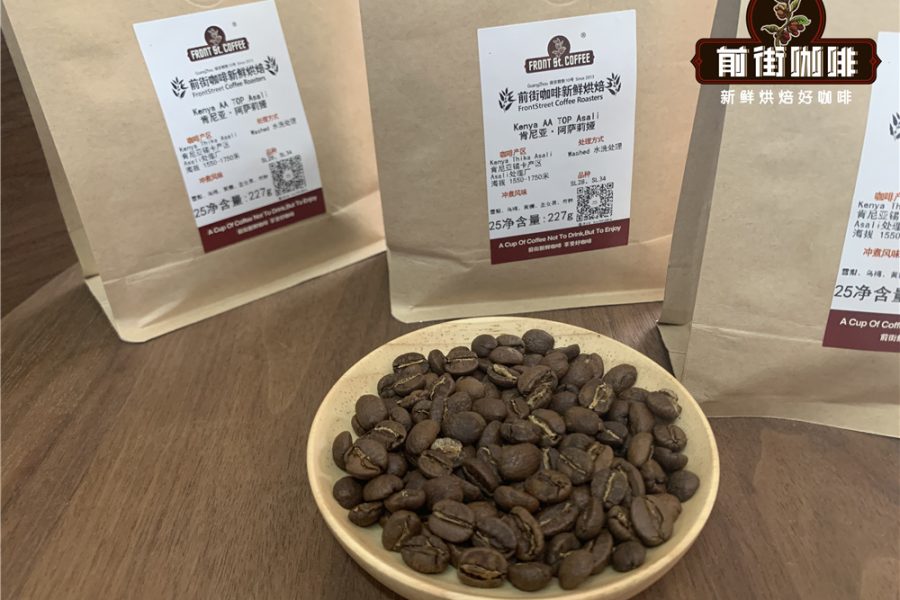
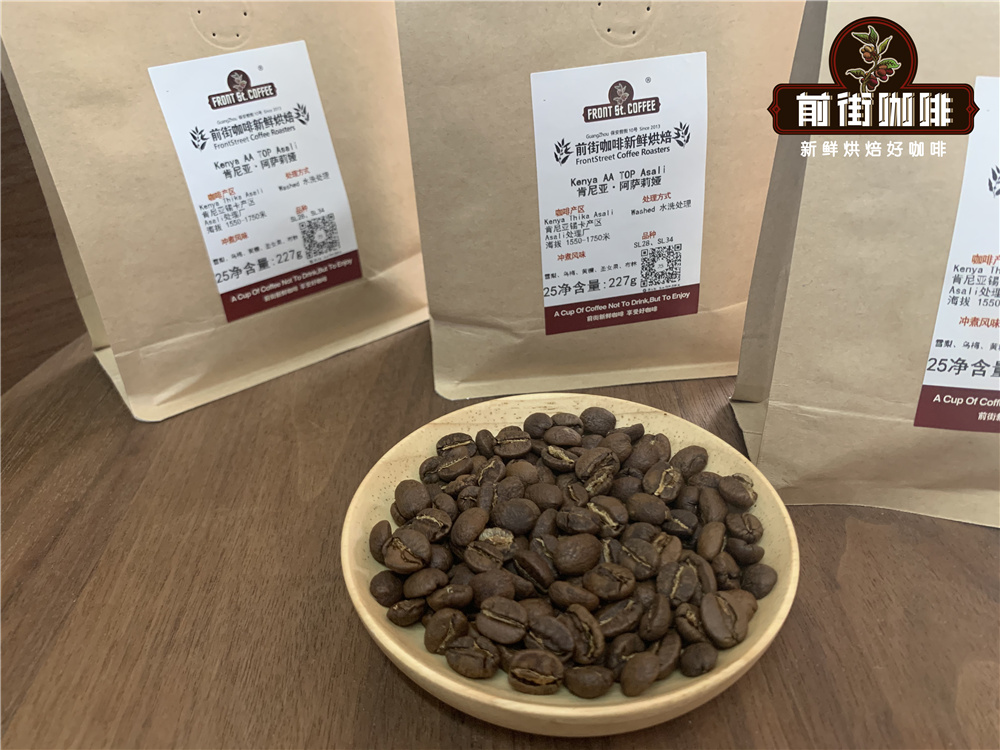
Kenya coffee is world-famous for its rigorous grading process. After harvesting, the country's coffee is screened and rated multiple times according to size, color, shape and density. Among them, the largest and fullest-looking coffee beans are classified as Kenya AA, whose standard screen aperture corresponds to beans slightly larger than 1/4 inch in diameter. Although slightly smaller Kenya AB beans occasionally match them in flavor performance, overall, Kenya AA from high-altitude areas above 6,600 feet is often considered one of the world's top specialty coffee representatives. It is worth noting that although bean size is positively correlated with flavor oil content, it is not absolute—cupping experts still debate this to this day.
Kenya grading also includes some special grades: Grade E (also called Elephant grade) consists of rare genetically mutated beans formed by the fusion of two seeds within the fruit; such beans are usually huge. At the same time, Grade E also covers some oversized Peaberry (PB) beans. In addition, Kenya Grade C comes from small beans within Grade B; Grade TT is the product of removing light beans from E, AB and AA grades through air-flow screening; Grade T includes broken, defective and extremely small beans, and even contains Grade C fragments. MH/ML grades account for about 7% of Kenya's annual output; because these beans are not harvested in time or fall naturally after becoming overripe, they often carry a noticeable sour and astringent sensation.
In the practical process of green bean grading, screens are one of the most commonly used tools, precisely separating beans by size through different apertures. In addition, vibrating air tables use gravity and air-flow principles to further screen beans by density, while effectively separating hollow, insect-damaged or otherwise physically defective beans, ensuring that the final product has greater consistency and flavor potential. These technical means are an important guarantee for achieving stable specialty coffee quality.


