Nicaragua vs Honduras Coffee: Which to Choose?
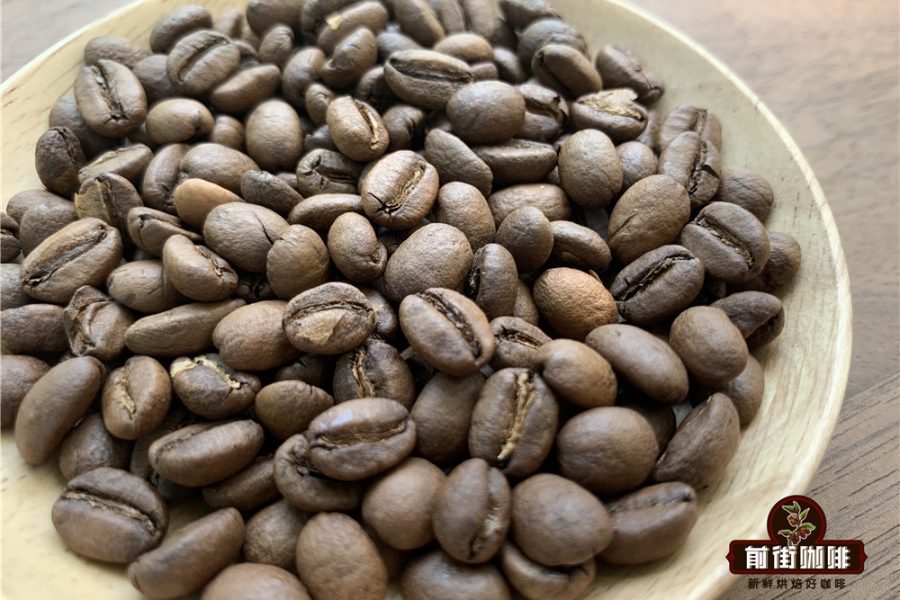
Introduction: Want to understand what sets Central American specialty coffees apart? This article takes a deep look at the core differences between Nicaraguan and Honduran coffee in flavor profile, processing methods and variety characteristics, with a focus on the flavor performance and growing-altitude requirements of Nicaragua's main cultivated varieties. From pour-over extraction parameters to the influence of microclimates at origin, it helps you choose beans that match your taste preferences.
Nicaraguan coffee is known for its medium to full bean structure, with flavor characteristics expressed in mild acidity and rich layers. Compared with other Central American origins, coffee here tends to show a softer acidity curve; on the palate you can clearly perceive a base of vanilla and nutty aromas, accompanied by moderate sweetness. High-quality lots also reveal bright citrus tones or delicate floral notes, but low-frequency aromas such as papaya and apricot rarely appear, and a strong chocolate finish is less common.
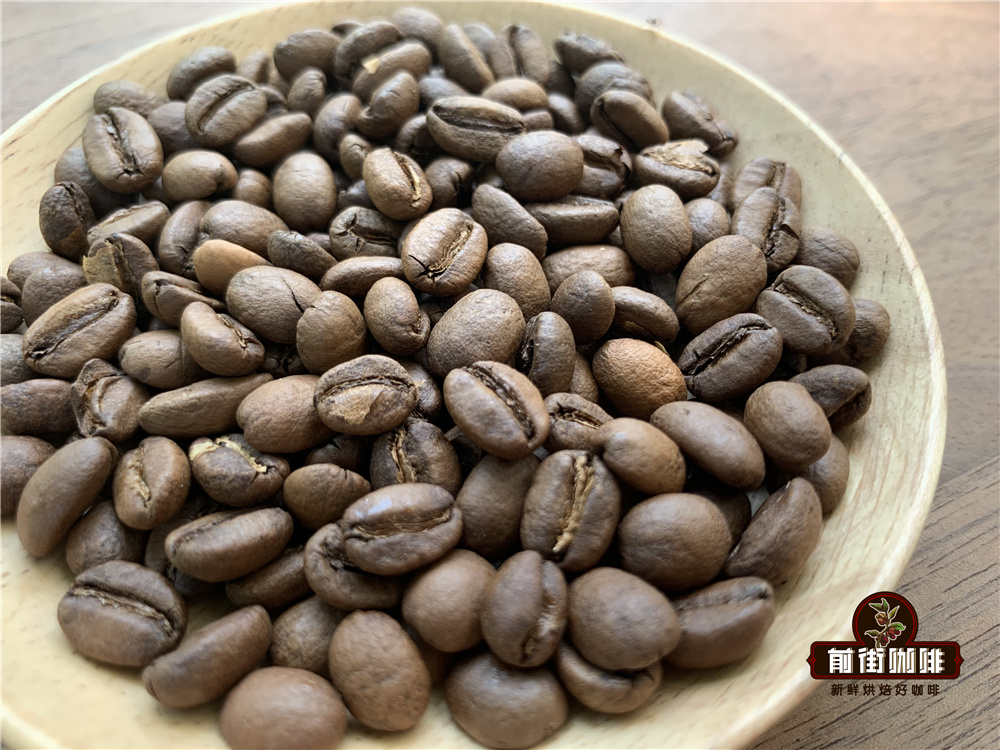
The country's coffee processing is dominated by the traditional washed method, which better preserves the purity of the beans while reinforcing a clean, bright mouthfeel. Although the share of products with organic certification on the market is not high—mainly limited by local growing conditions and certification costs—most farms in practice use ecological farming without chemical agents, which is closely related to the current state of local infrastructure.
In terms of altitude distribution, although Nicaragua has some low-altitude growing areas, its main producing regions generally meet the Strictly High Grown (SHG) standard. Notably, the country's geographical position bordering Costa Rica and Honduras means it participates in the specialty coffee segment while also supplying bulk commercial-grade material. Common trade names such as Segovia, Jinotega and Matagalpa all point to flavor clusters of specific regions.
In terms of variety composition, Bourbon is one of Nicaragua's most representative cultivated varieties; it gives coffee beans a mild, sweet-toned character, often accompanied by layers of pear, vanilla and even pie-crust-like flavors. Other relatively niche varieties include Caturra, Pacamara and Maragogype. Among them, Maragogype, a natural mutation of Typica, is known for producing extra-large coffee cherries; these 'elephant beans' usually need to grow in mountain environments at 2,000 to 2,500 feet above sea level, and once mature can show a refined balance of acidity and a supple body.
The terroir differences among Nicaragua's producing regions directly affect the final flavor expression. For example, Jinotega, a core producing region, ranges in altitude from 1,100 to 1,700 meters and mainly grows Caturra and Bourbon. The well-known local cooperative Soppexcca uses banana and mango shade-growing techniques (though it has not obtained the relevant certification); its Flor de Jinotega coffee beans, after medium roasting, present a round, full mouthfeel with prominent sweetness and a tropical-fruit undertone. The Matagalpa area around the capital, Matagalpa, brings together many small and medium-sized estates and cooperatives; coffee trees mostly grow in the 1,000 to 1,400-meter altitude band, and variety selection is likewise concentrated on the classic Central American combination.
The Segovia region (also called the Nueva Segovia department) is a distinctive niche producing area; its coffee develops a unique combined fruity and chocolate flavor at altitudes of 1,000 to 1,400 meters, especially notable for an almond-nougat-like sweetness. Professional advice is to use a medium-dark roast for this region, which better highlights the balanced body of Caturra and Bourbon varieties; such beans suit all-day drinking, and cold brew processing can further soften the acidity, making them an excellent choice for summer refreshment.
Regarding the coffee trade circulation chain, Nicaragua's export system has gone through multiple historical fluctuations—from the demand shocks of the mid-19th century, to modern disruptions from civil war, natural disasters and international political factors, until recent years when market share has gradually recovered. Currently green beans are mainly shipped to the North American market in full containers through Central American distributors, with the standard specification being 45,000 pounds bulk per container, broken down after arrival into 132-pound standard jute bags and then distributed to roasters for custom blends or as a blending base.
Finally, a special note: Nicaragua's Pacamara variety is a special type bred by crossing the Salvadoran hybrid Pacas with the elephant bean Maragogype. Although this variety is relatively stress-resistant, it places strict demands on processing after harvest: the pressure parameters of the depulper need precise regulation, fermentation time and the washing process need to be extended by about 15%–20% compared with conventional varieties, and the drying stage relies more on multi-layer movable drying beds to ensure uniform dehydration. These details directly affect the final cupping quality and are also the key indicators distinguishing premium Pacamara from ordinary lots.


