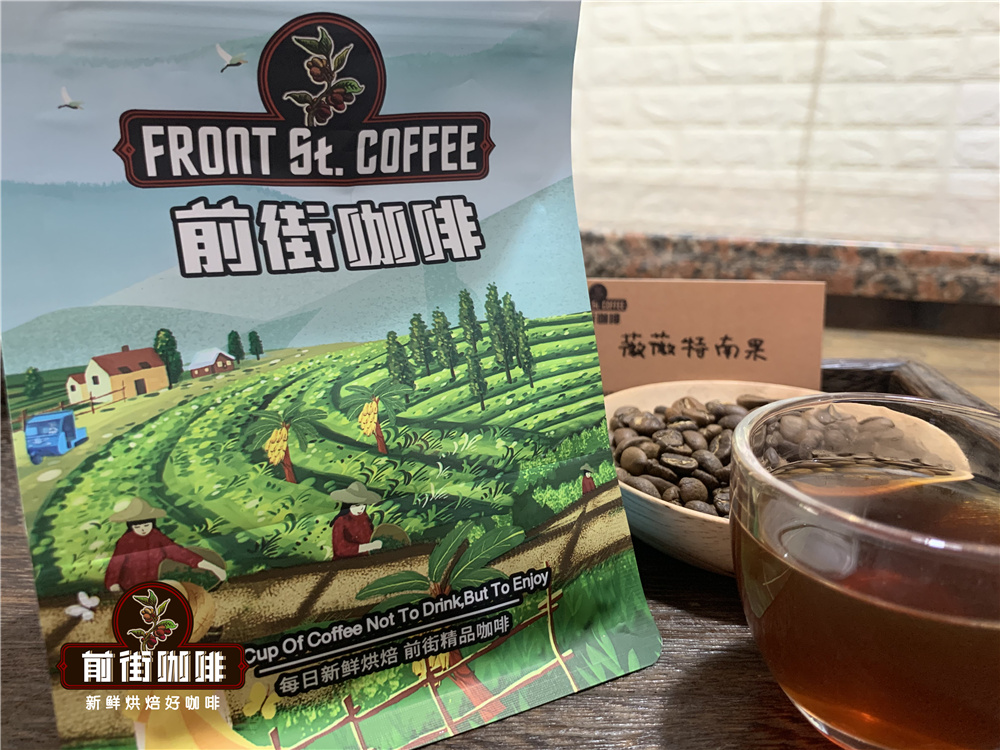
Guatemala Coffee Regions: Flavor Differences from Antigua to Huehuetenango
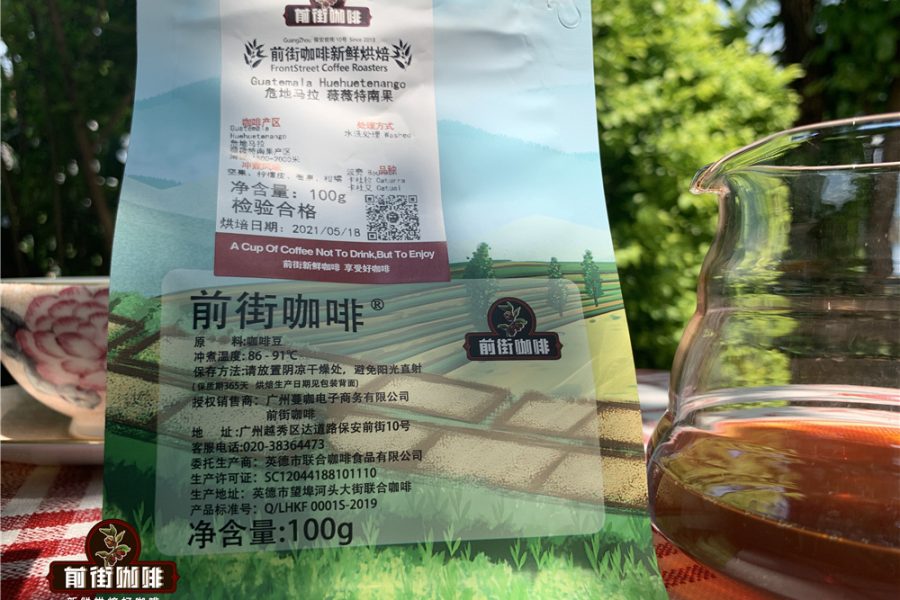
Introduction: As a classic coffee-producing region in Central America, Guatemala's varied terrain and volcanic soils nurture specialty coffee beans of strikingly different styles. This article analyzes in depth the terroir characteristics of six core regions including Antigua and Huehuetenango, compares the acidity layers and body differences between Flor del Café and Huehuetenango, and provides buying criteria and roasting suggestions for Strictly Hard Bean (SHB), helping you find the coffee flavor you love.
Guatemala is among the world's top ten coffee-producing countries, and its coffee culture dates back to the mid-19th century. Small plantations began to emerge at that time, and with the push of foreign capital the country once became Central America's largest coffee exporter. Although Honduras has surpassed it in recent years, Guatemala is still known for its unique regional microclimates and strict quality grading system. Among these, the Antigua region is regarded as an ideal entry point to high-end Guatemalan coffee, as its coffees combine complexity with balance.
Guatemalan coffee's exceptional quality first benefits from its advantageous geographical conditions. The Antigua region lies in a valley surrounded by the southern volcanic chain, at elevations between 1,400 and 1,700 meters (originally 4,600-5,600 feet converted), with day-night temperature differences stable at 19-22°C. The red soil formed from volcanic ash is rich in organic matter, and together with abundant annual rainfall of 2,500 mm, it provides an ideal growing environment for Arabica coffee trees. Note in particular that when buying, you should look for the Guatemalan coffee association-certified Strictly Hard Bean (SHB, above 1,350 meters) or Hard Bean (HB, 1,200-1,500 meters) grade markings.
In terms of flavor, Antigua coffee shows a distinct Central American character. Its acidity is bright with citrus notes, forming a unique balance with a full chocolate and caramel finish. Compared with other regions, the coffee here has a fuller body, and at dark roast it can develop alluring spice aromas and nutty flavors, making it especially suitable for espresso or pour-over single origins. Professional cuppers often describe it as having a "silk-smooth mouthfeel transition," a characteristic of the high-density bean quality that comes from high-altitude growing.
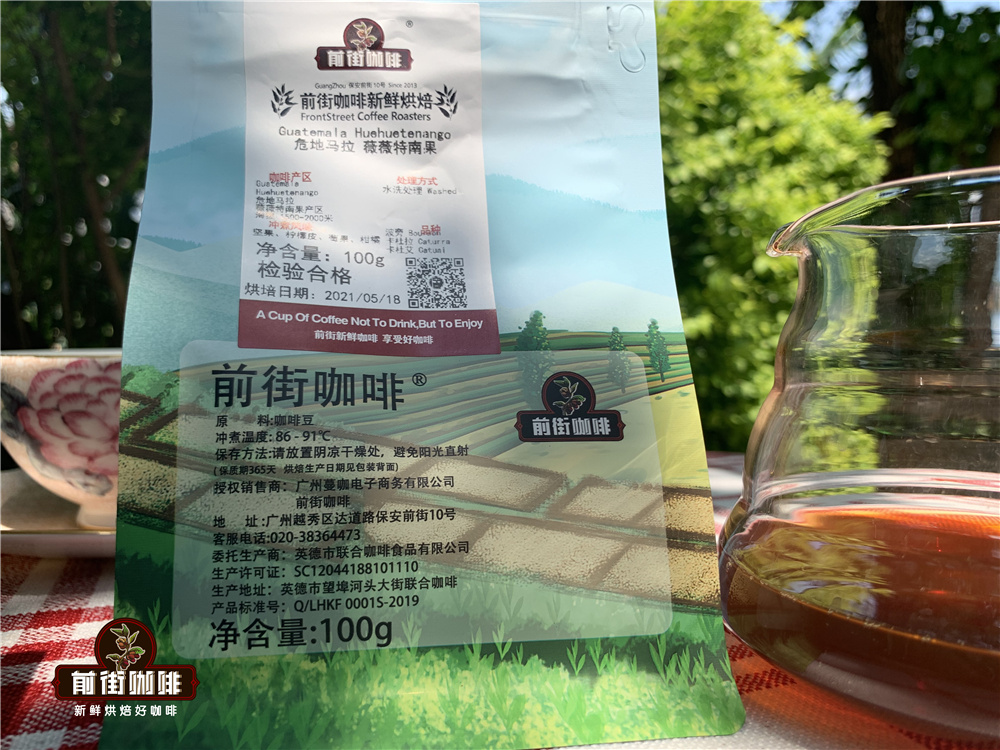
Guatemala's six major regions each have their own terroir code: Huehuetenango, as the northernmost highland region, sits at 1,500-2,000 meters (originally 5,000+ feet); far from the ocean, its special terrain creates a microclimate with day-night temperature differences of up to 15°C. The coffee produced here is known for its light body, with acidity showing fresh apple and tropical fruit notes and a finish of pure honey-like sweetness. The Fraijanes Plateau, nourished by Pacaya volcanic ash, has notably high soil potassium content; its coffee's body is close to Antigua's but its acidity is softer, with a distinctive almond aroma.
Processing methods in different regions also affect the final flavor. The Coban region, because of its tropical rainforest climate, uses special drying processing; its coffee shows full berry acidity and a black-tea-like body. Around Lake Atitlan, farms use lake water for honey processing, giving the coffee brighter citrus acidity and jasmine aromas. For pour-over, note: Antigua and Huehuetenango are suited to 92-94°C water temperature, with a grind slightly finer than standard Central and South American beans (about 75% passing a Chinese standard No. 20 sieve), and a pouring speed controlled at 2-3 ml per second to ensure full extraction.
Regarding quality grading, Guatemala uses the internationally common altitude grading system: SHB (Strictly Hard Bean) corresponds to above 1,350 meters, with high bean density suitable for dark roasting; HB (Hard Bean) is the 1,200-1,500 meter range, accommodating a variety of roasting methods. When buying, consumers should not only look at the region label but also pay attention to the harvest year (fresh batches within 30 days of roasting are recommended), and observe whether the beans are uniform and plump. A common misconception is that all Guatemalan coffee is suitable for heavy roasting; in fact, high-acidity regions such as Huehuetenango are better suited to medium-light roasting to preserve their floral and fruity notes.