Ethiopian Coffee Guide: Sidamo and Yirgacheffe Flavor Profiles

Introduction: Ethiopia, the birthplace of coffee, nurtures the world's richest coffee gene pool. This article takes a deep look at the country's six core regions, focusing on the two renowned regions of Sidamo and Yirgacheffe. It explains their altitude, processing methods, and flavor characteristics, and also covers coffee grading standards and the differences among the three bean types, helping you choose the coffee beans you love with precision.
Ethiopia is not only the cradle of coffee civilization but also renowned for its biodiversity—more than 5,000 wild Arabica varieties grow within its borders, and the primeval forests of the Kaffa region in the southwest still preserve the oldest coffee genes. Under the combined influence of volcanic soil and highland climate, these heirloom varieties form a unique flavor profile.
The legend of coffee's origin is hard to verify, but the tale of Kaldi the shepherd discovering coffee cherries is widely told: after his goats ate the red fruit and became unusually excited, local monks tried roasting and grinding it, and the earliest coffee beverage was accidentally born. Although scholars generally believe the Galla nomadic tribes were more likely the true discoverers, the legend still adds an air of mystery to Ethiopia's coffee culture.
The country currently supplies about 60% of the world's specialty coffee exports, and its **geographical indication protection system** is especially well developed—the government and growers jointly safeguard the trademark rights of core regions such as Harar and Sidamo, and it even once faced Starbucks in court over brand usage rights, showing how much it values the distinctive character of its places of origin.
From a professional standpoint, Ethiopian coffee is graded using a **1-9 visual system**: grades 1-2 are specialty grade with extremely low defect rates (suitable for pour-over and other precise extraction methods), while grades 3-9 are commercial grade. High-mountain growing areas at 4,920-7,220 feet (about 1,500-2,200 meters) produce denser beans that often carry bright acidity.
The Sidamo region spans an altitude band of 4,920-7,220 feet and strictly meets the "Strictly High Grown" standard. The area includes the well-known Yirgacheffe and Guji sub-regions, and its coffees generally show citrus notes (such as bergamot and blood orange) and berry acidity (red cherry, blueberry), with a mid-palate body paired with a citrus finish; natural-process beans from the Gedeo Zone in particular have a more honeyed texture.Note in particular: Yirgacheffe, when labeled separately in the market, is in fact a high-altitude micro-region under Sidamo.
Yirgacheffe, as an independently registered region, is often grouped under the Sidamo system, but its growing altitude of around 2,000 meters and **fully washed processing** give it a more distinctive flavor identity. Typical cupping performance: a fresh jasmine/green tea top note, a bright lemon black tea acidity in the middle, and a honeyed sweetness in the finish. Professional roasters recommend extracting at 90-93°C water temperature to highlight its bright citrus acidity.
The southern Guji region was only officially demarcated in 2002, but it has risen rapidly on the strength of heirloom varieties unique to the Oromo tribes. Coffees grown in volcanic red soil often carry dark chocolate body and jasmine florals, with excellent sweet-acid balance (similar to Kenya AA but softer); some high-altitude plots even produce beans with tropical fruit (passion fruit) flavors, suited to consumers who prefer a fuller mouthfeel.
The eastern Harar region preserves the most original **natural processing tradition**: hand-picked coffee cherries are dried for more than 21 days, developing a distinctive raisin sweetness and blueberry wine notes. Its mocha flavor does not refer to chocolate but to the complex layers reminiscent of the old trade blend shipped from Yemen's Mocha port—best enjoyed with cinnamon rolls and other pastries to experience a symphony of spice and fruit.
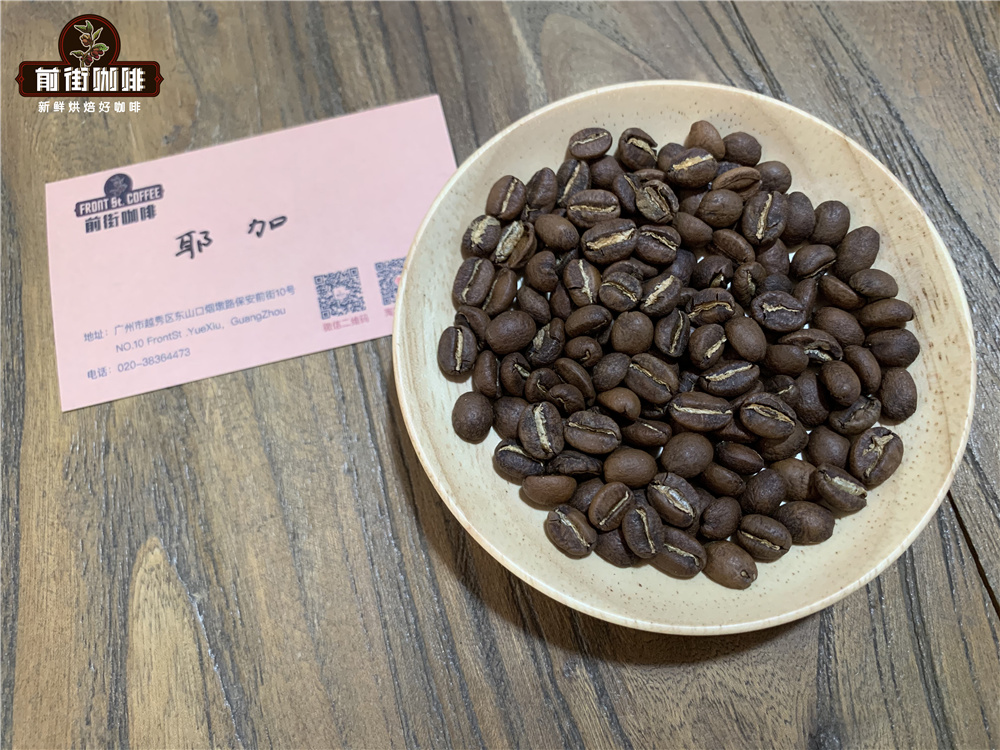
Beyond the six main regions, Genika beans from the Bench Maji zone are a model of single origin: grown only in local limestone soils, the small beans have a dark gray color and release spice notes such as cinnamon and clove along with dark berry flavors in the cup, with mild acidity yet a long finish. The wet-hulled processing of the Limu region, meanwhile, creates low acidity, suitable for balanced milk-based coffee.
Ethiopian coffee is divided into three types by bean shape: Longberry has the largest beans (about 18mm long) and the highest density, usually washed; Shortberry is slightly smaller but has better flavor concentration; Mocha is the small round bean (Peaberry), accounting for less than 5%, often with almond and smoky finish notes, suitable for dark roasting.
When tasting Ethiopian coffee, pay attention to the **special cause of its floral and fruity notes**—most is dried in parchment under the sun, and the slow fermentation of the mucilage layer gives it unique flavors. Beginners can start with washed Yirgacheffe to experience clear acidity and aroma; more advanced drinkers can try natural Guji to explore layers of sweetness; and true coffee connoisseurs may want to collect traditional Harar lots for a tasting journey across time and space.


