Ethiopian Yirgacheffe coffee: flavor profile and brewing guide
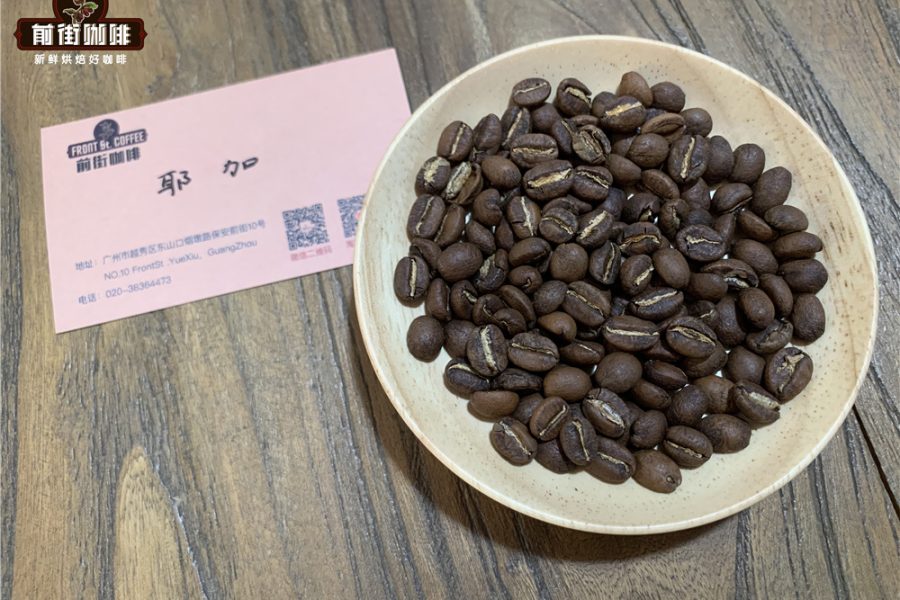
Introduction: As Ethiopia's most representative specialty coffee region, Yirgacheffe is known worldwide for its distinctive fruity character and bright acidity. This article takes you deeper into the history and geographical advantages of this legendary region, analyzes its signature flavor characteristics in detail, explains the professional-grade washed processing method, and finally offers practical parameter suggestions suitable for home brewing to help you fully experience the appeal of this classic African bean.
In the world of specialty coffee, Ethiopian Yirgacheffe has always held a special place. The coffee beans produced here are known for their vivid citrus notes, rich floral layers and unforgettable bright acidity; even coffee beginners can easily sense their distinctive flavor personality. Compared with the heavy mouthfeel traditionally associated with dark roasting, Yirgacheffe reveals a more refined and delicate side of the coffee bean.
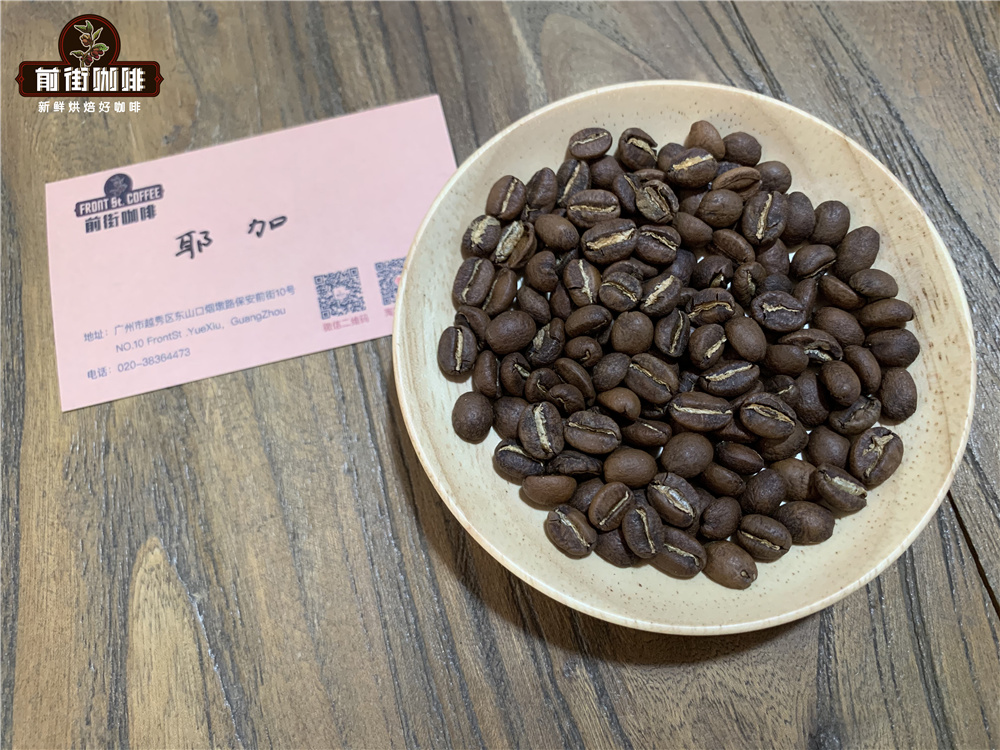
Yirgacheffe is located in Sidamo in southern Ethiopia, at an altitude of 1,700–2,200 meters. This high-altitude environment creates a slow ripening process for the coffee beans, giving them higher density and allowing them to accumulate richer flavor compounds. The area uses the traditional washed process; through careful depulping, fermentation and repeated rinsing with clean water, it not only preserves the natural fruit aromas of the coffee cherry but also strengthens the bright acidity.
In the famous legend about the origin of coffee, the story of the shepherd Kaldi discovering that his flock became unusually lively after eating red berries took place on this land of Ethiopia. Although this is more likely a beautiful legend, archaeological evidence shows that coffee was already being cultivated in the region around 850 AD. It is particularly worth noting that Yirgacheffe was the first region to establish professional washed-processing factories; this innovation greatly improved the consistency of coffee quality and also laid the foundation for the later modernization of Ethiopia's coffee industry.
During the harvest season from October to April each year, more than 45,000 local coffee farmers carefully pick ripe coffee cherries. The strictly selected fruit is processed using the traditional washed method: first the pulp is removed, then the beans are soaked in fermentation tanks for 12–36 hours (the exact time adjusted according to temperature), then rinsed repeatedly with clean water to remove the mucilage, and finally the parchment beans are placed on drying beds to dry to a moisture content of 11–12%. This meticulous processing creates Yirgacheffe's signature clean mouthfeel and complex flavors.
In terms of flavor characteristics, a typical Yirgacheffe coffee shows pronounced citrus acidity (such as lemon and orange), accompanied by elegant floral aromas (jasmine, white flowers) and tropical fruit notes (blueberry, mango). The middle section often has a black-tea-like body, while the finish carries honey sweetness and a slight vinous note. Professional cuppers usually describe it as having high acidity, medium-low body and outstanding complexity; these characteristics make it especially suitable for pour-over coffee, which can clearly reveal each flavor layer.
For home-brewing enthusiasts, the following parameters are recommended: medium-fine grind (similar to fine granulated sugar), a coffee-to-water ratio of 1:15–1:16, and a water temperature of 90–92°C. A three-pour method is recommended: first pour 30% of the hot water for blooming (30 seconds), then slowly pour the remaining water in two stages, with the total extraction time controlled at 2:00–2:30. Note that Yirgacheffe is relatively sensitive to water quality; filtered or mineral water is recommended to avoid impurities in the water affecting the flavor expression.
From a professional perspective, the key to Yirgacheffe becoming a benchmark for specialty coffee lies in the perfect combination of its unique threefold advantages: terroir microclimate + high-altitude cultivation + traditional processing. The coffee trees here grow in mineral-rich volcanic soil, and the large temperature difference between day and night favors the accumulation of flavor compounds, while the strictly controlled washed processing ensures consistency of quality. For enthusiasts who want to understand specialty coffee in greater depth, tasting Yirgacheffe is not only a sensory pleasure but also an excellent opportunity to learn about coffee's terroir characteristics.


