Kenya AA Coffee Beans: Pour-Over Flavor, Grading Standards and PB Differences
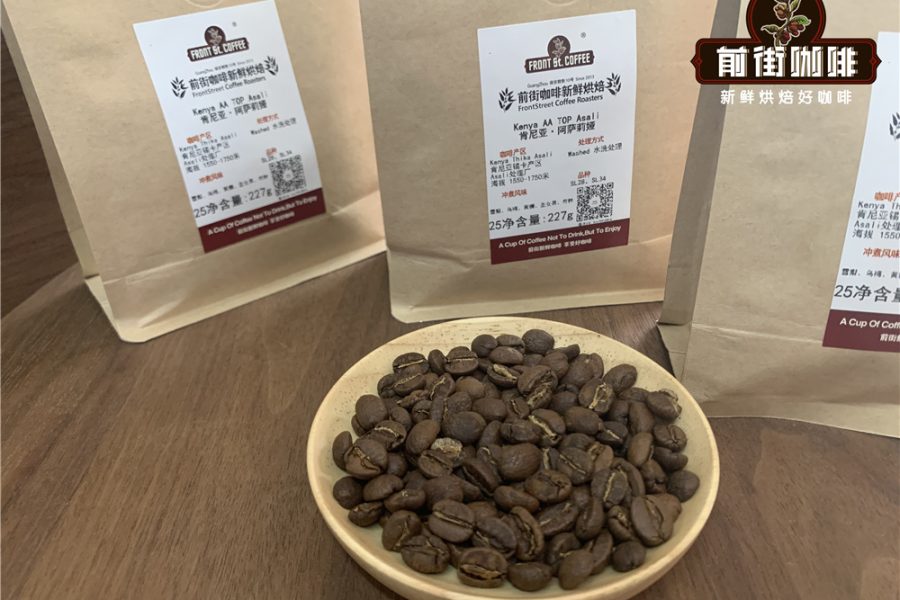
Introduction: As a star bean sought after by specialty coffee lovers worldwide, Kenya AA is known for its bright fruit acidity and complex layers. This article takes an in-depth look at Kenya AA's flavor characteristics, grading standards and core differences from PB coffee beans, and offers professional cupping parameters and home brewing suggestions to help you buy precisely and unlock the best flavor performance of this highland-famous bean.
Grown in Kenya's highland regions, AA-grade coffee beans are known for their full, mellow body and bright citrus notes. Its flavor layers often carry a vinous, mellow finish, with the aftertaste interwoven with the fresh acidity of berries and citrus; this unique balance of taste makes it a benchmark in the evaluation systems of coffee professionals. Unlike the single sweetness of ordinary commercial beans, Kenya AA shows a delicate harmony in the interplay between acidity and body.
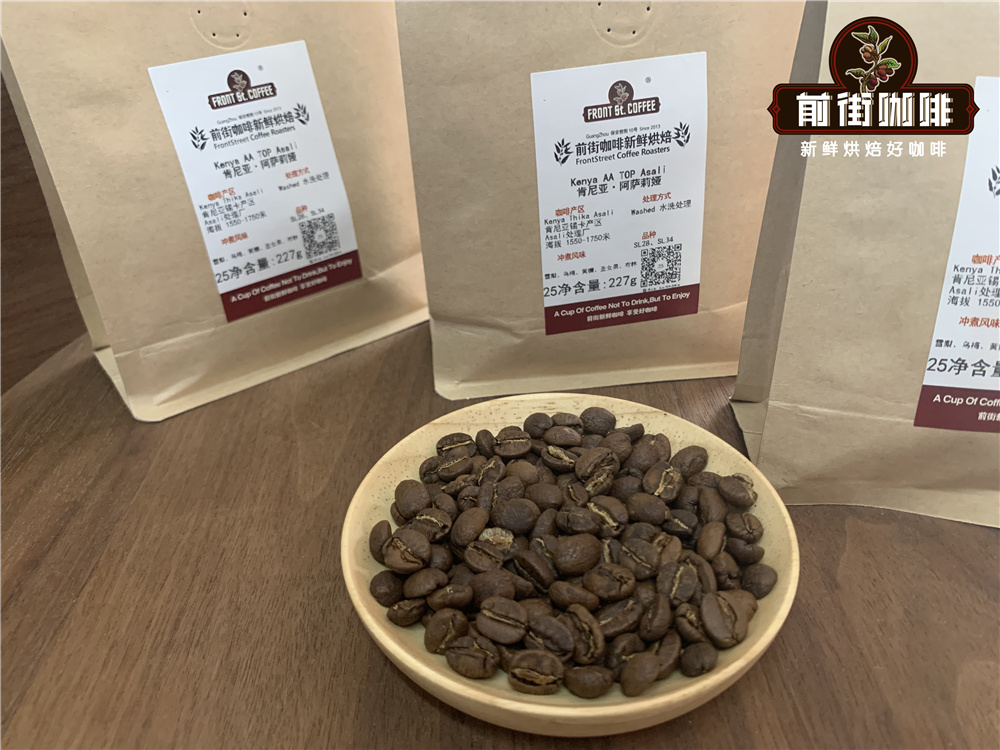
The grading system set by the Kenya Coffee Association screens strictly by bean size and defect rate: AA grade corresponds to screen size 21 (7.2 mm diameter), requiring a qualifying retention rate on an 18-mesh screen; such beans are generally 15%–20% larger than common commercial beans. In the grading sequence, E grade (elephant beans) is the largest in size but scarce in yield, PB (peaberry) has a unique flavor due to density differences, and AA grade, with its stable high quality, is the mainstay of market circulation. It is worth noting that although AB grade is slightly smaller (screen size 18), it is often a quality substitute when AA is out of stock.
The high-altitude growing environment (usually above 2000 meters, about 6600 feet) is the key factor creating Kenya AA's excellent quality. The slow growth cycle allows the coffee cherries to fully accumulate sugars, and together with the genes of Kenya's distinctive Red Bourbon and SL28 varieties, a richly layered flavor profile is ultimately formed. Strictly enforced SHG (Strictly High Grown)/SHB (Strictly Hard Bean) standards ensure that every coffee bean gets a longer period of nutrient accumulation during ripening.
Market prices are affected by multiple variables: supply and demand fluctuations in international futures markets, changes in shipping costs and climate conditions at origin all cause retail prices to fluctuate seasonally. Professional roasters recommend small-batch purchasing (such as a 200–300 g sample roast) for cupping verification, focusing on extraction performance at 92–96°C water temperature—this range highlights its signature berry acidity and black tea finish. For bulk purchasing, note that green bean moisture content should be kept in the ideal range of 11.5%–12.5%.
The essential difference between Kenya AA and PB coffee beans lies in bean morphology: AA is a normally developed two-half bean, while PB is a rare single round ovule in the coffee fruit, with higher density, and the concentrated flavor brought by that density often carries more prominent nutty notes. Although the two may come from the same batch of coffee cherries, PB, because it is difficult to screen, usually accounts for no more than 5%, and its price is often 20%–30% higher than regular AA grade. For home roasting, it is recommended to use a medium roast for AA grade (drop at the dense stage of first crack), which better preserves its bright acidity structure.


