How to Choose Coffee Beans for Cold Brew: Colombia vs Kenya Flavor Guide
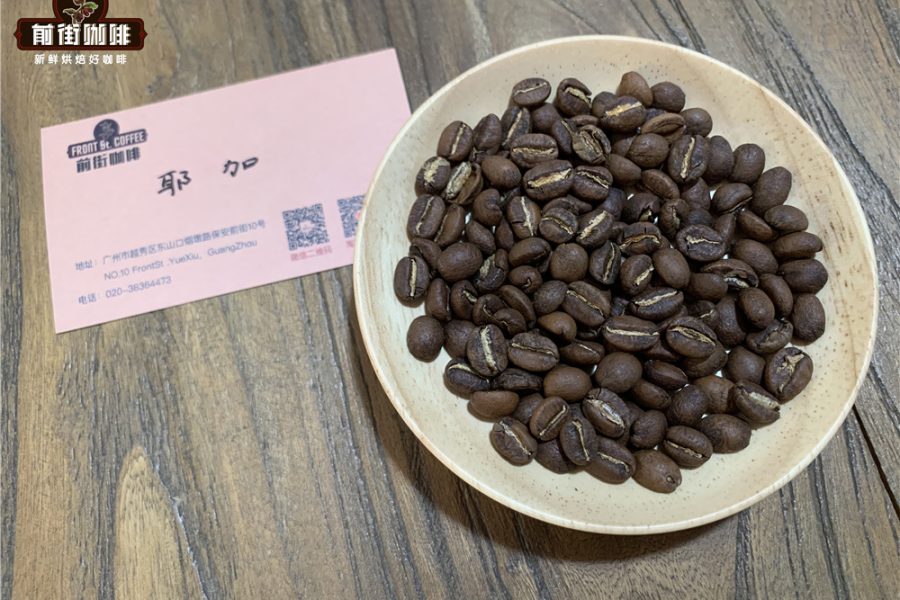
Introduction: Choosing coffee beans suitable for cold brew requires balancing flavor expression and extraction characteristics. This article explains in detail the special effects of low-temperature slow extraction on coffee flavor, compares the flavor differences of mainstream producing regions such as Colombia and Kenya, and analyzes how different processing methods shape the taste of cold brew. Through professional parameter analysis and hands-on testing experience, it helps coffee enthusiasts find the cold brew bean choice that best suits their personal taste.
Cold brew coffee completes extraction by extending the cold-water steeping time (usually 12-24 hours). This low-temperature slow extraction method can extract about 70%-80% of the soluble substances in coffee, but limited by the water temperature (4-12°C recommended), the release efficiency of acidic substances and aromatic substances is about 40% lower than that of hot brewing. Therefore, cold brew generally presents a softer acidity curve, and the bitterness threshold is correspondingly raised, which creates a unique advantage for highlighting coffee's nutty notes, sweetness layers, and full-bodied texture.
For beginners trying cold brew for the first time, it is recommended to start with medium-roast beans from the Colombia Huila region—these beans generally have a balanced nutty-chocolate base, with acidity stable in the pH 5.8-6.2 range, and combined with the cold brew process can perfectly display the toffee sweetness brought by caramelization reactions. In contrast is Brazil Santos coffee, whose low-acidity characteristics (pH 6.0+) and high body are more suitable for consumers who prefer a rich mouthfeel, but whose flavor complexity is relatively weaker.
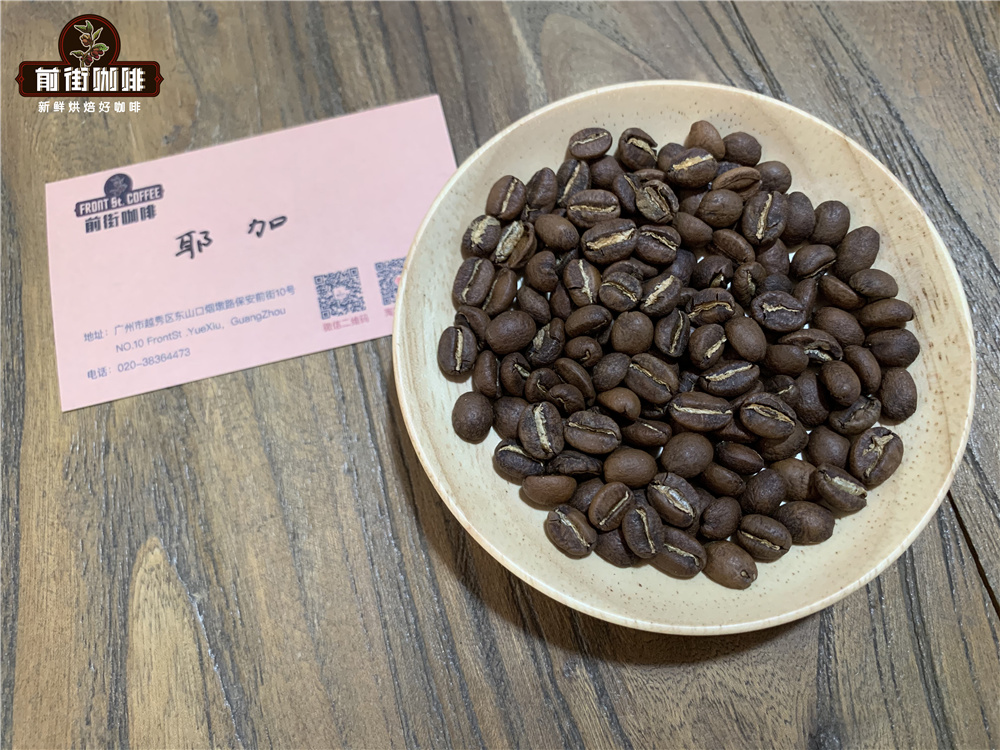
African coffees show distinct regional characteristics in cold brew scenarios: Ethiopia Yirgacheffe (grown at 1750-2000 meters above sea level), although famous for its bright citrus acidity when hot brewed, under cold brew conditions its unique jasmine aroma and blueberry notes transform into more subtle honeyed sweetness, and combined with its medium-light body (1.15-1.25g/ml), form a clearly layered flavor structure. Kenya AA-grade coffee (regional altitude 1700-2100 meters), because it contains a higher proportion of phosphoric acidity, can still retain its signature tomato acidity and blackcurrant flavors during cold brew, but note that its higher density (about 0.85g/cm³) may require adjusting the grind to a state 10-15% finer than for hot brewing.
Based on the characteristics of different regions, cold brew parameter optimization suggestions are as follows: when processing Colombian beans, use a 1:15 coffee-to-water ratio (by weight), with the grind setting recommended between medium-fine and fine sugar (70-75% passing through a No. 20 sieve); when processing Kenyan beans, the coffee-to-water ratio can be adjusted to 1:12 to enhance flavor impact, while extending the extraction time to 24-30 hours. It is worth noting that all cold brew recipes should avoid using distilled water; filtered water with a TDS value of 50-100ppm is recommended to ensure ion balance.
Southeast Asian coffees are also worth attention in the field of cold brew: Sumatra Mandheling (regional altitude 1100-1500 meters), because of its heavy body (1.30-1.40g/ml) and unique herbal-earthy aroma, can present a dense mouthfeel similar to dark chocolate after cold brewing, and is especially suitable for adding a small amount of sea salt (about 0.5g per liter of extract) to balance the body. For this type of bean, coarse grinding (similar to coarse sugar) and a shortened extraction time of 16-20 hours are recommended to prevent the appearance of woody flavors caused by over-extraction.
In practice, professional baristas often use the "flavor wheel comparison method" to evaluate cold brew results: the ideal cold brew expression of Colombian beans should include a balanced combination of nuts (35%), caramel (25%), dark chocolate (20%), and faint citrus (15%); Kenyan beans pursue a composite structure of blackcurrant (40%), tomato acidity (25%), black tea sensation (20%), and winey aroma (15%). By regularly recording the cold brew parameters and flavor feedback of different batches of beans, a personalized bean list database can be gradually established.


