Yirgacheffe Natural vs Washed: Flavor Differences and Pour-Over Guide
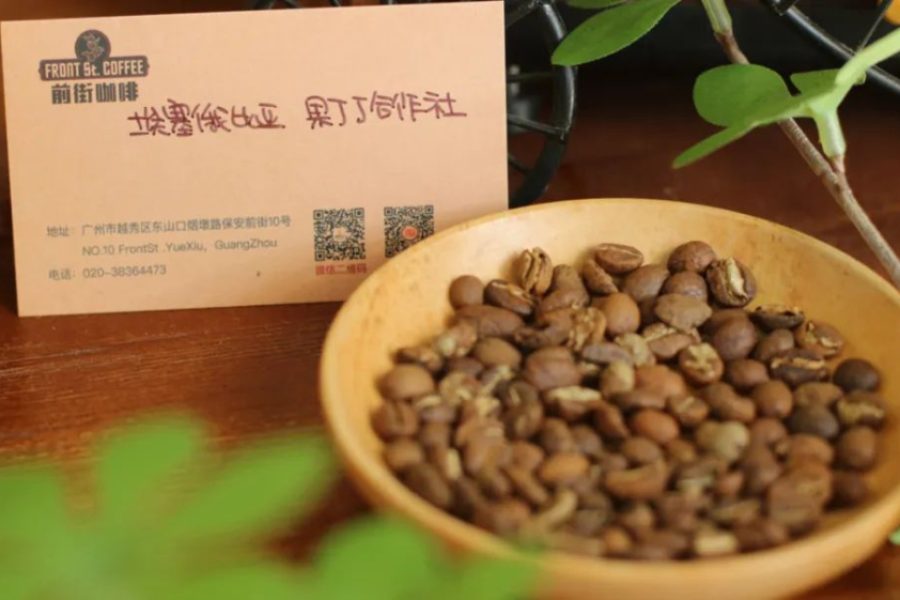
Introduction: Ethiopia's Yirgacheffe region is known for its distinctive fruit acidity, and natural and washed processing create very different flavor experiences. This article compares two G1 Yirgacheffe coffees (Natural Red Cherry and Washed Gedingding), detailing the acidity and sweetness layers and body differences between beans grown at 2,300 m and 2,000 m, and provides professional pour-over parameter suggestions to help you choose the best coffee beans for your taste preferences.
 Arabica coffee beans from Ethiopia's Yirgacheffe region have become a global specialty coffee benchmark thanks to their signature bright fruit acidity and floral and fruity aromas. Coffee grading in this region uses defect rate as the core standard, with G1 grade requiring a defect rate of ≤3% as the highest grade; G2 allows a slightly higher defect rate. This article focuses on G1-grade beans from two classic processing methods—Natural Red Cherry and Washed Gedingding—analyzing them across growing altitude, processing method, and flavor performance.
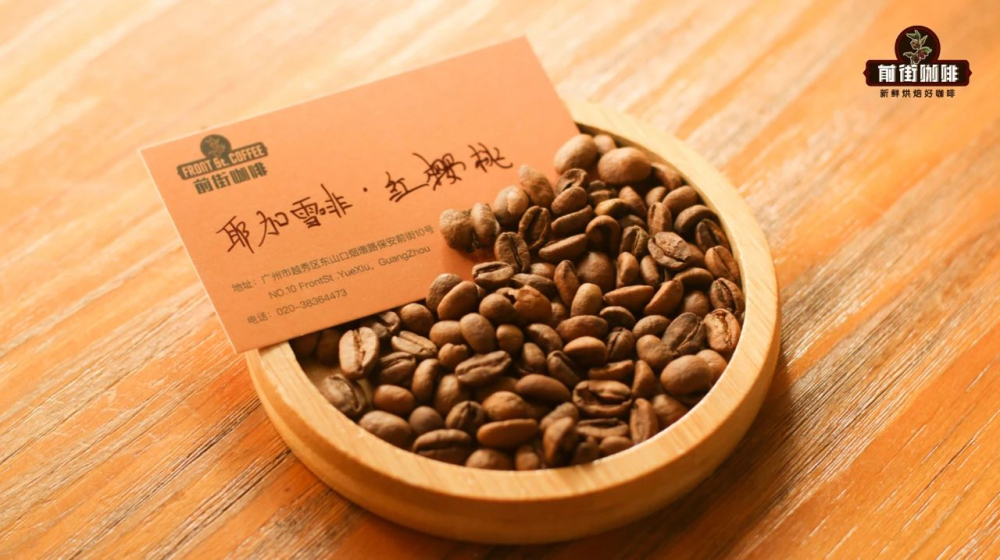 Natural Red Cherry beans grown at 2,300 m use the traditional raised-bed drying method, with whole coffee cherries dried in their husks for 12–15 days. This process preserves the complete fruit-pulp fermentation, giving the coffee complex flavors of berries, light floral notes, and lemon, with bright acidity and a slight fermented wine aroma. It is especially suited to cold brew to release sweetness; for pour-over, 92–94°C water and a 1:15 coffee-to-water ratio are recommended to highlight the floral and fruity character.
The natural process, the oldest coffee processing method, requires strict control of the drying environment to avoid moisture from the ground. High-quality natural beans need to be turned 3–4 times a day to ensure even heating, and the final beans appear dark brown, oily, and glossy. Their body is noticeably higher than that of washed beans, but cleanliness is slightly lower, making them suitable for drinkers who prefer rich fruit flavors.
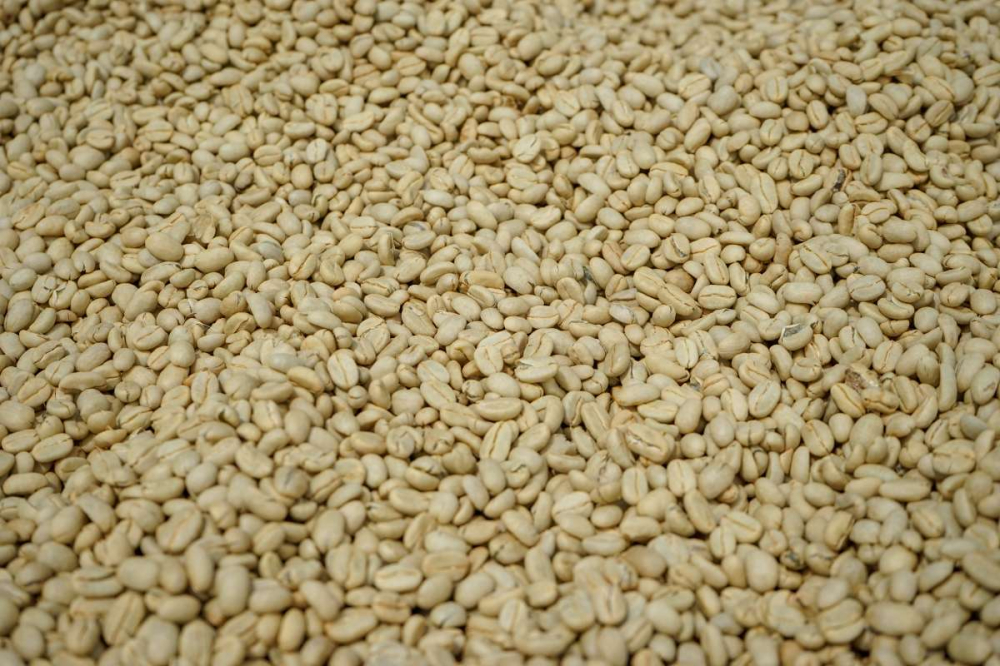
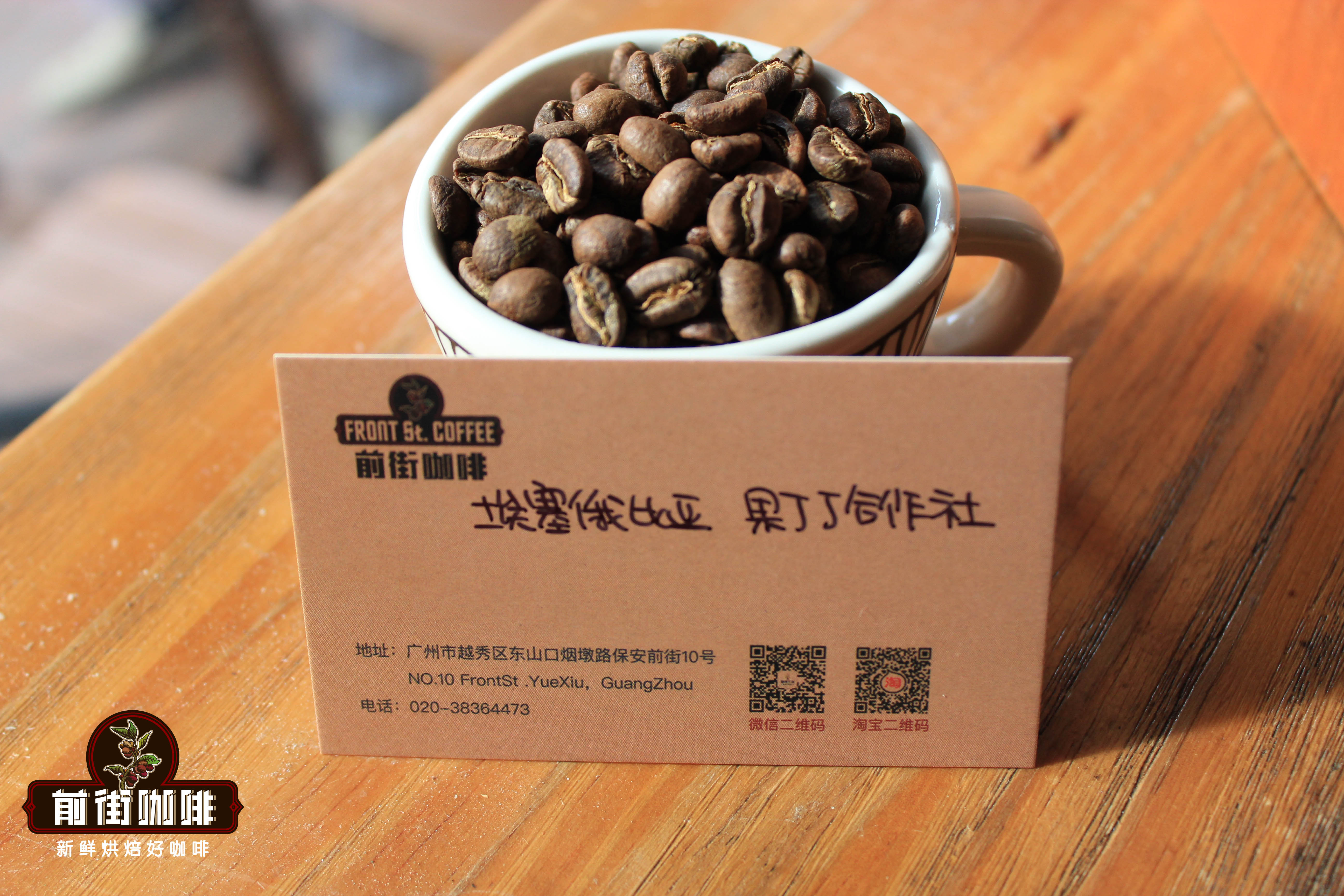 Washed Gedingding beans grown at 2,000–2,100 m undergo strict selection by the cooperative before the mucilage removal step. They are fermented in water tanks to remove the mucilage, then dried on raised beds to a moisture content of 11–12%. This process creates fresh flavors of jasmine, citrus, and honey, with lively acidity and a tea-like finish, and is especially suited to showcasing Yirgacheffe's regional character.
Modern washed processing originates from techniques improved in Central and South America; Ethiopian producers have optimized fermentation time (usually 18–36 hours) and drying curves to increase brightness by more than 30%. For pour-over, a V60 dripper is recommended, with 88–90°C water and a medium-fine grind to better present the citrus character.
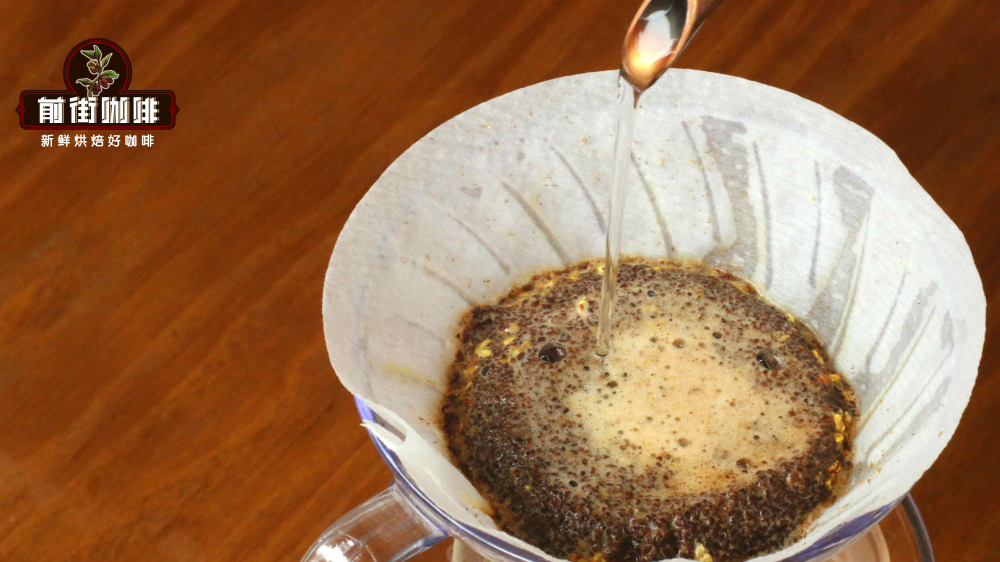 The core difference between natural and washed lies in the fermentation stage: the former relies on natural fermentation of the whole fruit to produce complex compounds, while the latter precisely adjusts acidity by controlling mucilage fermentation. Professional cupping shows that natural beans generally have 15–20% higher sweetness, while washed beans score an average of 8–10 points higher for cleanliness.
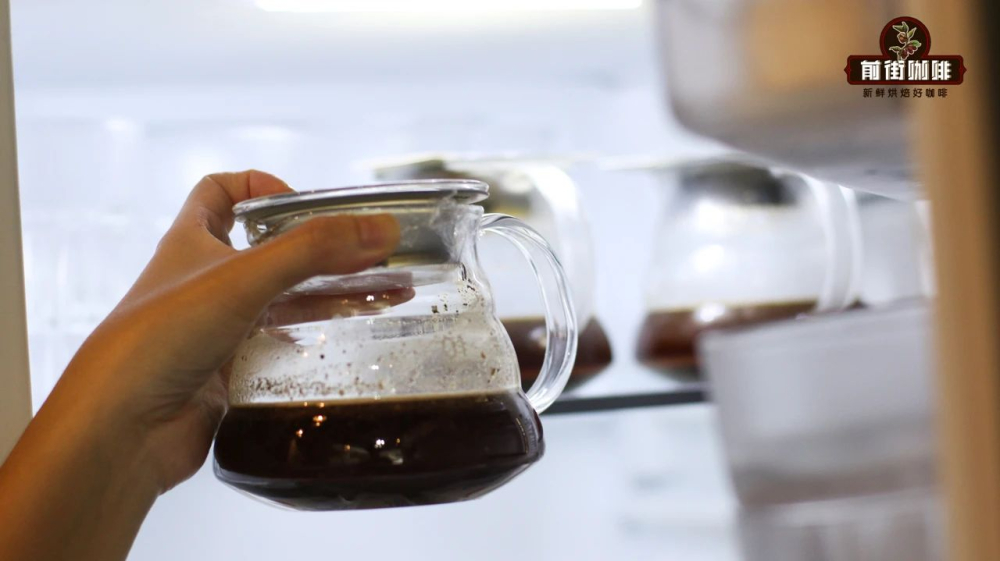 Buying advice: choose natural beans for an explosive tropical-fruit experience, and washed beans for a fresh, floral-tea-like experience. For storage, keep beans sealed and away from light, and before grinding make sure the bean temperature is in balance with the environment to avoid loss of aroma.
 Advanced tips: for natural beans, try a French press and extend the immersion time to 4 minutes to enhance the full body; for washed beans, pair with a cold-drip device to better capture the citrus finish. For both beans, keep the roast level at light to medium; over-roasting will mask their original flavor characteristics.


