Finca Montblanc Hanami Blend: Single-Origin Definition and Pour-Over Guide
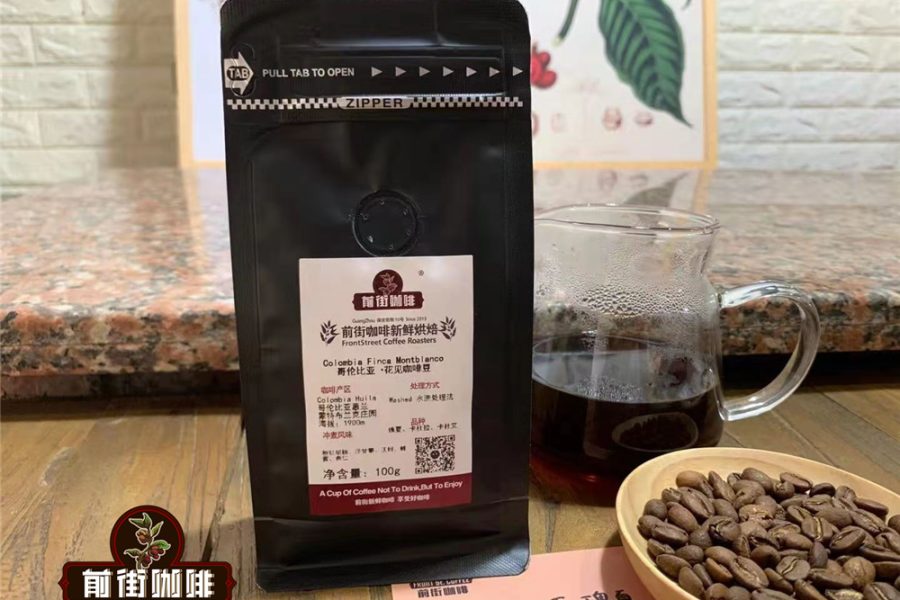
Introduction: This article examines in depth whether Finca Montblanc's Hanami blend coffee falls within the single-origin category and offers brewing parameter recommendations for its professional roast profile. From the characteristics of Colombian growing regions to the flavor expression of the Gesha blend, this article will help coffee enthusiasts master precise extraction techniques for medium-light roasted beans and unlock a drinking experience where pink pepper and honey layers coexist.
Colombia, an important producing region for high-quality Arabica coffee worldwide, depends heavily on its unique geography for coffee cultivation. More than 90% of the country's coffee comes from three mountain ranges in the west that run parallel to the Pacific Ocean, where altitudes of 900-2000 meters combine with volcanic soil and abundant rainfall to create golden conditions for Arabica growth. The country's 22 coffee-growing areas are divided geographically into northern, central and southern zones, with the central and southern zones contributing the main volume of production, while the northern and southern zones are better suited to organic farming due to natural soil conditions—although organic coffee currently accounts for less than 5% of the total, its growth rate in recent years has been significant.
In terms of regional subdivision, the southern equatorial region, with its extreme altitude of 2300 meters, fertile volcanic soil and humid valley air currents, produces medium-to-high acidity coffees with bright acidity and fresh aroma; in contrast, the lower-altitude areas of 1000-1600 meters in the northeastern Andes produce coffees with balanced acidity and sweetness, chocolate notes and soft sweet aromas. This diversity provides a rich base for blend creation.
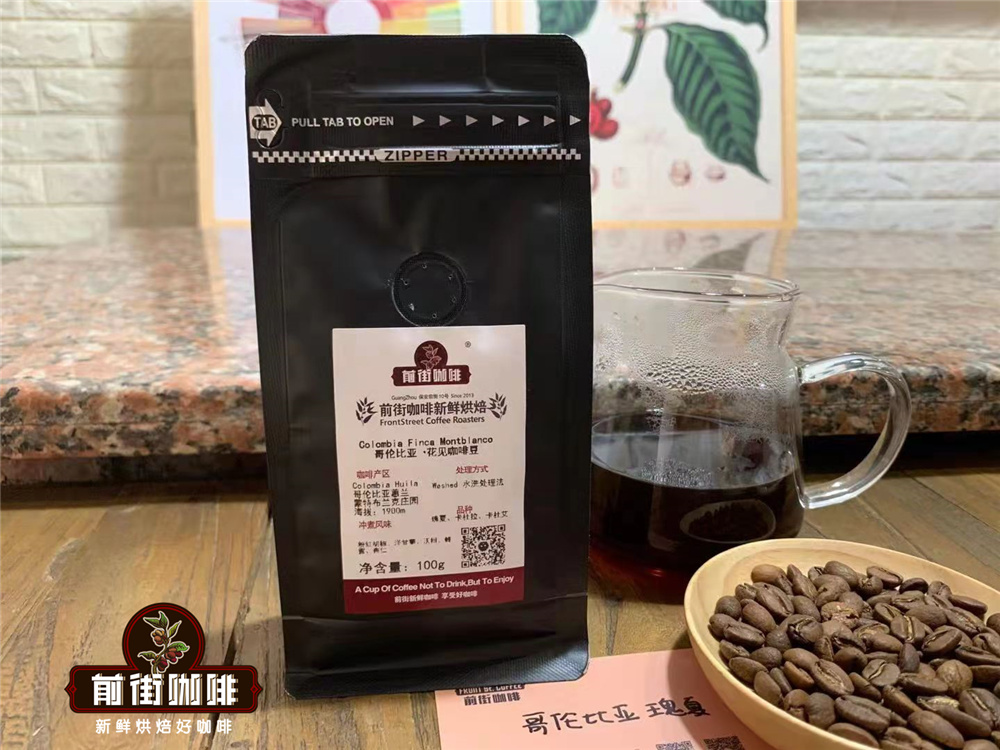
Finca Montblanc, located on Vereda La Tocola mountain road in the municipality of Pitalito, has been run by the Rodrigo Sanchez Valencia family for generations. This 18-hectare estate sits atop a hill, relies on abundant water sources and complete washed-processing facilities, and mainly uses the traditional washed method and derivative specialty processing techniques. Its "Hanami" blend beans, although a mixture of three varieties—Gesha, Caturra and Catuai—still meet the core definition of single-origin coffee, namely coffee beans produced from a single region or estate (a single variety is not required), so this product is a typical estate-level single-origin blend.
Given the higher moisture content of green beans in the new crop season, professional roasting recommends a strategy of extending the dehydration phase to ensure the bean surface and core are heated evenly. To highlight the sweetness, acidity and floral-fruity aromas of this blend, a medium-light roast level is recommended (Agtron approximately 65-70/55-60), which preserves the delicate floral notes of the Gesha variety while balancing the body of Caturra and the citrus notes of Catuai.
Recommended brewing parameters: use 15 grams of coffee, 92-94°C water temperature, and a medium-fine grind (approximately 75-80% passing through a Chinese standard No. 20 sieve). A three-pour method is recommended: the first pour of 30ml of water for a 30-second bloom, the second pour in circles until the water level reaches 125ml, then pause for 30 seconds, and finally a slow pour to 225ml to complete extraction (total time 2 minutes 10 seconds to 2 minutes 30 seconds). With these parameters, the coffee clearly presents the spicy top notes of pink pepper, the herbal middle notes of chamomile, the sweet core of mandarin and honey, and a gentle almond finish.
Notes: If using a conical dripper (such as a V60), it is recommended to increase the initial pour flow rate to promote degassing; if you prefer brighter acidity, adjust the grind 0.5 step finer and shorten the total time by 10 seconds; when storing, keep the one-way degassing valve on the bag facing up and avoid light and humid environments.


