Drip Bag Iced Coffee Guide: Bean Selection to Brewing

Introduction: Craving iced coffee on a hot summer day but only have drip bags on hand? This article explains in detail how to make refreshing iced drinks with drip bag coffee, from choosing the right roast level for iced extraction and recommended popular flavor types to precise water temperature control and coffee-to-water ratio adjustments. Through shared tested parameters, it helps you brew a layered, rich iced drip coffee at home, solves the problem of concentration loss caused by ice dilution, and includes detailed step-by-step illustrations.
Drip bag coffee is a convenient brewing format in which freshly ground coffee is pre-packaged in a filter bag; all you need is hot water and a container. When turning drip bags into iced coffee in summer, pay attention to how roast level affects flavor—dark roasts tend to amplify bitterness, while medium-light or medium roasts better highlight a cool, sweet-tart character and are more suitable for iced drinks.
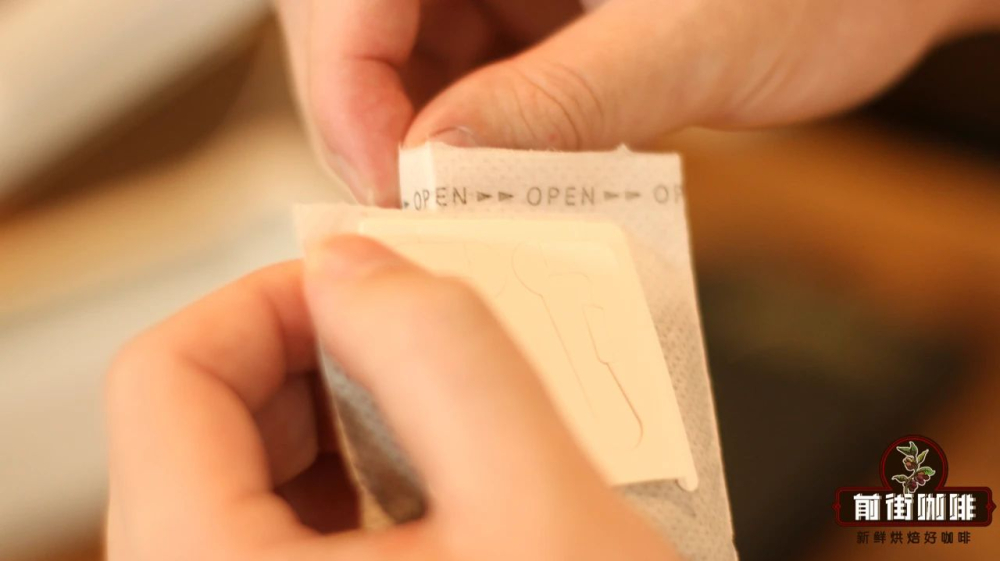
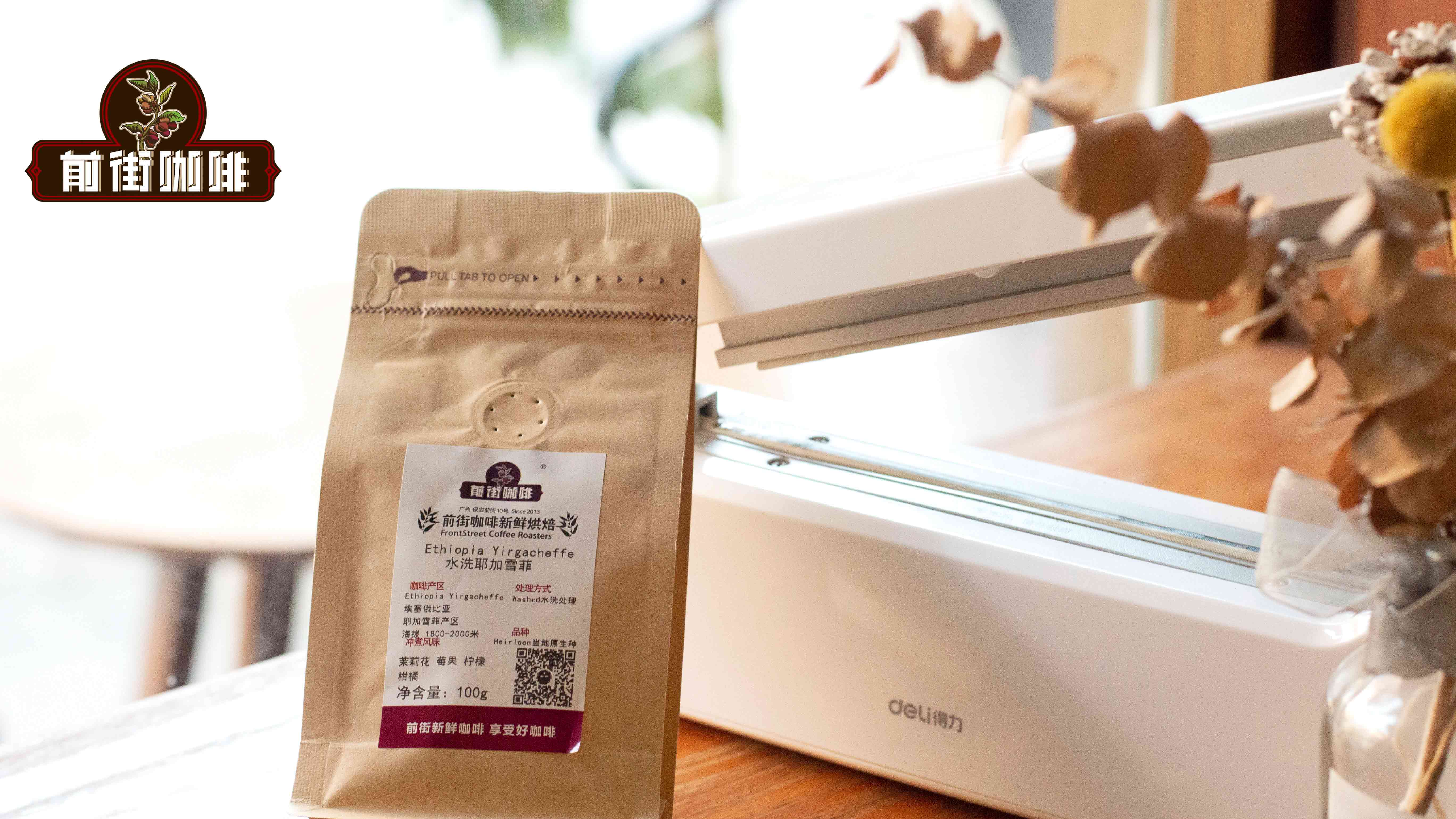
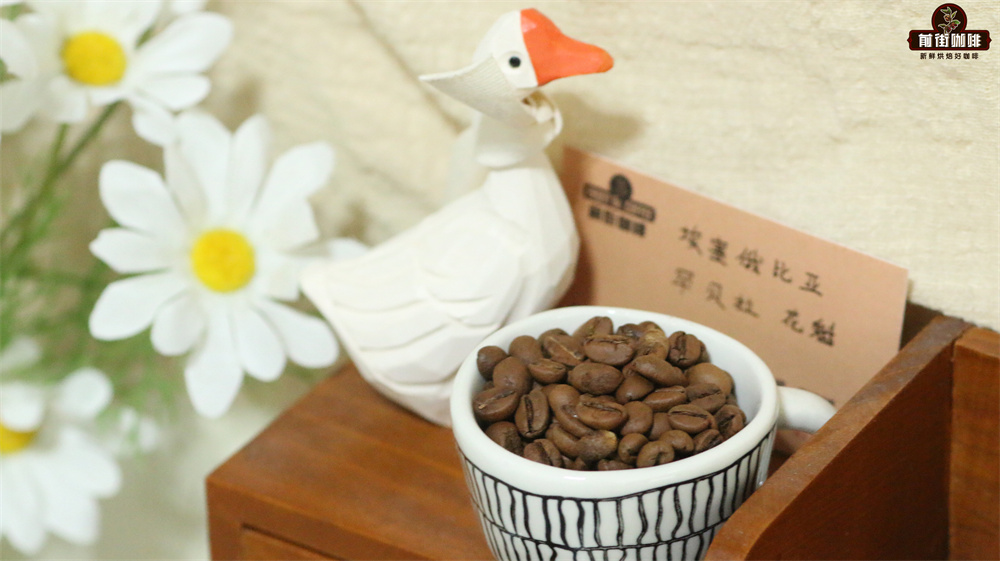
When choosing drip bags for iced extraction, if you prefer a fresh floral profile, prioritize beans with the washed process; these coffees often carry jasmine and citrus aromas, are soft on the palate, and finish with a tea-like sweetness. For those seeking an explosion of fruitiness, beans with the natural process are recommended; their tropical fruit flavors (such as mango and guava) are more pronounced, with high sweetness-acidity balance that reduces sensitivity to bitterness.
The principle behind iced drip coffee derives from pour-over iced coffee techniques, and the core is balancing the dilution caused by melting ice. Traditional solutions reduce the amount of water poured or grind finer, but pre-ground drip bag coffee cannot have its particle size adjusted again, so the focus must be on dynamic control of water temperature and coffee-to-water ratio.
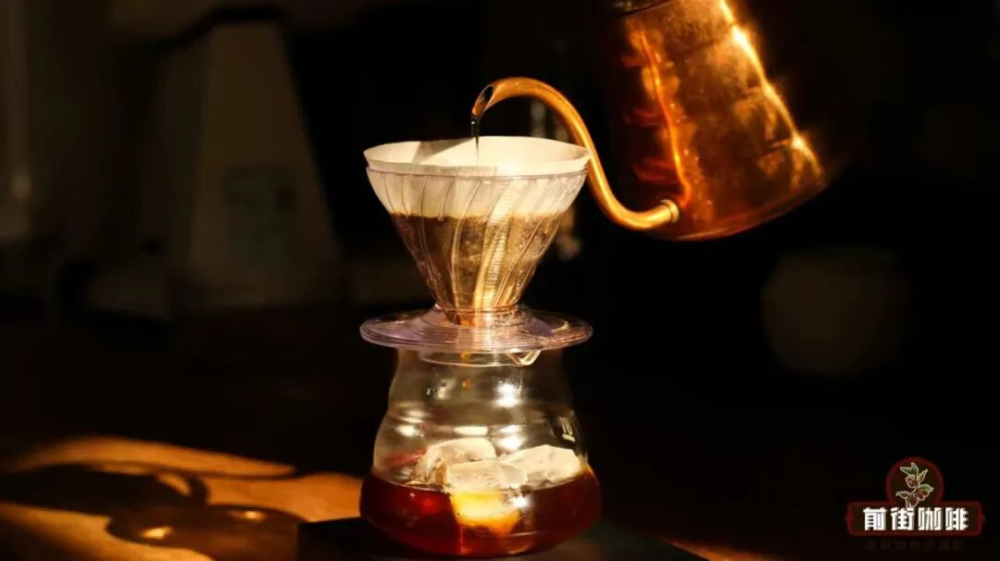
The tested, effective procedure is as follows: prepare a high-capacity cup (a short cup also works) and pre-fill the bottom with ice (40%–50% of total liquid volume). Hang the drip bag on the rim of the cup, then use a high-temperature, fast-extraction strategy—for dark roast beans, use 90°C water; for medium-light roasts, raise it to 93°C. First pour 20ml of hot water for a 25–30 second bloom to awaken the coffee grounds.

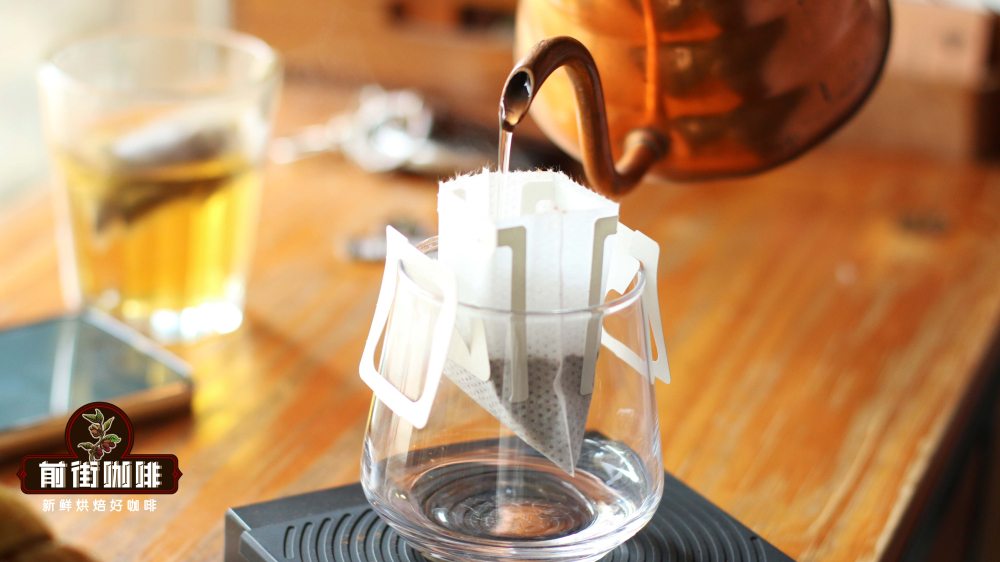
Then pour the remaining 80ml of hot water in four additions, 20ml each, slowly in a circular motion, making sure each pour fully penetrates before adding the next. This staged pouring method effectively extends extraction time and compensates for insufficient contact caused by the reduced water volume. After all the hot water has dripped through, remove the drip bag and stir the liquid in the cup thoroughly so the ice melts and mixes evenly, yielding iced coffee with stable concentration.
Key parameters summary: a standard single 10g bag corresponds to a total liquid volume of 160ml (100ml hot water + 60g ice); adjust the amount of ice slightly to taste. Avoid brewing directly with boiling water; high temperatures tend to strip acidity and increase astringency, so precise temperature control is key to preserving flavor layers.