Yirgacheffe Red Cherry vs Gudingding: Cold Brew Guide
Introduction: In hot weather, refreshing cold brew coffee becomes the first choice for many coffee lovers. Coffee beans from the Yirgacheffe region are often recommended for cold brew because of their unique flavor. This article details the differences between two representative coffee beans from this region—Red Cherry and Gudingding—including their origin characteristics, processing methods and flavor profiles, and provides practical cold brew brewing parameters to help you easily make a cup of distinctive iced coffee at home.
When the temperature exceeds 25°C, refreshing iced coffee becomes a great way to beat the heat, and cold brew, with its simple operation and low equipment requirements, has become a popular choice for home brewing. All you need is quality coffee beans to easily enjoy refreshing iced coffee. Among the many bean types, coffee beans from the Yirgacheffe region of Ethiopia are particularly suitable for cold brew thanks to their bright acidity and rich fruity aroma.
Yirgacheffe is not only a well-known coffee region but also a small town, and it is further divided into multiple sub-regions and villages, each producing coffee with its own characteristics due to differences in microclimate and processing techniques. Among them, coffee produced in Gudingding village is known for its delicate floral and fruity notes. Part of the production there comes from experienced cooperatives, with mature techniques and more outstanding flavor performance.
Coffee from the Gudingding region is usually given a medium-light roast to highlight its fresh flavor. This type of coffee often gives off the acidity and aroma of passion fruit, citrus and berries; on the palate you can feel clear citrus acidity and berry sweetness, accompanied by moderate almond notes and a soft tea-like quality, with a finish that often carries honey sweetness. The overall body is on the lower side, with bright, clean and refreshing acidity, making it particularly suitable for iced cold brew, where it can show delicate layers of fruit acidity at low temperatures.
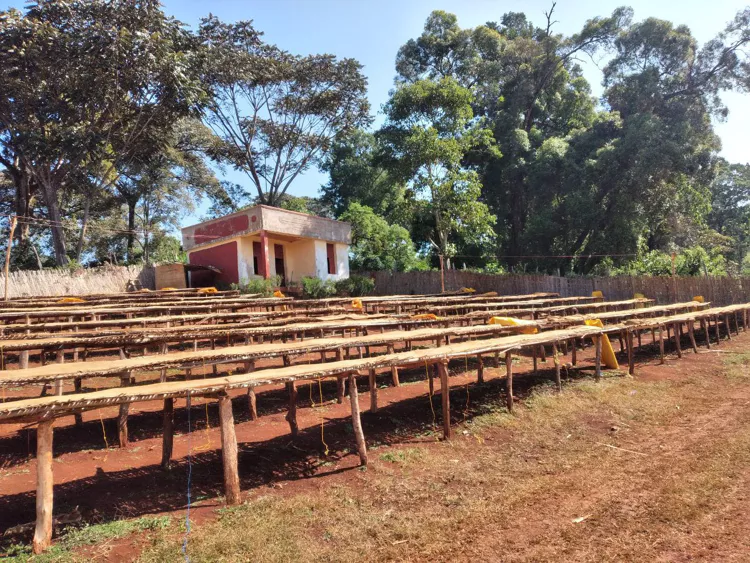
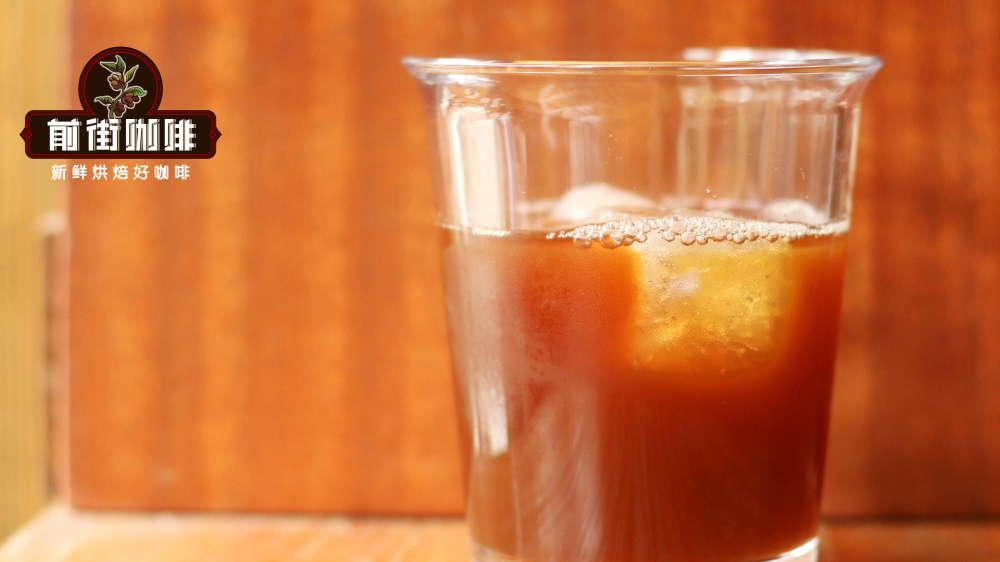
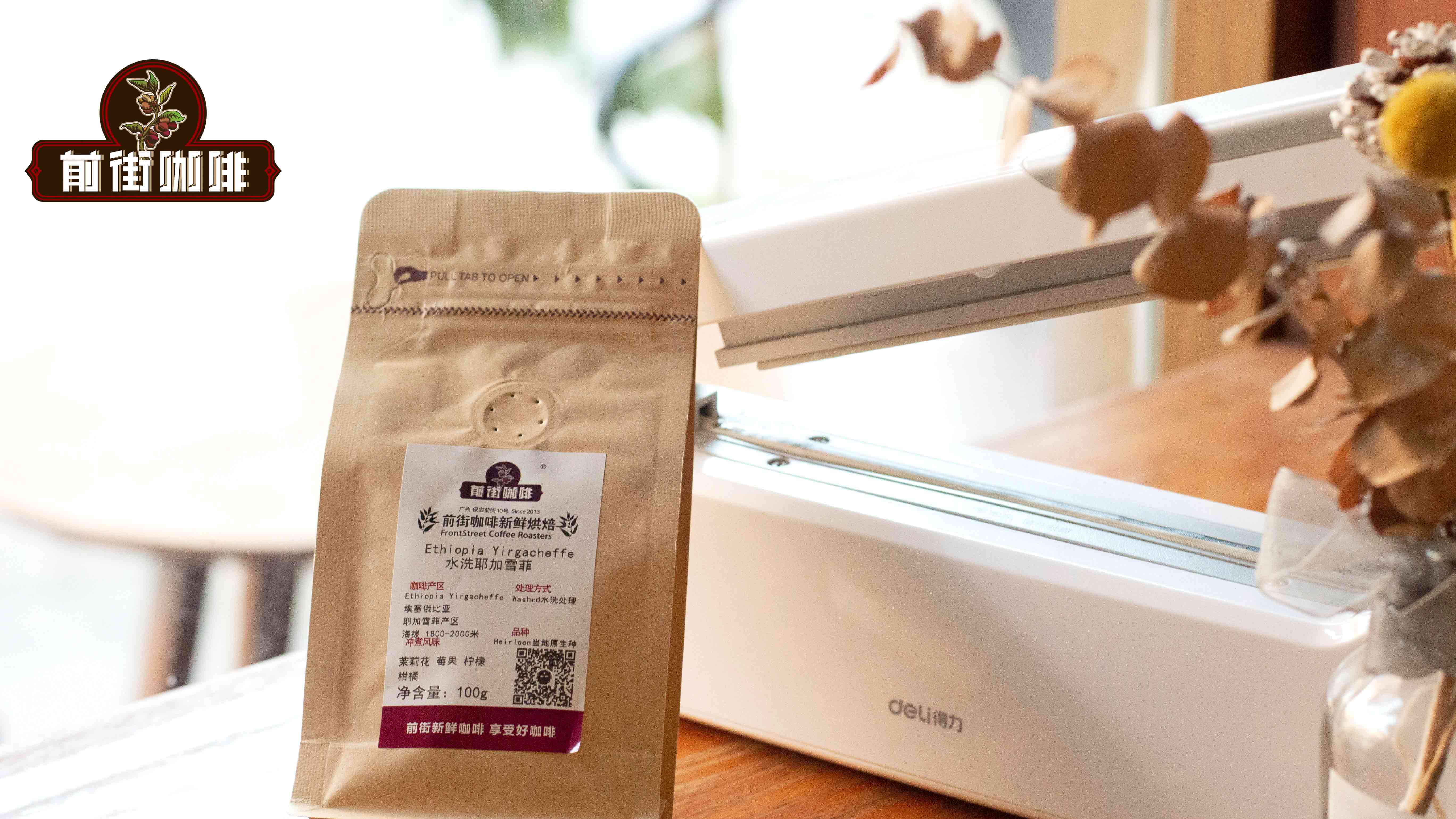
This coffee bean from Gudingding village grows on the highlands at an altitude of 1900-2300 meters, uses local heirloom varieties, and is processed by the washed method. Its flavor keywords usually include jasmine, green tea, cream, honey, berries and citrus, presenting a fresh floral-tea character, suitable for consumers who like a refreshing taste.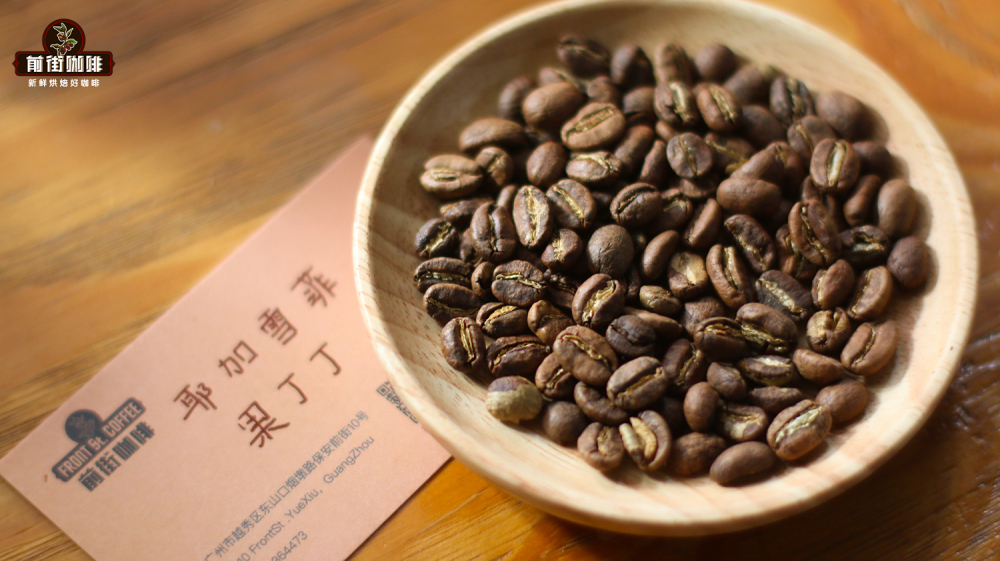
Besides Gudingding, the Yirgacheffe region has another quite representative processing method—natural (sun-dried), of which Red Cherry coffee beans are a typical example. This coffee uses ripe coffee cherries, naturally dried in the sun, retaining more pulp sugars and fermentation aroma, with a flavor more intense and layered than the washed version. It often carries distinct berry, lemon and strawberry flavors, as well as a unique fermented winey aroma, and its sweetness is relatively higher, suitable for coffee lovers who prefer intense fruitiness and fermented layers.
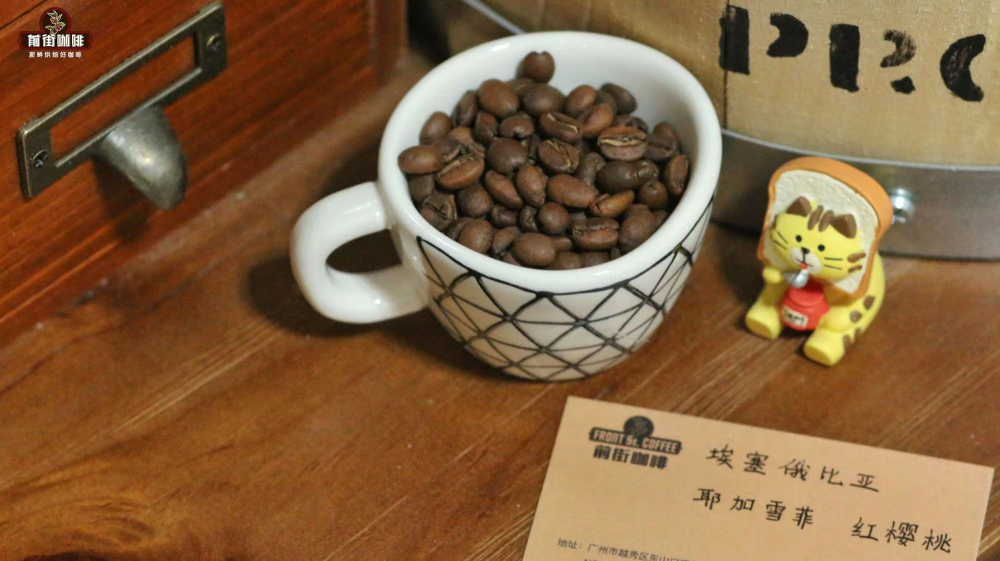
Red Cherry coffee beans also come from the Yirgacheffe region, grown at an altitude of about 2300 meters, using local heirloom varieties and the natural processing method. Its flavor is usually expressed as berries, lemon, strawberry and fermented winey aroma, bringing a full and layered taste experience.
For home users, making cold brew coffee is not complicated and does not require much professional equipment. All you need is a clean sealable container to get started. For grind size, a medium-fine grind similar to the fine sugar size used for pour-over is recommended. If you don't have a grinder at home, you can go to a coffee shop or ask the merchant to grind the beans for you when purchasing. Note that the freshness of the coffee beans has a big impact on cold brew flavor; it is recommended to choose beans shipped within 5 days of roasting to ensure the best flavor.

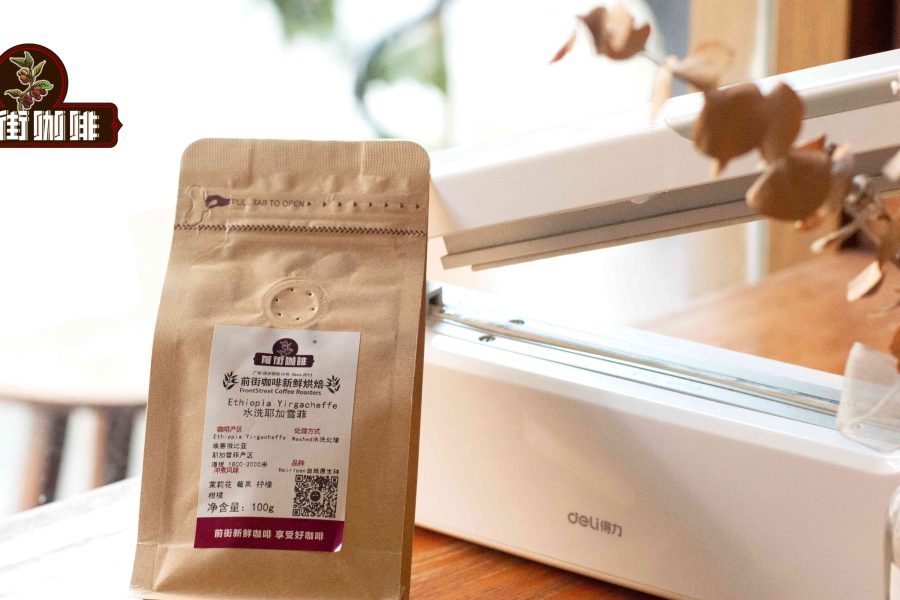
For the cold brew ratio, it is recommended to use 40 grams of ground coffee with 480 milliliters of room-temperature or ice water, a coffee-to-water ratio of about 1:12. Stir the coffee grounds and water thoroughly to make sure every coffee ground contacts the water, then seal and place in the refrigerator's cold compartment, with the low-temperature extraction time controlled at 8 to 12 hours. Too short a time may result in under-extraction, while too long a time easily produces an over-extracted bitter taste.
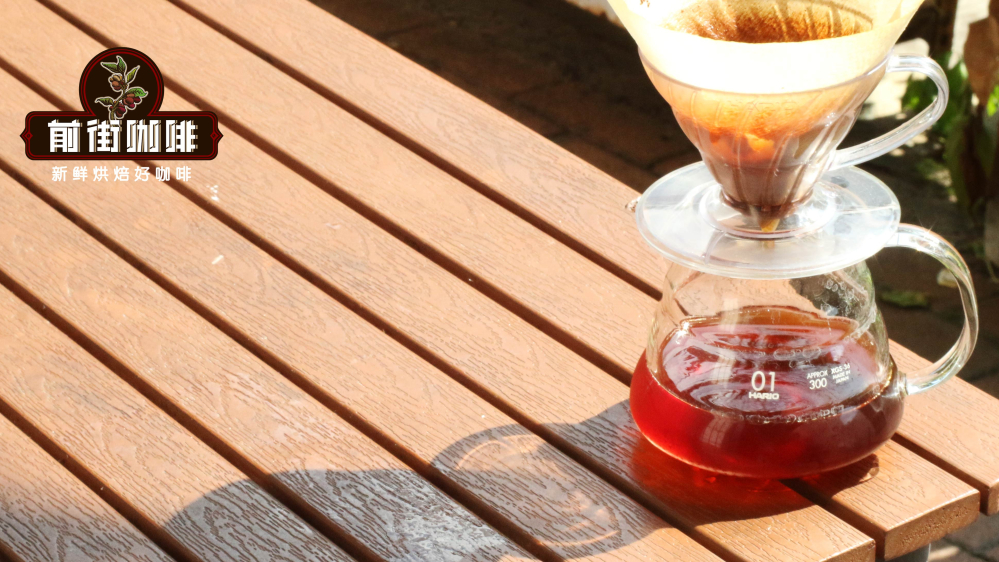
After extraction is complete, filter the coffee liquid through a dripper and filter paper, or use a high-density mesh filter, to obtain clear cold brew coffee liquid. The whole process is simple to operate and highly forgiving, so even beginners can easily make smooth, distinctive iced coffee.