Costa Rica Tarrazú Yellow Honey Coffee: Flavor and Pour-Over Guide
Introduction: This article takes you deep into yellow honey processed coffee from the Elsa processing plant in Costa Rica's Tarrazú region. From the growing environment and altitude to the variety's characteristics and the distinctive yellow honey process, it analyzes this coffee in detail. Along with rich flavor descriptions, it offers practical pour-over suggestions to help you better appreciate its syrupy body and mild acidity.
Costa Rica's Tarrazú region has long been renowned worldwide for producing high-quality coffee. Located at high latitude, the beans here are rich and mild in flavor; in particular, the region's coffee achieves outstanding quality through careful processing. Tarrazú is not only an important coffee-growing area in the country but also one of the premier regions in the minds of coffee lovers worldwide.
The Tarrazú region enjoys exceptional natural conditions. Its altitude reaches 1,750 meters, and the fertile volcanic soil drains well, providing an ideal environment for coffee trees. As early as 1729, coffee was introduced to Costa Rica from Cuba. After years of development, the country's coffee industry is now one of the best-organized and most productive in the world, with yields as high as 1,700 kilograms per hectare. Although Costa Rica has a population of only 3.5 million, it has as many as 400 million coffee trees, and coffee exports account for 25% of the country's total exports. In addition, the Central American Agricultural Research Institute (IAAC), based in Tarrazú, is an important international research center that also provides strong support for the local coffee industry.
In Costa Rica, altitude is crucial to coffee growing. The higher the altitude, the better the quality of the coffee beans tends to be. Higher altitudes not only increase the beans' acidity and enrich their flavor, but the low nighttime temperatures also slow tree growth, making the beans' flavor more intense. At the same time, the ample rainfall at high altitudes creates favorable conditions for coffee tree growth. The premium coffee here is called "strictly hard bean" and can grow above 1,500 meters. S.H.B. (Strictly Hard Bean) refers to coffee grown above 1,500 meters, representing high quality; it suits medium and dark roasts, has strong acidity and an alluring aroma, with plump beans, a clean flavor, bright acidity, ideal viscosity and a long finish.
Besides well-known coffees such as Juan Viñas and Turrialba, Sarchí coffee is also distinctive. It grows on the slopes of Poás Volcano, 53 kilometers from San José, an area famous for handicrafts that attracts many tourists. Costa Rica has a long history of coffee cultivation, and over the past decade or so, the "honey process"—a "dry" method—has become a new trend. By adjusting the degree to which the mucilage is scraped off with a depulper, different "honey" levels are produced, from light to dark in color, each with its own distinct flavor.
The Elsa processing plant introduced here is located in the Naranjo area of the West Valley region and is well known locally. The plant not only has its own coffee estate but also provides green coffee processing services for nearby estates and smallholders. This coffee is of the Caturra variety, graded S.H.B., and comes from the Tarrazú region at an altitude of 1,750 meters.
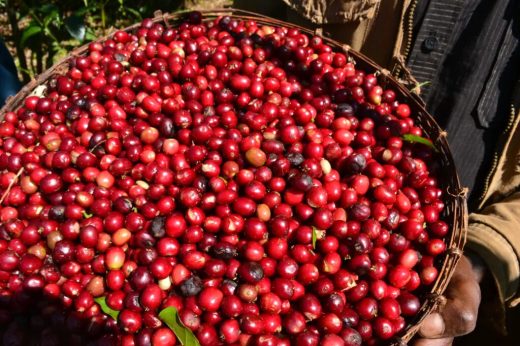
Its yellow honey process is distinctive. During processing, about 40% of the mucilage is removed; during drying, the beans need to absorb heat directly and fully, receiving plenty of sunlight, with the whole drying process lasting about 8 days until the moisture content reaches a stable level. This processing method gives the beans their unique flavor.
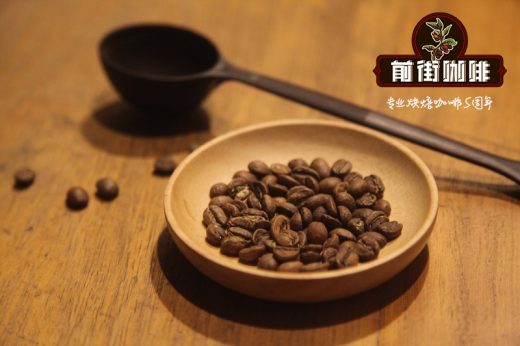
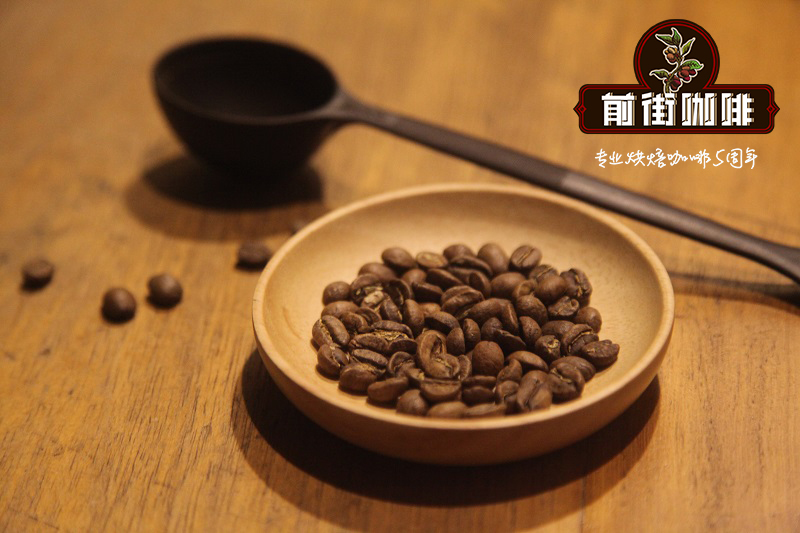
The cup profile of this coffee is rich and varied. It has notes of brown sugar, floral, almond, black tea, orange and sweet spices, with mild acidity, a syrupy, full body and a good finish. It has lively citrus flavors and blackberry-like fruit notes, solid acidity and body, a melon-like sweetness, a smooth mouthfeel, interwoven stone fruit and subtle floral notes, and a pronounced coffee blossom aroma in the finish—full of Latin country character.
For pour-over enthusiasts, this coffee also performs well in brewing. A medium grind is recommended, with water at 90–92°C and a coffee-to-water ratio of 1:15–1:16. Use a staged extraction: first pour a small amount of hot water for blooming to awaken the coffee grounds, then pour slowly, keeping the flow steady and avoiding over-agitation. This better reveals the coffee's rich flavors and full body.