Kenyan Coffee: From Colonial History to Specialty Flavor and Pour-Over Parameters

Introduction: Kenyan coffee is renowned in the global specialty coffee market for its bright acidity and berry notes, yet behind it lies a history of struggle from colonial plantations to an independent auction system. This article will take you through the origins and development of Kenyan coffee, explain the causes of its unique flavor, and provide a professional pour-over recipe to help you fully experience the charm of this classic bean.

Among specialty coffee enthusiasts, flavor preferences often show clear divisions: those who pursue full body and low acidity often choose Mandheling or Brazilian beans, while consumers who prefer fresh acidity are particularly fond of Kenyan coffee. The latter is often described as having a bright acidity similar to cherry tomatoes, accompanied by rich layers of berry flavor, and this unique character makes it a collector's first choice for coffee connoisseurs.

Although it borders Ethiopia, the birthplace of coffee, Kenya's coffee-growing history began only in the late 19th century. According to authoritative coffee literature, French missionaries first introduced coffee trees from Réunion Island to the country in 1893, and the first harvest came three years later. It is worth noting that Kenya was then the "East Africa Protectorate" under British colonial rule, and coffee cultivation was strictly limited to large estates run by colonists; local residents were forbidden to grow it privately, and all output had to be shipped to Britain for sale.
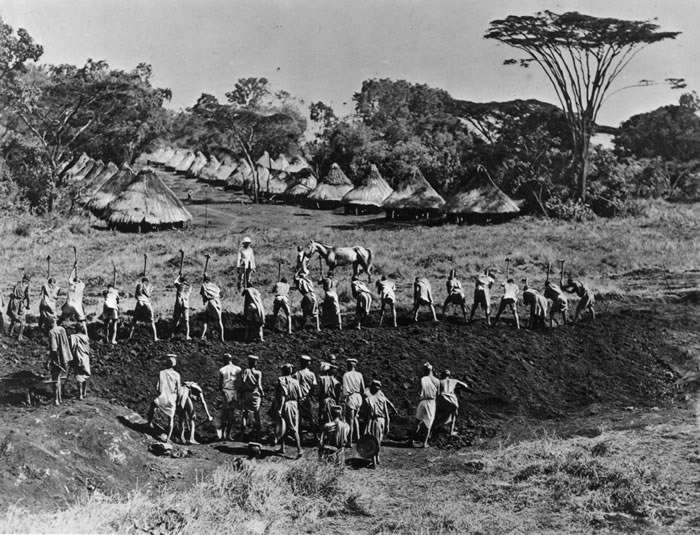
The turning point for the industry came in 1933, when the establishment of the Kenya Coffee Board marked the return of local control over coffee management. The auction system established the following year became an important milestone for the industry—the first auction held in the capital, Nairobi, in 1935 laid the foundation for a trading model that continues to this day. Today, the coffee exchange auction held every Tuesday continues to drive quality improvement through a transparent mechanism that provides cupping samples to licensed traders and allows open bidding.

Post-World War II land reform injected new vitality into the coffee industry. Agricultural legislation enacted in the early 1950s allowed family farms to legally hold agricultural land for the first time, encouraging the cultivation of cash crops to increase income while ensuring basic food production. This policy directly promoted the development of small- and medium-scale coffee farming and laid the foundation for the later specialty coffee wave.
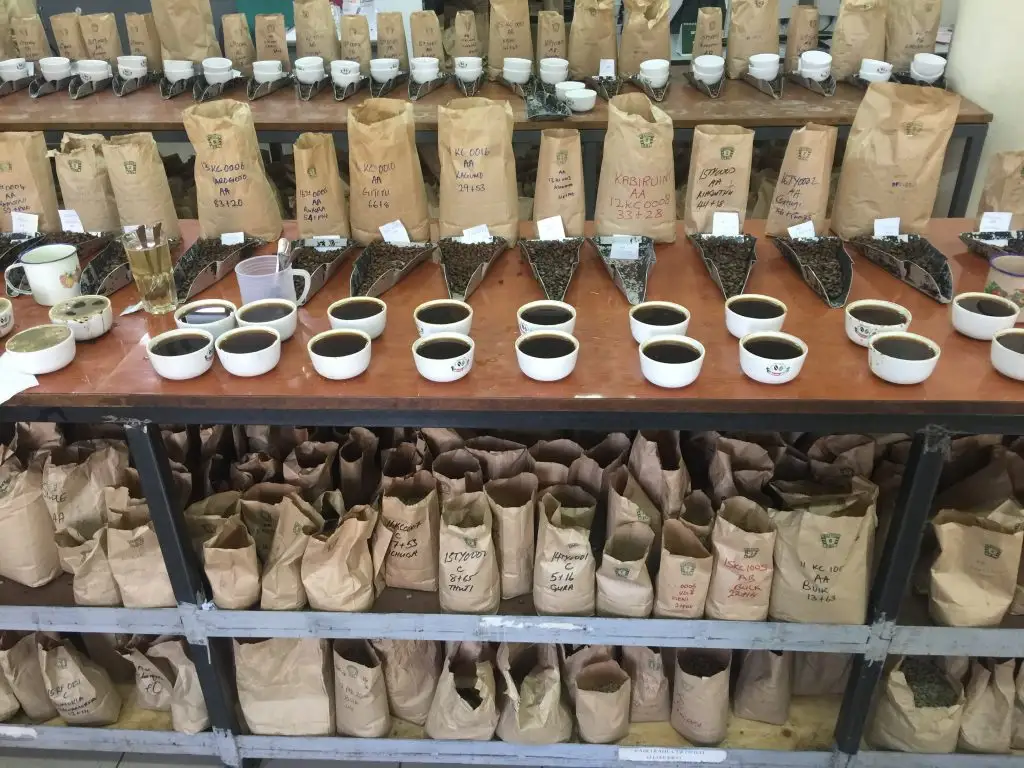
Modern Kenyan coffee still circulates mainly through the Nairobi Coffee Exchange, and its standardized auction process is highly instructive: representatives of producing regions provide green bean samples in advance for buyers to cup, the auction sets prices according to quality grade, and the highest bidder wins the right to purchase. This mechanism not only ensures fairness in transactions but also, through market feedback, incentivizes producers to continuously improve cultivation and processing techniques.

For coffee lovers, tasting Kenyan beans requires specific techniques. Using a water temperature of 93°C with a V60 dripper (recommended grind size: 80% passing a No. 20 sieve), a three-stage pouring method (first stage 30 g bloom for 30 seconds, then pour in stages to a total water volume of 225 g) can effectively highlight its signature bright acidity. Professional advice is to keep the total extraction time at about 2 minutes; these parameters can balance sweetness and acidity with cup cleanliness.


The legend of Kenyan coffee began with difficult beginnings during the colonial period, but after independence, through institutional innovation and a commitment to quality, it ultimately developed into a benchmark within the global specialty coffee system. Whether exploring its historical context or practicing professional brewing methods, it can open a journey of discovery and appreciation for coffee lovers.


