Panama Boquete Geisha Coffee: Flavor Profile and Pour-Over Guide
Introduction: Why has Geisha coffee become a star variety in specialty coffee? From the Ethiopian jungle to Panama's Hacienda La Esmeralda, what legendary journey has this coffee bean taken? This article takes an in-depth look at the flavor characteristics, grading system and growing secrets of Geisha from the Boquete region, and provides a professional pour-over recipe to help you fully experience its signature floral and citrus notes.
When people talk about Geisha coffee, they always think of its richly layered floral and fruity aroma and unforgettable drinking experience. As a benchmark variety in today's specialty coffee market, this coffee tree species, native to Ethiopia, now shows its unique charm in the special environment of the Boquete highlands of Panama.
The coffee story of the Geisha variety began in the 1930s. When it was first discovered in the Geisha forest of southern Ethiopia, this variety was sent to a research institution in Kenya as a research sample only because of its rarity. In 1936, Uganda and Tanzania introduced improved varieties, but they were not promoted because of their mediocre flavor and low yield. The turning point came in 1953, when planting experiments in Costa Rica unexpectedly found its excellent wind resistance, and it was eventually introduced in the 1970s to the windbreak belt of Hacienda La Esmeralda in Boquete, Panama.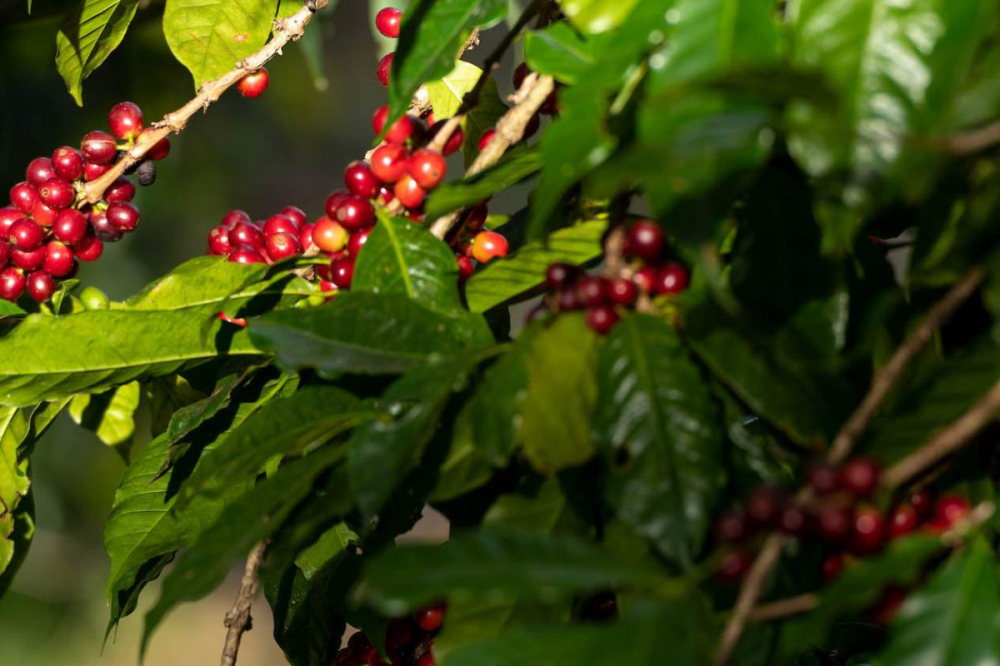
The real turning point came in 2003. When the second-generation manager of Hacienda La Esmeralda was sorting green beans, he accidentally discovered the unique floral aroma of the coffee beans in the windbreak area. The following year, these special plants were picked separately and entered into the competition, and they won the championship of the Best of Panama (BOP). Since then, this variety, once used as a windbreak, has shocked the world and triggered a global planting boom.
 The success of the Geisha variety is no accident. As the specialty coffee market pursues flavor complexity, light roasting has gradually become mainstream, and Geisha happens to show the unique advantages of light roasting—bright citrus acidity, delicate floral layers, and a long sweet aftertaste similar to high-mountain tea. But the requirements of high-altitude cultivation and its low-yield characteristics have kept it in a high-end position.
Not all Geisha from all regions can present top quality. The unique geographical conditions of the Boquete region create an ideal growing environment: steep slopes at 1,400–1,900 meters above sea level, fertile volcanic ash soil, and a microclimate with a day-night temperature difference of more than 10°C. These factors work together to allow the coffee fruit to slowly accumulate sugars and flavor substances.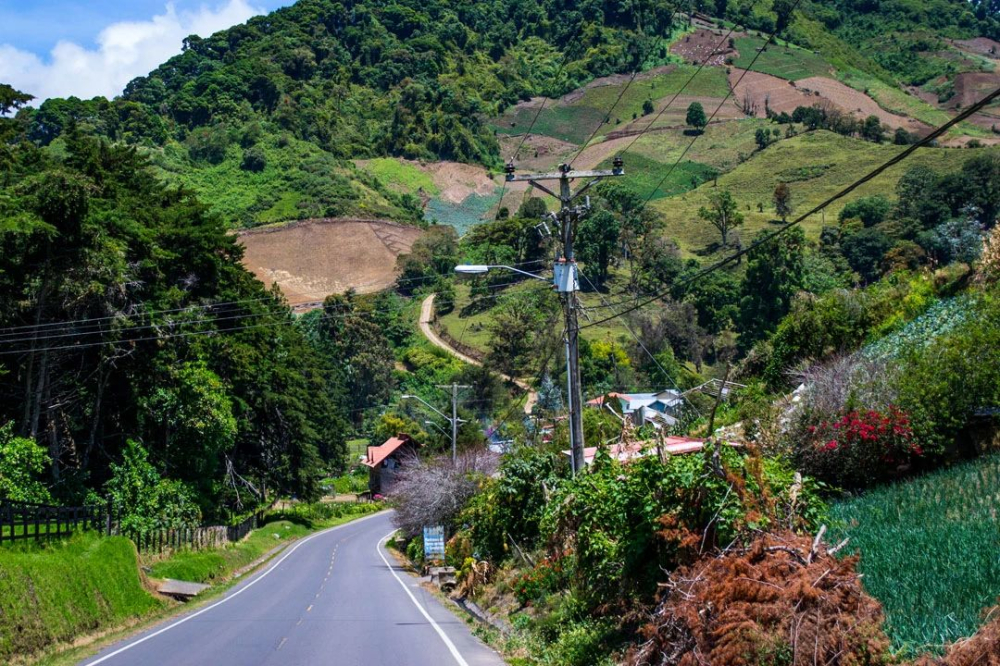
As the core coffee-producing region of Panama, Boquete's advantages lie not only in altitude. Its location adjacent to the Barú volcano brings mineral-rich soil, while the cloud barrier effect formed by the central mountain range (in the 1,200–2,000 meter area) both regulates temperature and increases air humidity, creating a variable microclimate environment. In addition to the famous Hacienda La Esmeralda, the region is also home to high-quality estates such as Elida and Kotowa Duncan.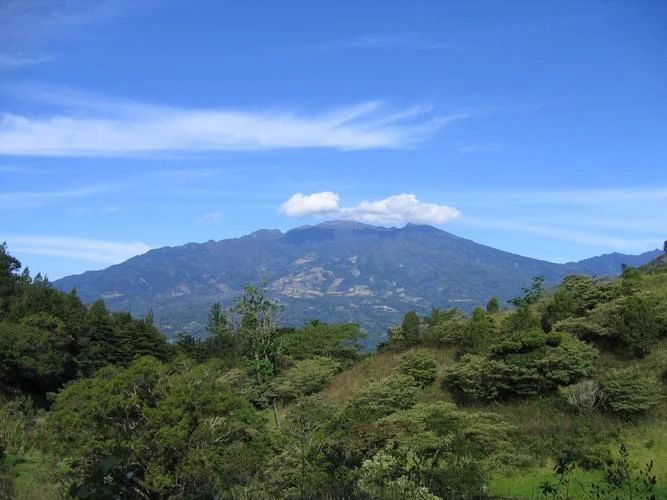
Panama's coffee grading system is unique and is mainly divided according to altitude and bean hardness:
• SHB (Strictly Hard Bean): altitude >1,350 meters
• HB (Hard Bean): 1,200–1,350 meters
• SH (Slightly Hard Bean): 1,100–1,200 meters
• EPW/ PW, etc.: 800–1,100 meter range
Hacienda La Esmeralda has also established an internal grading system, in which Blue Label (mixed beans from 1,400–1,500 meters), Green Label (micro-lots), and Red Label (auction-level from 1,600–1,800 meters) form its core product line.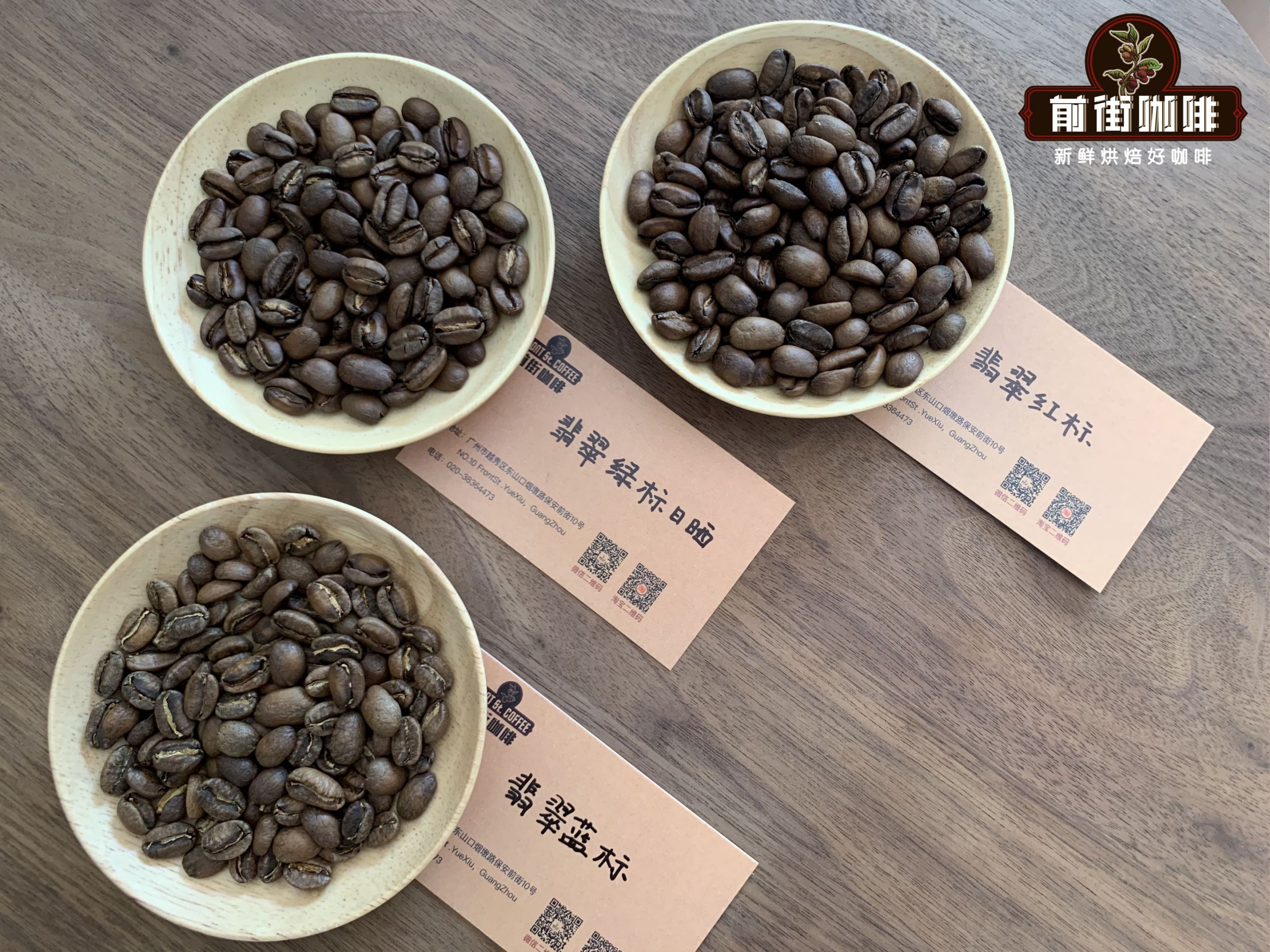
Red Label Geisha, as the highest grade, requires a cupping score of ≥90 points and a growing altitude of 1,600–1,800 meters. Auction lots usually come from the Jaramillo and Cañas Verdes plots, are processed by natural or washed methods, and often have obvious jasmine floral aroma and bergamot notes. Green Label presents fresher lemon acidity and honey sweetness, suitable for everyday tasting.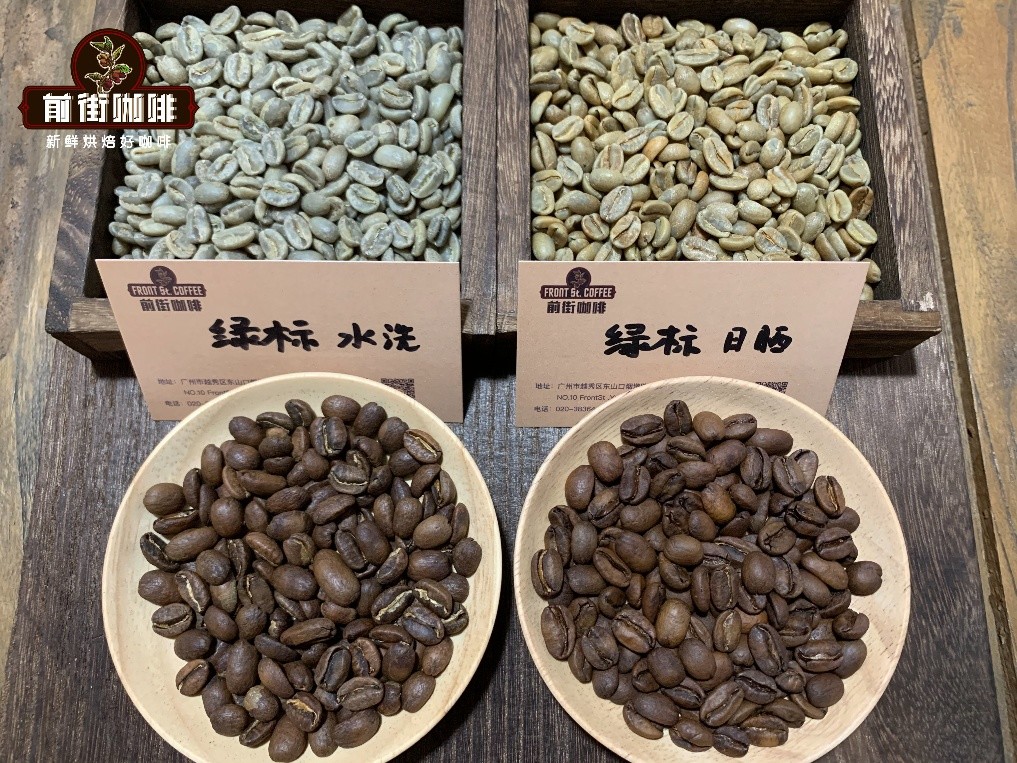
The typical flavor spectrum of Boquete Geisha includes:
• Dry aroma: white flowers, tropical fruit notes
• Wet aroma: black tea fermentation aroma, peach sweetness
• Palate: citrus acidity (pomelo/lemon), honey sweetness, almond finish
For every 100 meters increase in altitude, acidity sharpness usually increases by about 15%, while body increases accordingly.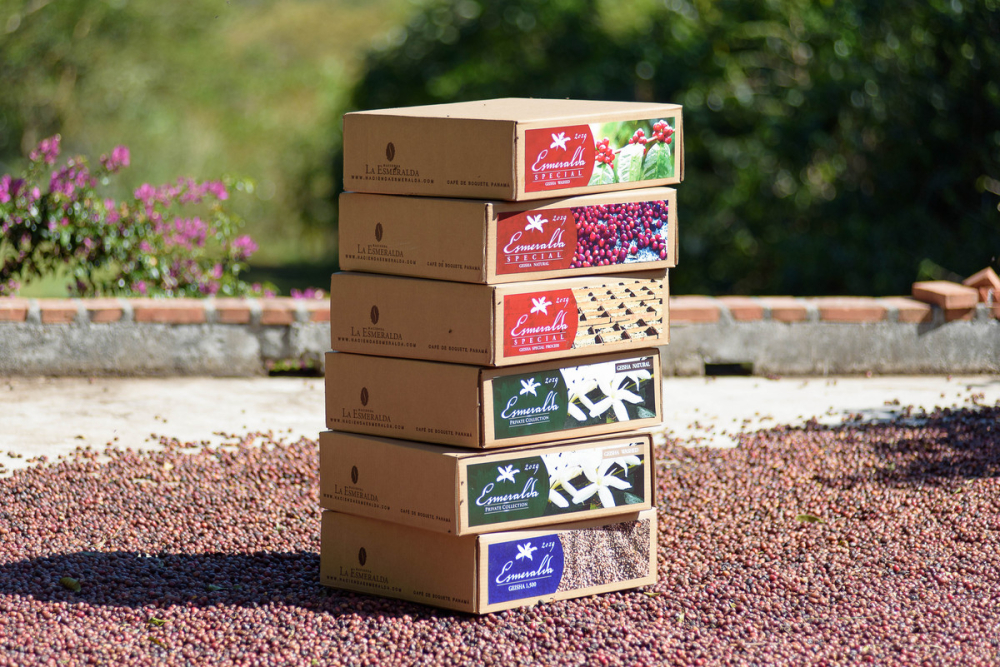
For professional brewing, a V60 dripper is recommended (1:15.5 coffee-to-water ratio, 90–91°C water temperature):
1. After preheating the equipment, grind to 77% passing rate on the Chinese standard No. 20 sieve (medium-fine grind)
2. Bloom with 30 grams of water for 30 seconds (based on 15 grams of coffee)
3. Pour in stages to 125 grams → 225 grams, keeping the coffee bed intact in the final stage
4. Control the total extraction time to 2 minutes ±10 seconds
Be careful to avoid over-extraction causing bitterness; it is recommended to first test the basic flavor with a 1:16 ratio.