Yunnan Coffee Beans: Catimor vs Typica and a Guide to Four Regions
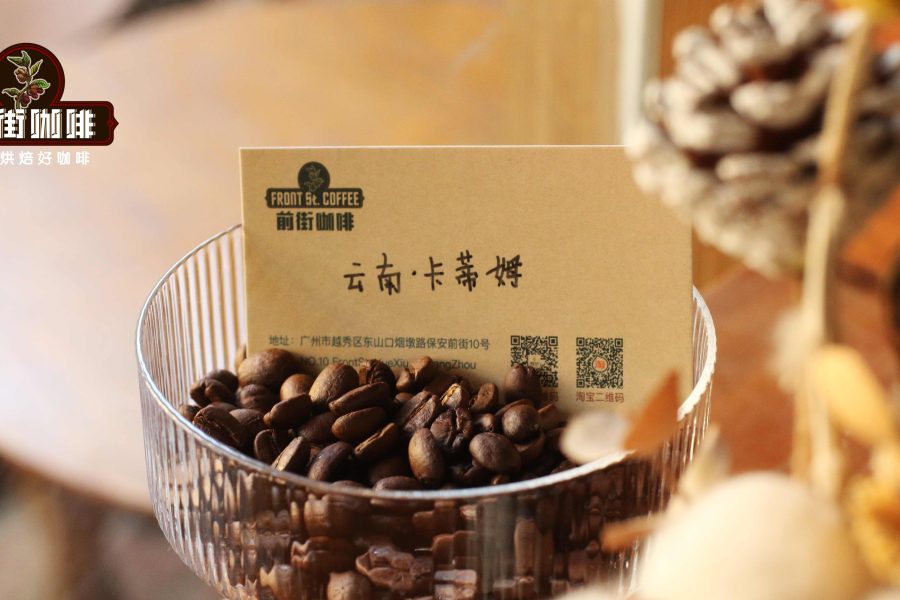
Introduction: An in-depth analysis of the core differences between Yunnan's main coffee varieties, Catimor and Typica, and a look at the geographic advantages of four core regions including Lincang and Baoshan. From planting history to processing methods, this guide fully explains what shapes the flavor of Yunnan arabica, and provides professional-grade cupping descriptions and brewing parameter suggestions to help you build a systematic understanding of Yunnan coffee.
As China's largest coffee-producing region, Yunnan has long been dominated by the Catimor variety. This variety, bred by crossing Timor (a robusta species) with Caturra (an arabica variety), accounts for more than 99% of the province's planted area thanks to its strong resistance to leaf rust and yields exceeding 200 kg per mu. It should be noted that what the market generally calls "Yunnan arabica" in fact mostly refers to Catimor, which differs significantly from the traditional Typica variety in both genetics and flavor expression.
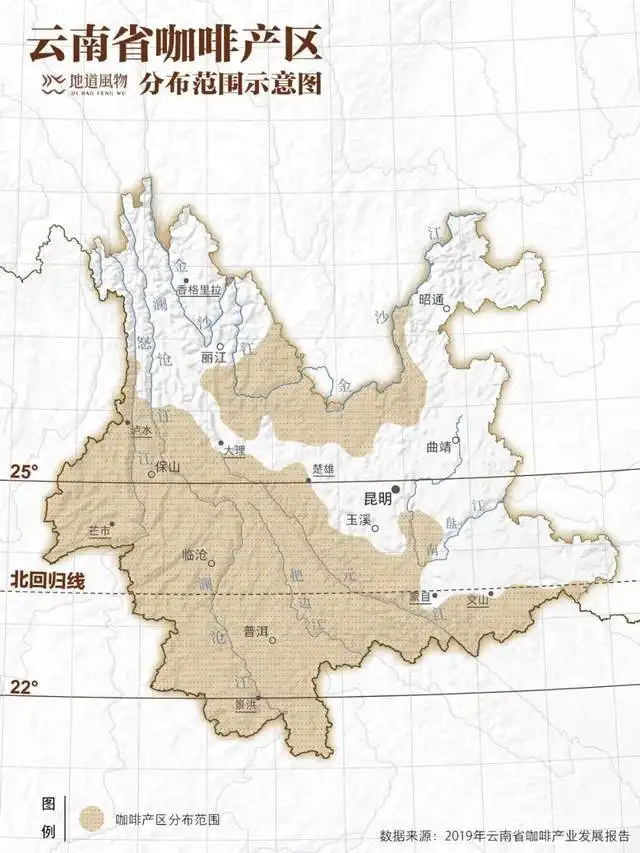
[Geographic Features of the Core Regions] Yunnan's main coffee regions are concentrated in southern and western Yunnan between 15°N and the Tropic of Cancer, covering four golden belts: Lincang, Baoshan, Pu'er and Dehong. The Lincang region (as shown in the image 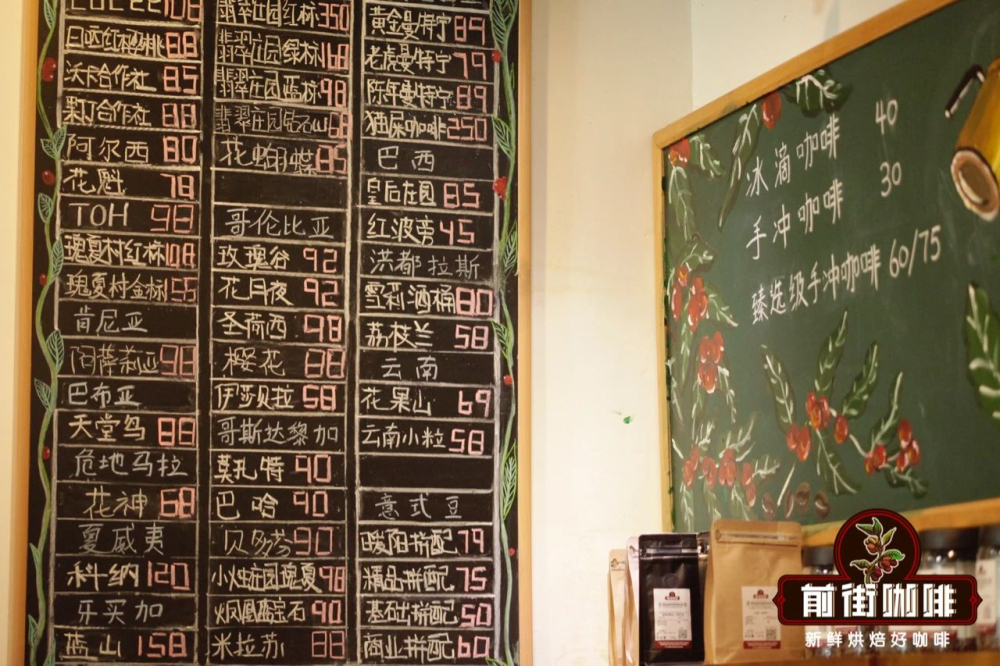 ) has a special location bordering Pu'er to the east and Dali to the north, with average annual temperatures stable at 16.8–17.2°C; together with a distinct alternation of wet and dry seasons and ample sunshine, this forms a unique microclimate. The Baoshan area, with its significant elevation differences (the highest planted areas reach 1,800 meters), creates vertically distributed micro-terroir flavor differences; Typica grown above 1,300 meters there has been evaluated by international experts as having "Blue Mountain-level potential."
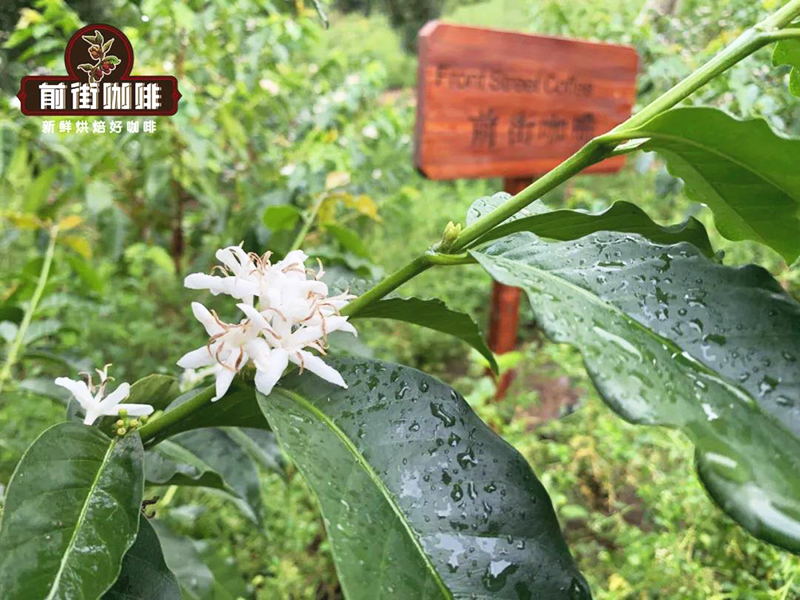
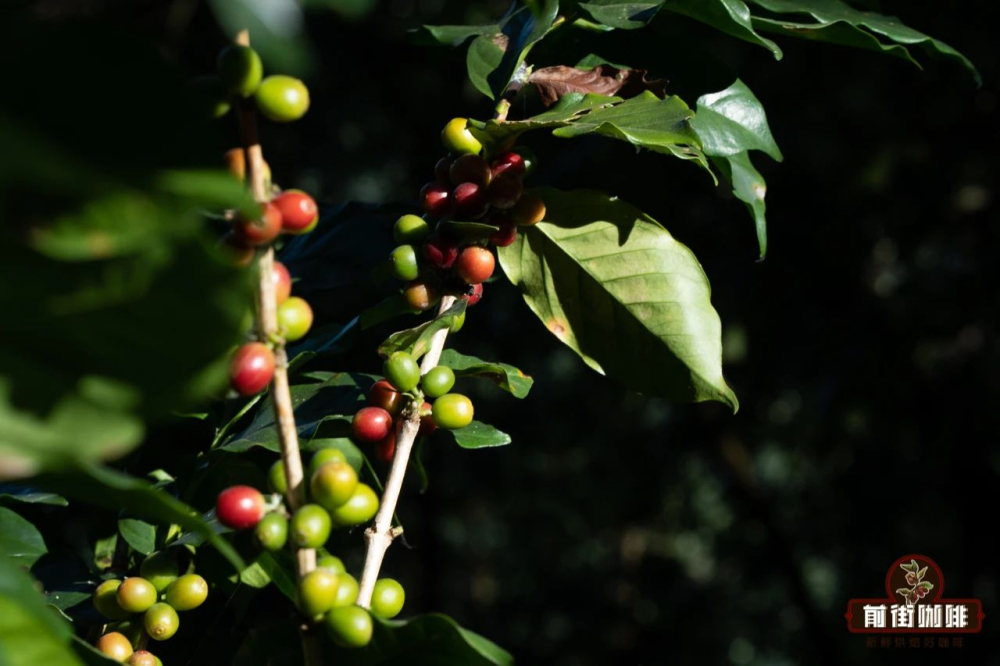
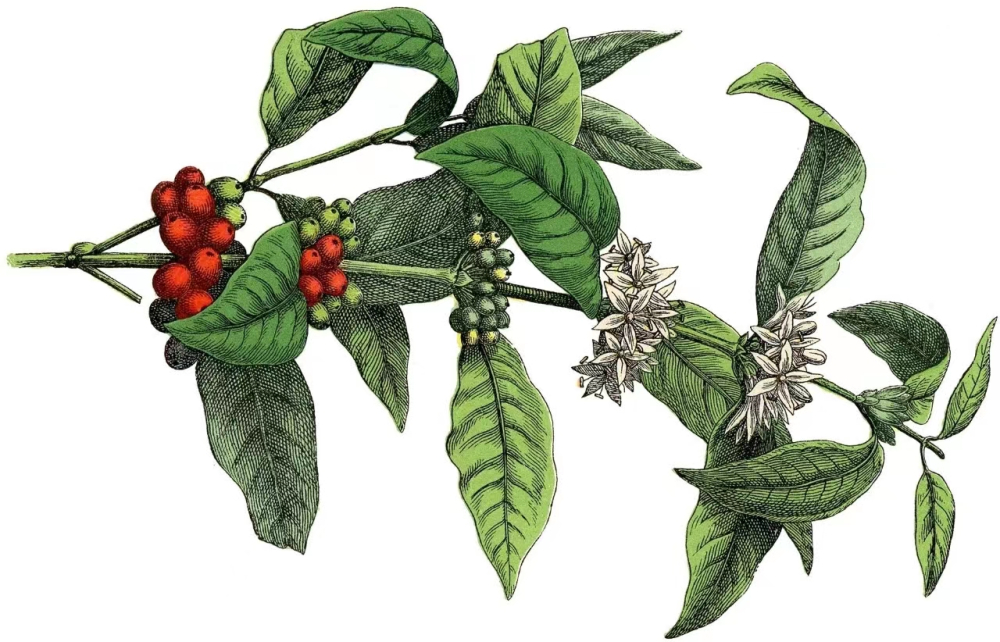
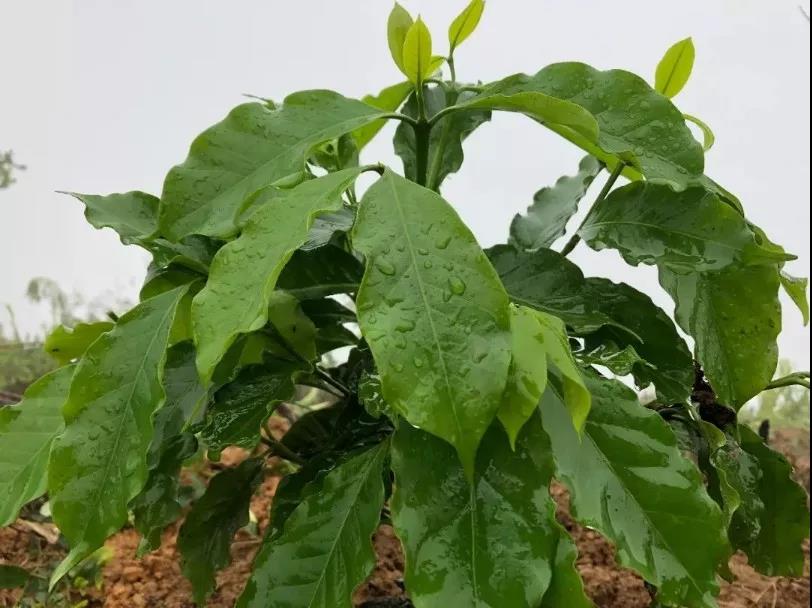
[History of Variety Evolution] Coffee cultivation in Yunnan began with the introduction of the Typica variety in the late 19th century (as shown in the image  ); this red-topped coffee tree originating in Ethiopia was long the mainstay. However, limited by shortcomings such as yields of only 60–80 kg per mu and susceptibility to leaf rust, it was gradually replaced by Catimor from the 1980s onward. It is worth noting that although Catimor inherits 25% robusta lineage (as shown in the image
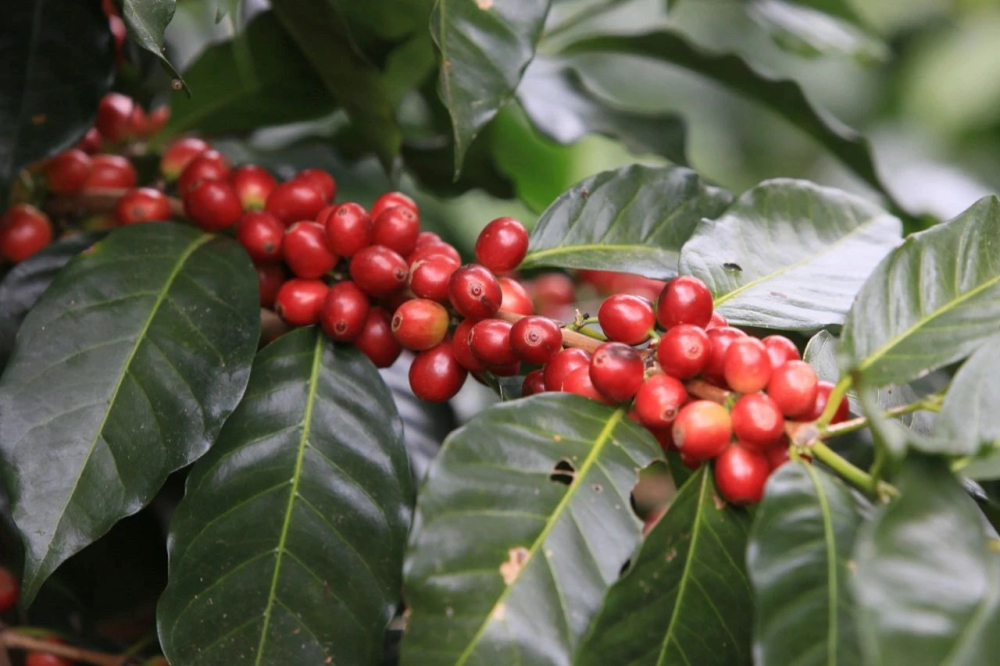 ), which results in weaker flavor complexity—often showing pronounced woody notes and flat acidity—improved processing methods have significantly raised its quality.
[Features of the Four Regions] The Baoshan region, with its volcanic rock soils and large day-night temperature swings, produces Typica in its high-elevation areas with distinct citrus notes and a black tea finish (corresponding to the image 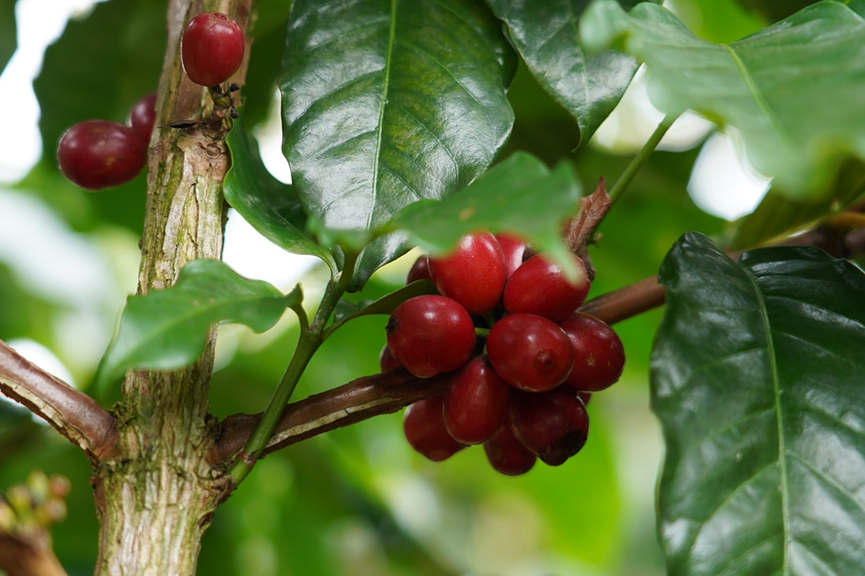 ). The Lincang region, with its unique ecology near the Myanmar border, often produces coffee with wild honey and tropical fruit aromas (see the image
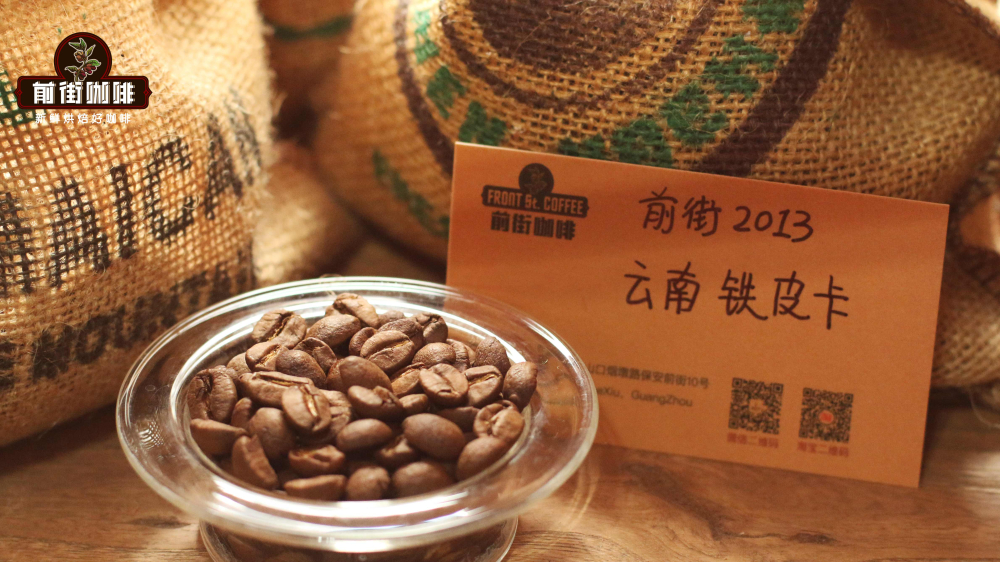 ). Pu'er and Dehong, as emerging regions, are known for a stable Catimor supply chain; their standardized cultivation model ensures balanced body and chocolate base notes.
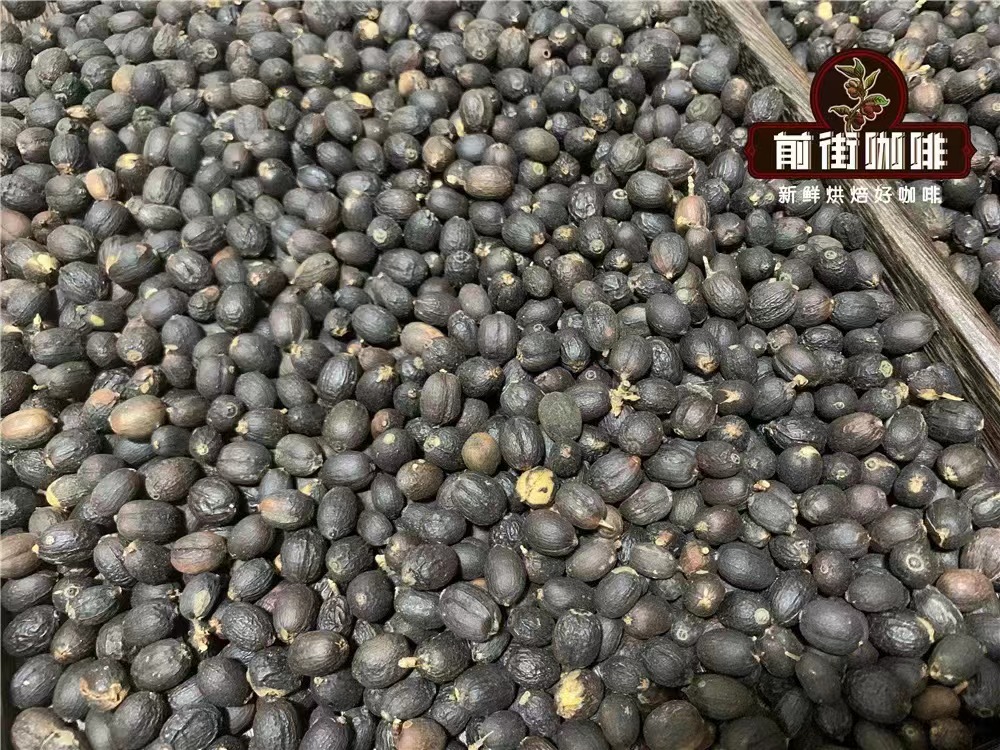
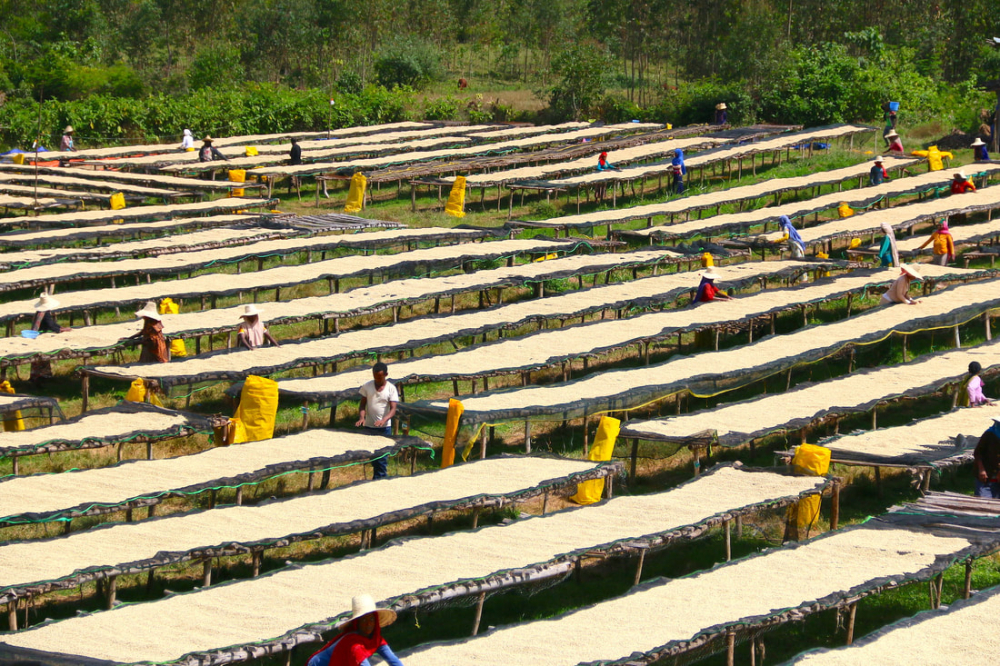
[Impact of Processing Methods] The washed method (as shown in the image 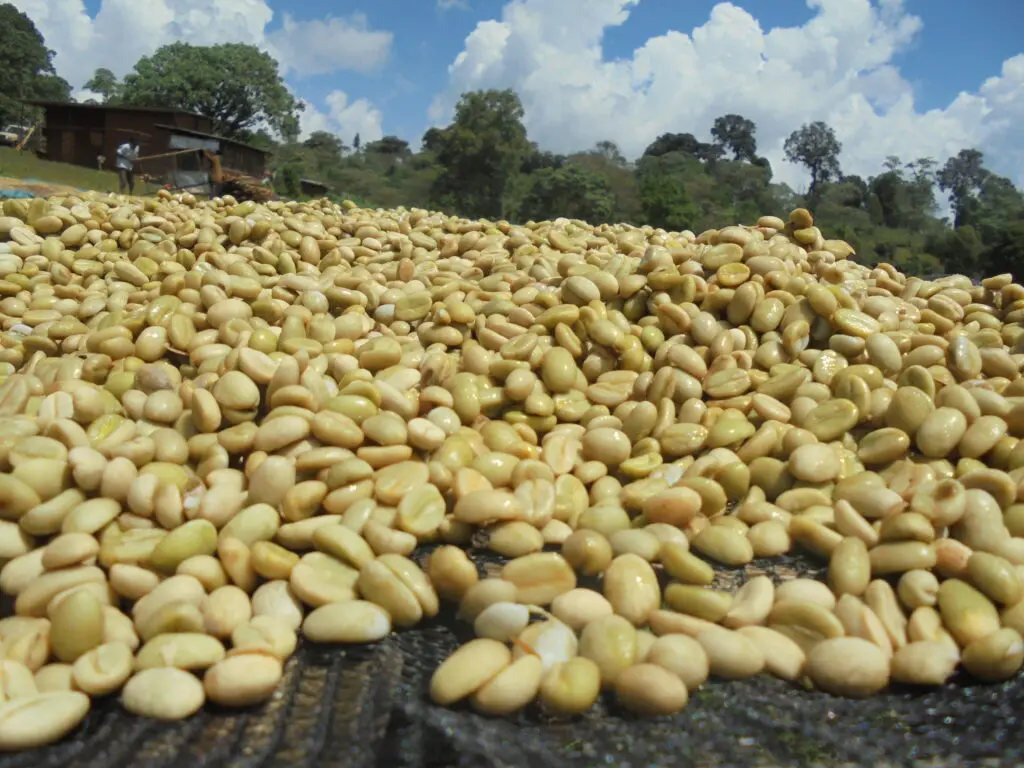 ) can highlight clean, bright acidity, typically expressed as citrus and berry flavors with medium-high body; the natural (sun-dried) method (as shown in the image
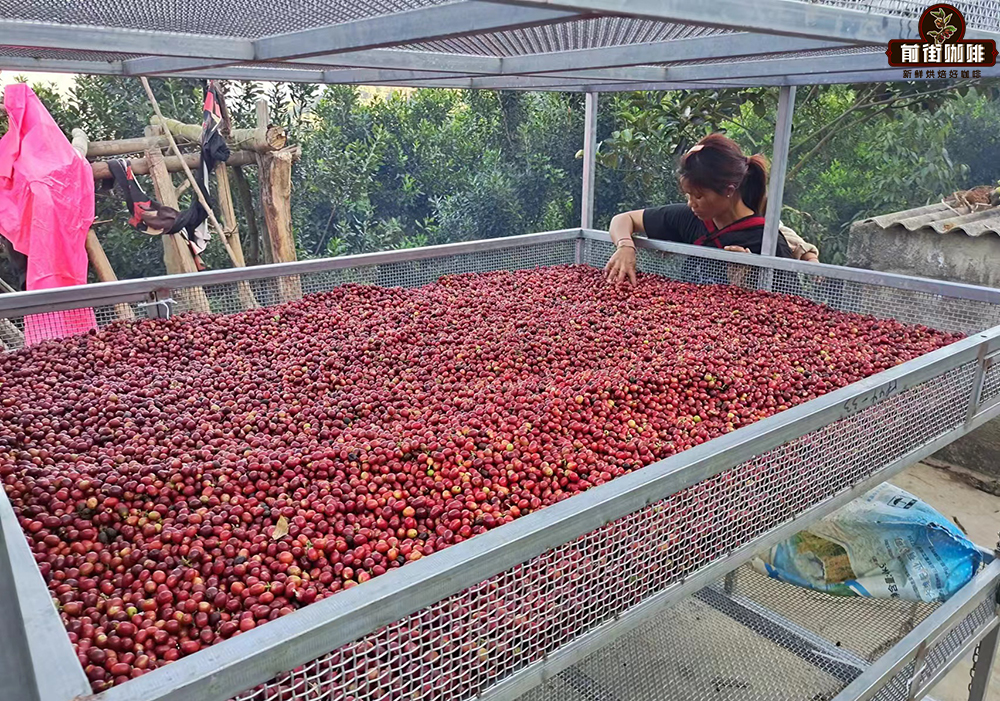 ) extends the fermentation time of the fruit pulp to develop layers of dried tropical fruit and caramelized sweetness. Professional recommendation: areas above 1,500 meters are suited to natural processing, while the 1,200–1,500 meter range achieves better flavor balance with honey processing.
[Comparison of Variety Characteristics] Typica, as a traditional specialty coffee variety (as shown in the image ), has a caffeine content of 1.2–1.5%, lower than Catimor, but offers a more refined mouthfeel and rich floral and fruity aromas. The Bourbon variant (as shown in the image 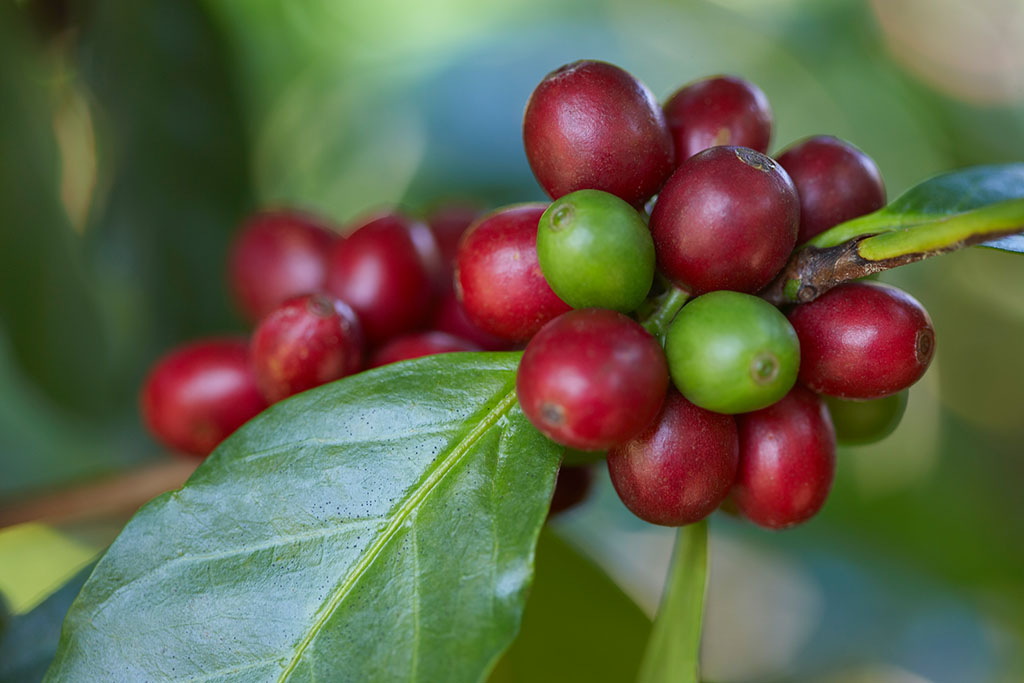 ), though of the same origin as Typica, has a green-tip trait that gives it slightly stronger disease resistance, and its flavor more prominently features caramel sweetness and almond notes. By comparison, Catimor, due to its robusta genes, requires particular care to avoid rubbery flavors caused by over-roasting.
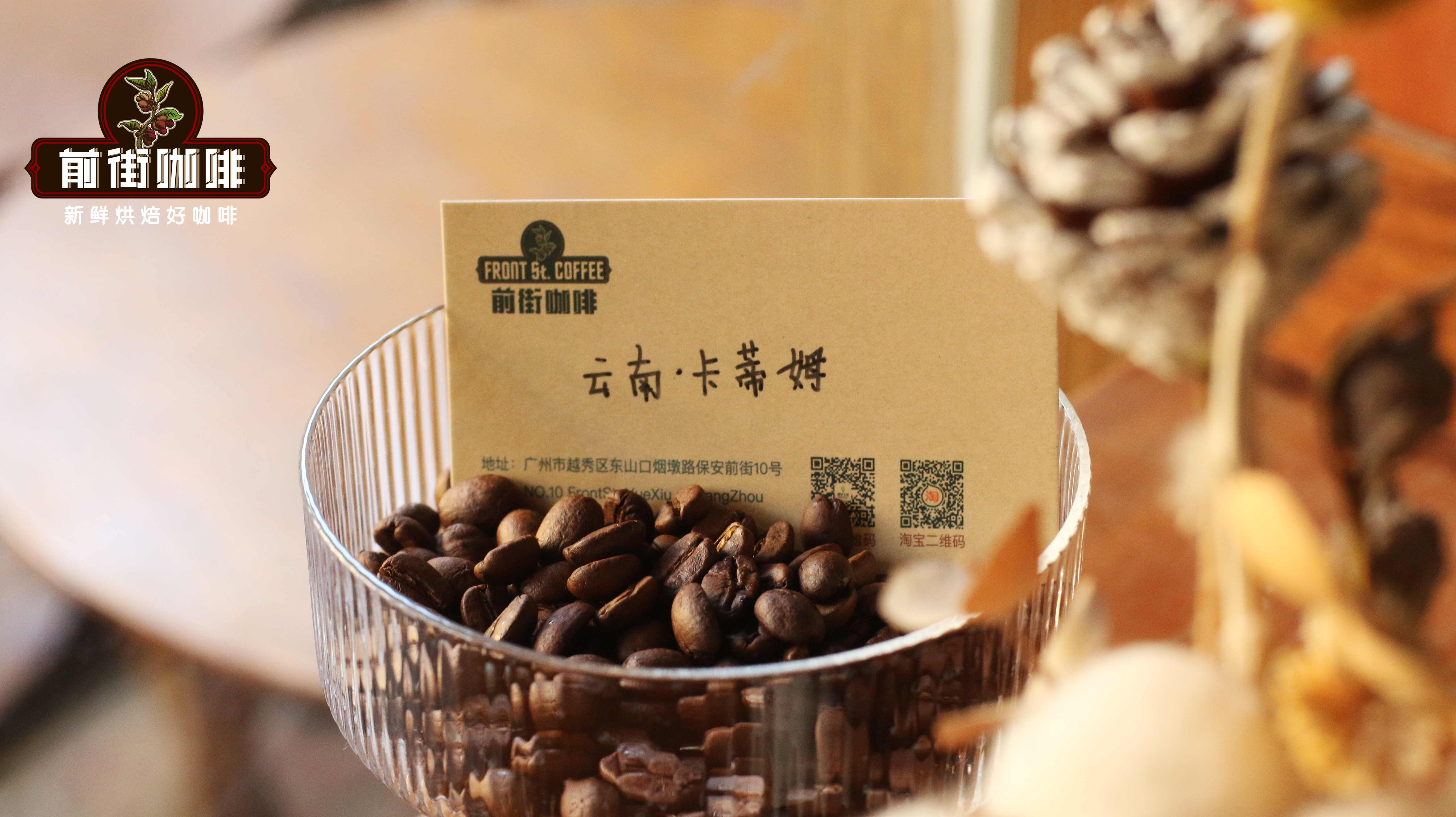
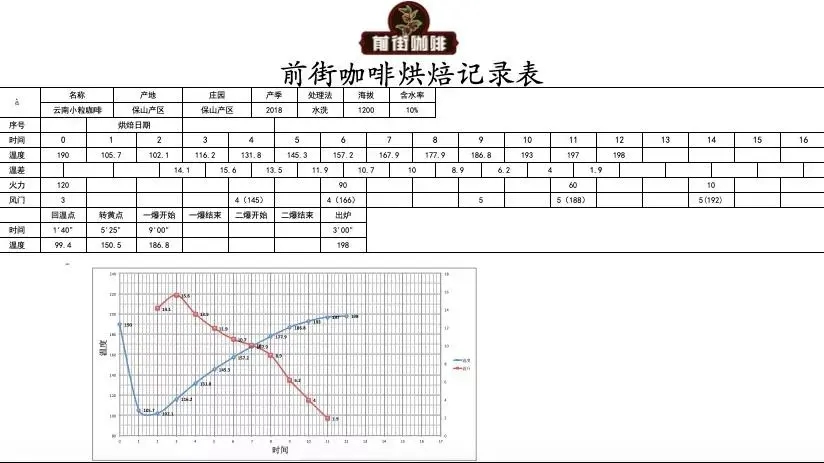
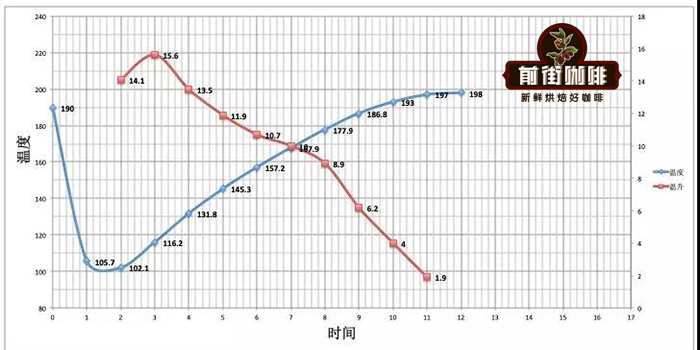
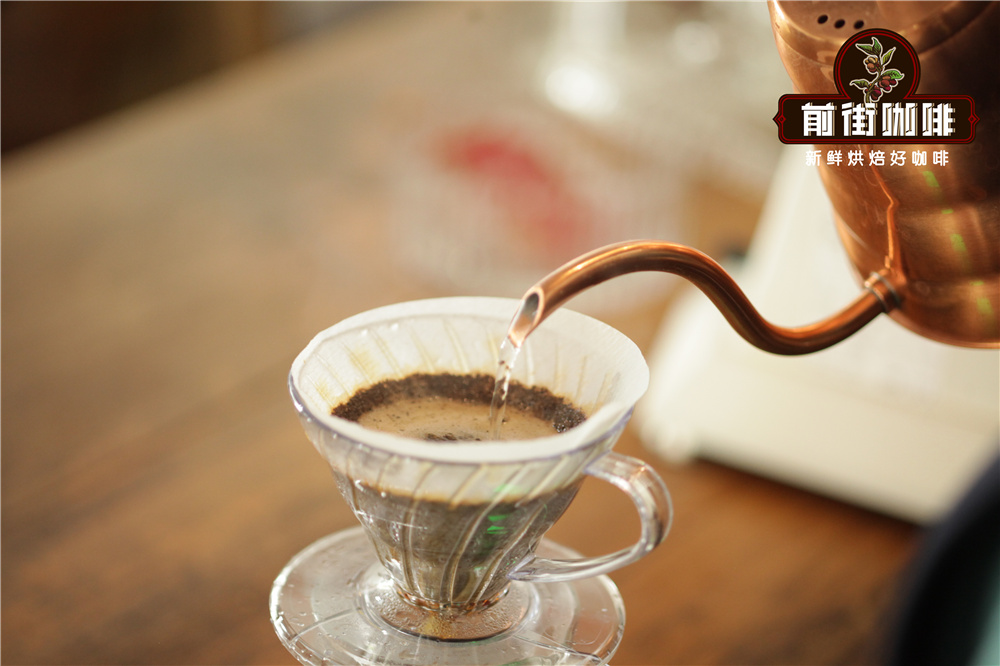
[Professional Brewing Suggestions] For medium-roast Yunnan Catimor, a V60 dripper with 90–92°C water is recommended; a 1:15 coffee-to-water ratio and a total extraction time of 2 minutes can highlight nutty and dark chocolate base notes. For naturally processed Typica, it is recommended to grind finer, to a fine-sugar consistency, and use a pulse-pouring method to strengthen the layers of fruit acidity (for parameter details, refer to the original brewing charts 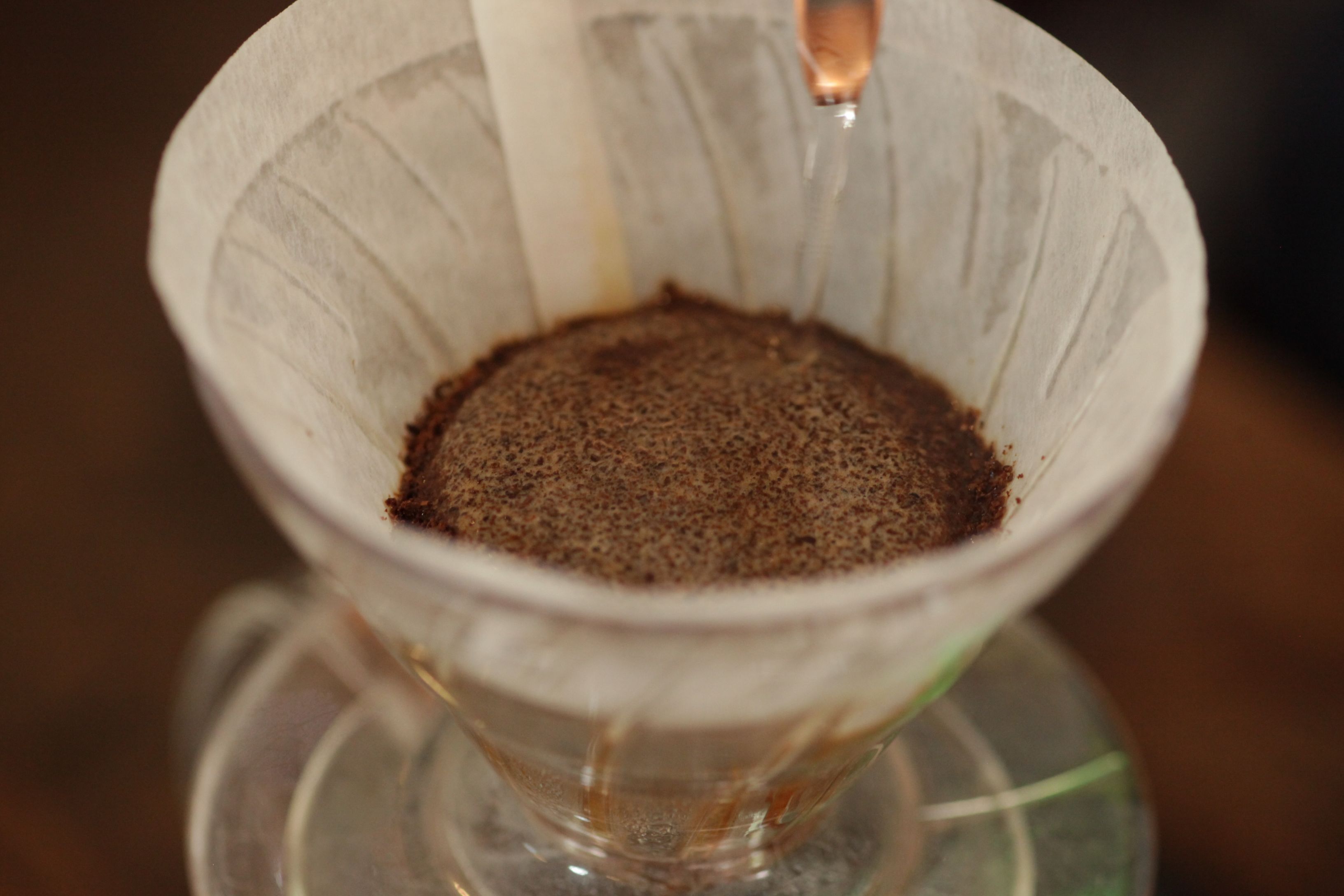 to
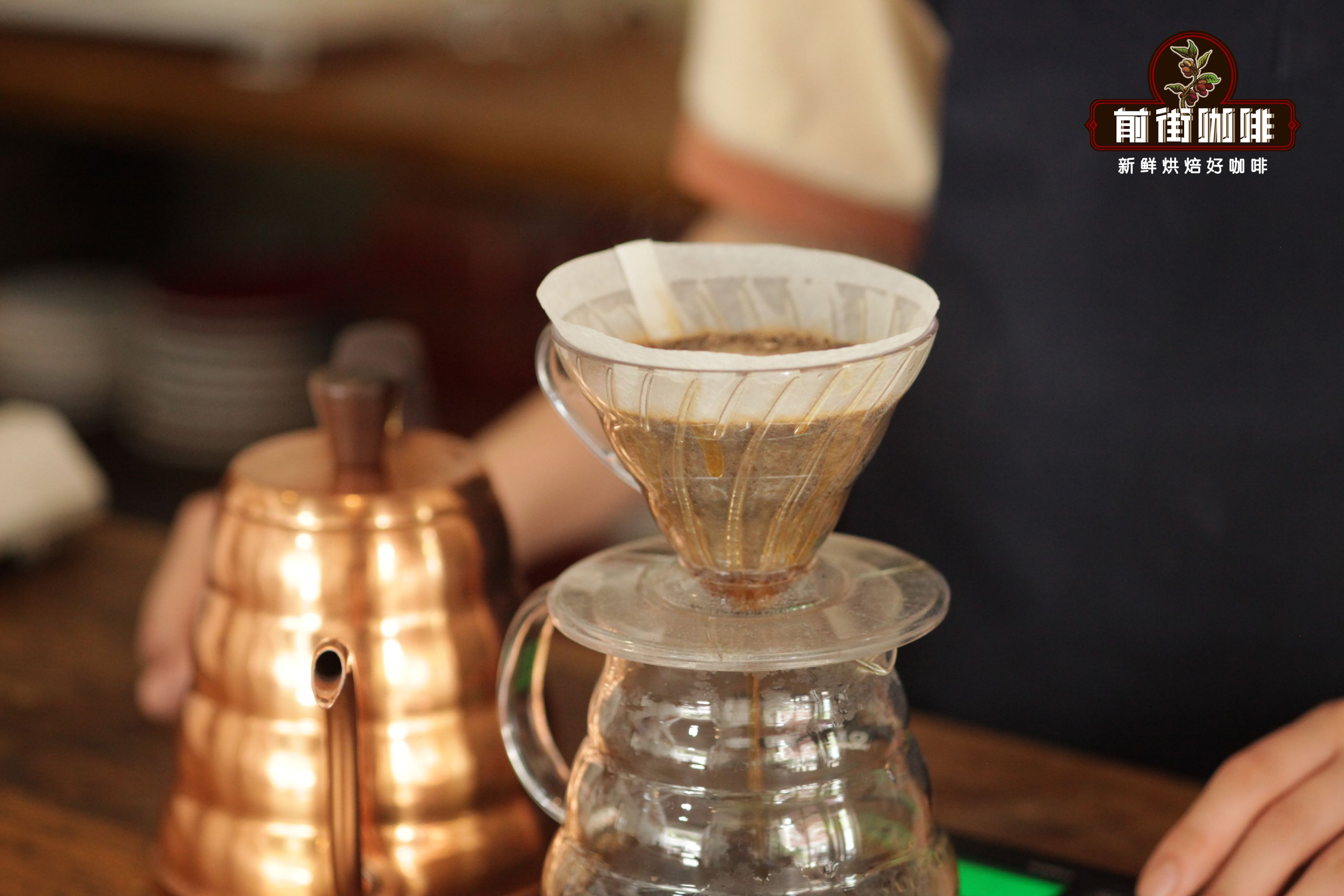 ).
Yunnan coffee is currently in a critical period of transition from commercial beans to specialty coffee. By selecting high-elevation growing areas below 2,000 meters and promoting innovative processing techniques such as anaerobic natural, some estates have already produced specialty-grade lots scoring 85+ in cupping. When buying, consumers should pay attention to three key indicators: growing elevation (preferably above 1,400 meters), processing method description, and roast date (fresh lots 2–14 days after roasting are recommended)."