Coffee Bean Storage Guide: Bagged Bean Methods and Popular Flavor Picks
Introduction: Only by mastering the correct coffee bean storage methods can you fully unlock the flavor potential of every bean. This article explains in detail the storage principles and practical tips for bagged coffee beans, including key points such as light protection, temperature control and moisture prevention. It also selects five popular bagged coffees on the market, covering different flavor types such as fruity notes, nutty chocolate and full-bodied taste, to help you find the coffee beans best suited to your brewing method and personal preference.
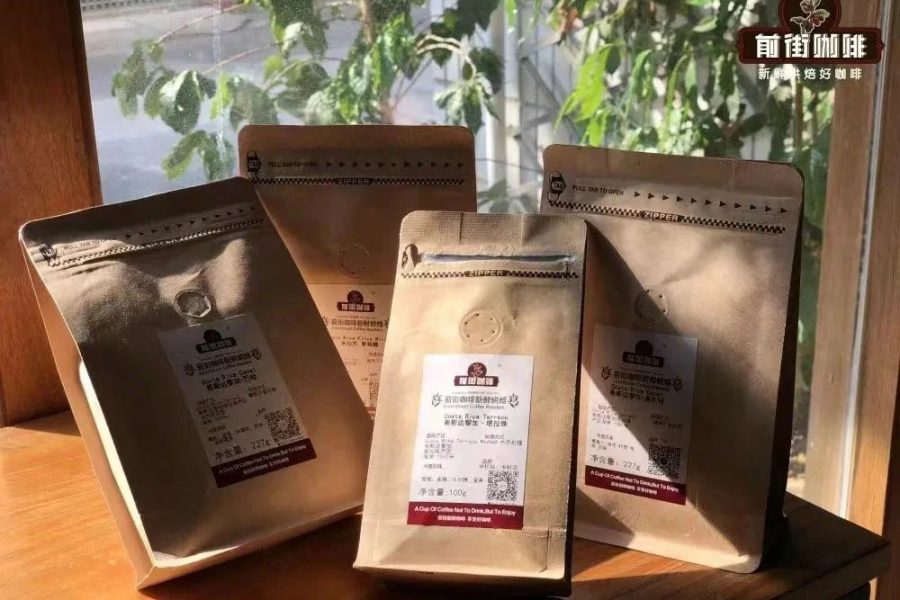
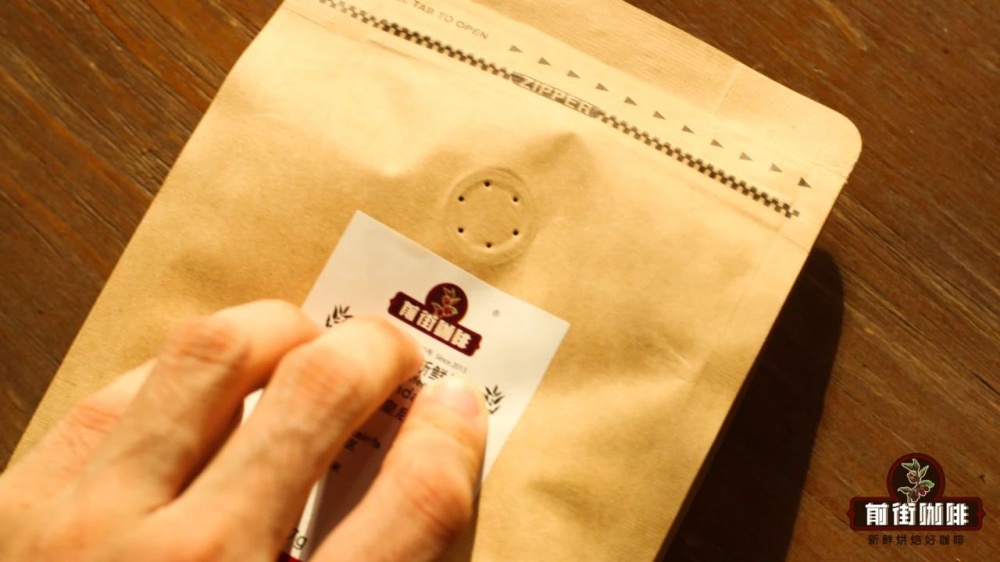
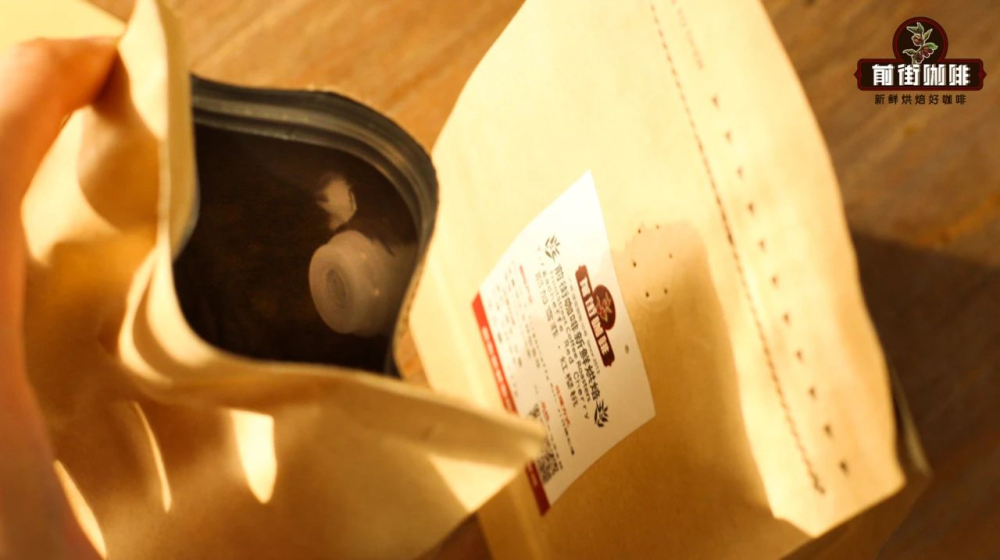
Common coffee bean packaging on the market mainly comes in three forms: sealed canisters, vacuum canisters and bags. Among them, bagged coffee beans have become the mainstream choice for home and commercial use because they are lightweight, durable, low in cost and mostly equipped with one-way degassing valves. This special valve design effectively releases the carbon dioxide produced during roasting while blocking outside oxygen from entering, extending the freshness of coffee beans more effectively than ordinary sealed containers.
Freshly roasted coffee beans are in an extremely active state, with residual carbon dioxide inside continuing to be released, while oxygen is the main culprit behind flavor decline. When coffee beans come into contact with air, the oils within gradually oxidize, aromatic substances evaporate, and the result is a flat, tasteless cup. In addition, for every 10°C rise in ambient temperature, the deterioration rate of coffee beans may more than double, and humid environments also promote mold growth. It is therefore recommended to store coffee beans in a cool, dry place, with an ideal storage temperature below 25°C.

When choosing a storage container, pay attention to material characteristics: glass jars can effectively block light and some heat, but must be fully sealed; metal containers have good light-blocking properties but may produce off-odors; ordinary plastic containers should especially be avoided, as this material easily absorbs coffee oils and releases plasticizers. For unopened bagged coffee beans, as long as the original packaging's degassing valve functions properly, they can be stored directly in a dark environment. Opened beans are best transferred to a sealed jar and used up within two weeks to ensure the best flavor.
Professional roasters extend freshness by filling packaging with inert gas and precisely controlling the oxygen transmission rate of packaging materials, but home storage still needs to follow the principle of "small amounts, more often." After each use, be sure to seal quickly to prevent a large amount of air from entering. It is particularly important to note that dark-roasted beans, due to their looser structure, release oils faster, and it is usually recommended to finish them within 7-14 days after roasting for the best experience.
When buying fresh coffee beans, the roast date marked on the packaging is more important than the shelf life. Truly high-quality coffee beans should be used within 2-3 weeks after roasting, when the acidic and bitter substances reach a balanced state and the flavor is at its best. Simple ways to judge the freshness of coffee beans include observing the surface oiliness (light roasts usually have no oil, while dark roasts may start to show oil after 7 days), smelling the aroma intensity when grinding, and tasting the layers of flavor. Avoid buying pre-ground coffee powder, because the grinding process causes flavor substances to be lost in large quantities within minutes.
For different brewing methods, coffee bean storage also varies. For pour-over coffee, it is recommended to use medium-light roasted beans and grind fresh for each use; grind size and water temperature directly affect flavor release. Espresso has higher requirements for bean freshness, and beans stored for more than three weeks may be difficult to produce ideal crema. For cold brew coffee, slightly darker roasted beans can be used, and appropriately extending storage time has less impact on the final taste. Whichever method is used, make sure the beans are completely sealed before grinding.
[Flavor Analysis of Five Popular Bagged Coffees]
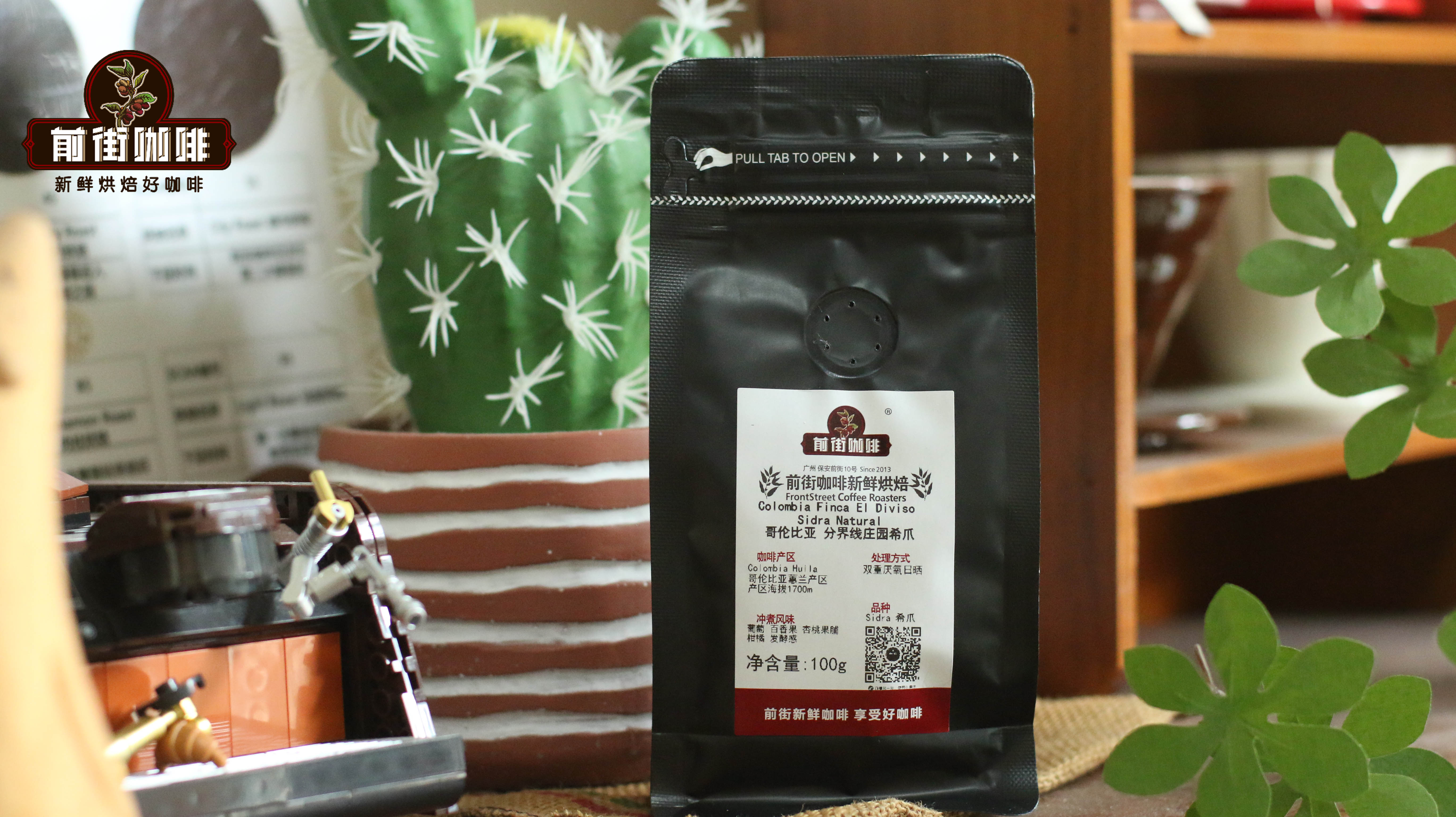
The bean representing tropical fruit notes presents bright rose floral aromas and strawberry sweet-tartness, with a brandy-like finish, suitable for ice drip or pour-over; a finer grind is recommended, with water temperature controlled at 90-92°C. The classic espresso blend balances a rich base of nuts and chocolate with a harmonious bitter-sweet ratio; whether making milk coffee or black coffee, it delivers stable performance, with a medium-coarse grind recommended, suitable for most espresso machines.
Dark-roasted beans from the Sumatra region feature herbal and pine aromas, with caramel sweetness and a spicy finish forming unique layers; extracting with a French press or moka pot is recommended, and the water temperature can be slightly lower at 88°C to highlight the full-bodied texture. The strawberry candy-flavored bean has enhanced sweetness through special processing, with prominent chocolate and nut aromas, particularly suitable for pairing with steamed milk to make a latte; the grind size needs to be adjusted according to the milk foam texture.
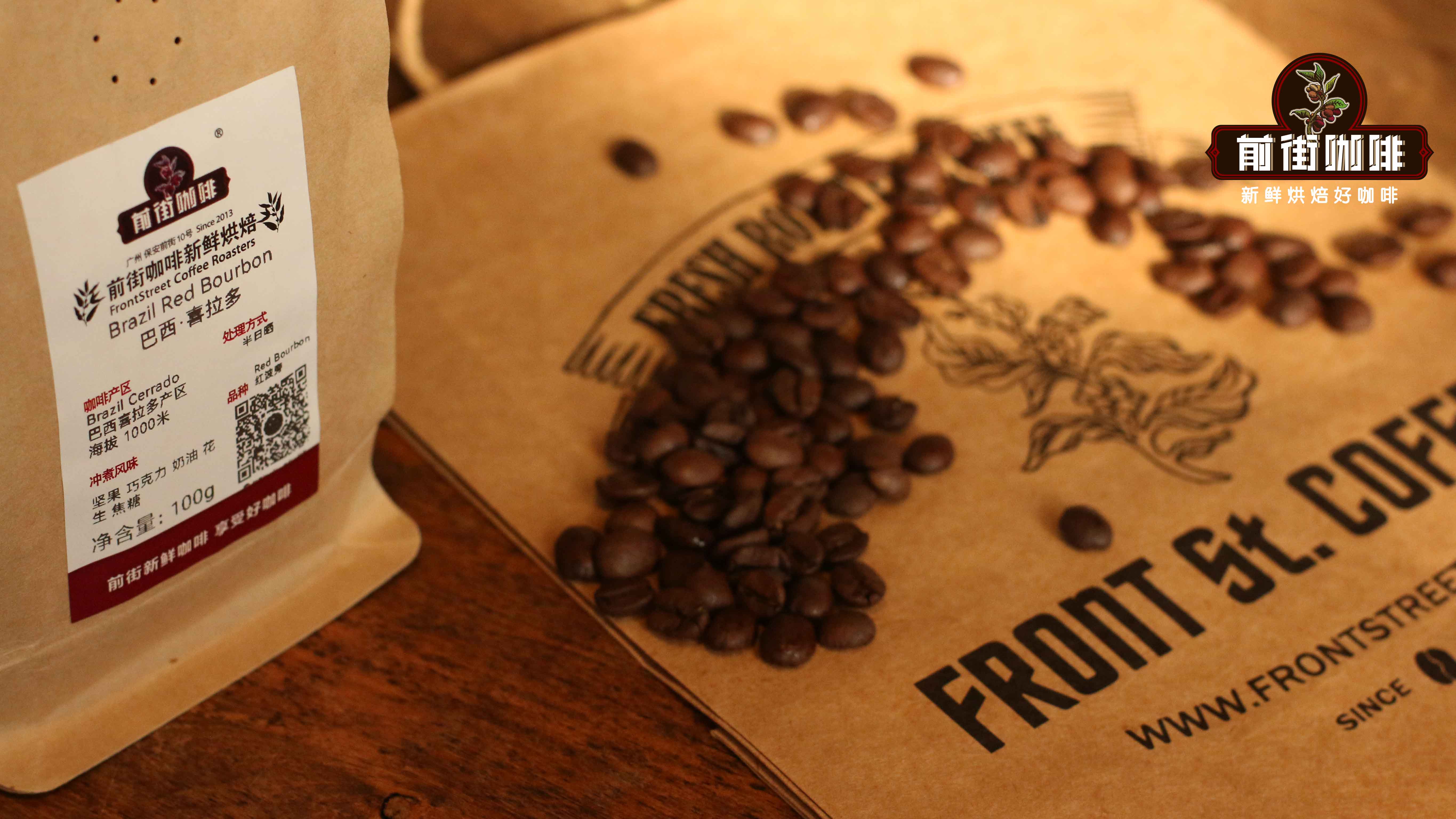
The Red Bourbon variety shows typical nutty chocolate flavors, and its low-acidity characteristic makes it an ideal base for coffee desserts; slow extraction with a siphon is recommended to fully extract the sweet substances. The fruit-fermented bean has passion fruit and citrus aromas, suitable for cold brew or nitro coffee, and the blooming time needs to be extended to bring out the fruity notes. For all bean types, it is recommended to divide into portions after opening to avoid repeated exposure to air that accelerates oxidation.