Geisha vs Yirgacheffe: Flavor Differences and Brewing Guide
Introduction: Geisha and Yirgacheffe both belong to the Ethiopian coffee genetic lineage, yet their different origins, processing methods, and variety characteristics create entirely different flavor experiences. This article delves into the core differences between these two classic coffee beans, from variety origins and growing environments to processing techniques and brewing parameters, helping you master the key points for selection and brewing.
Coffee enthusiasts often wonder why Geisha coffee commands such a high price. When compared with Yirgacheffe, which also has citrus and berry notes, what are the essential differences between the two? The answer requires an exploration of the entire chain from variety and origin to roasting.
Geisha Coffee Beans: The "Champion Genetics" from Ethiopia
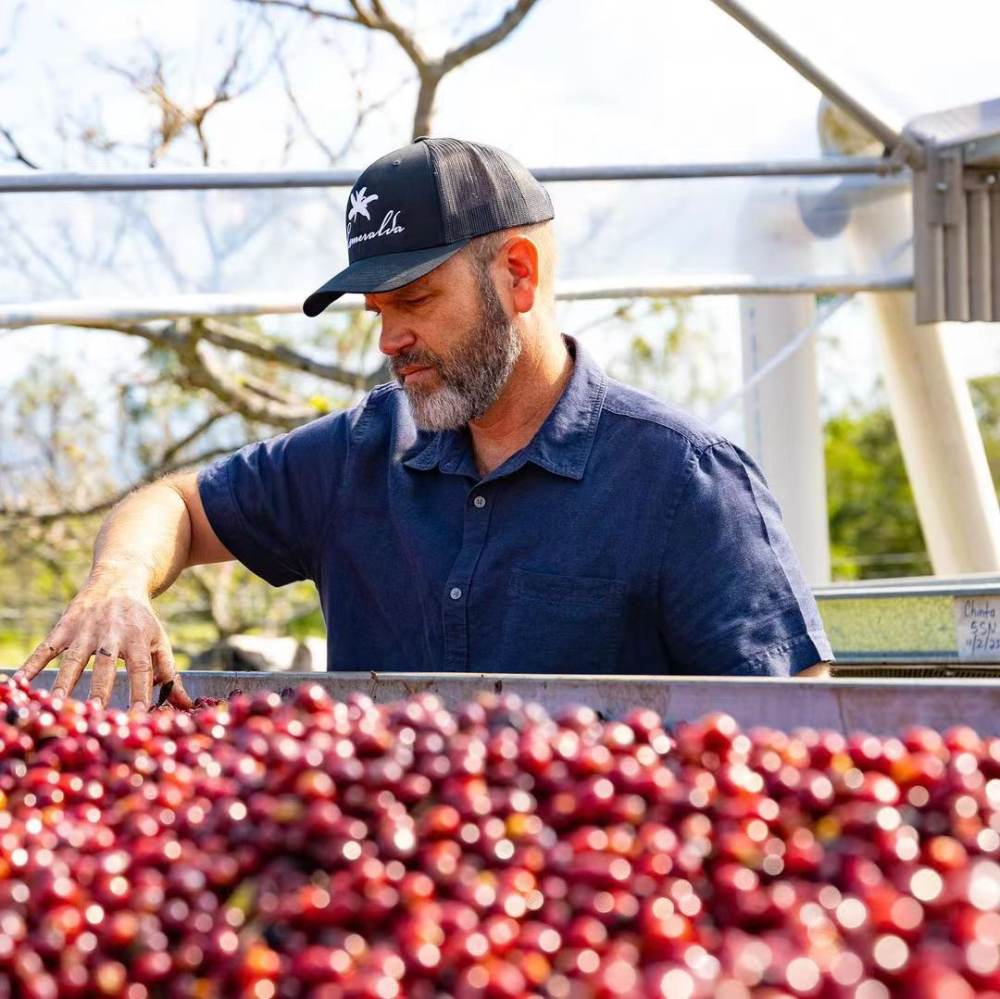
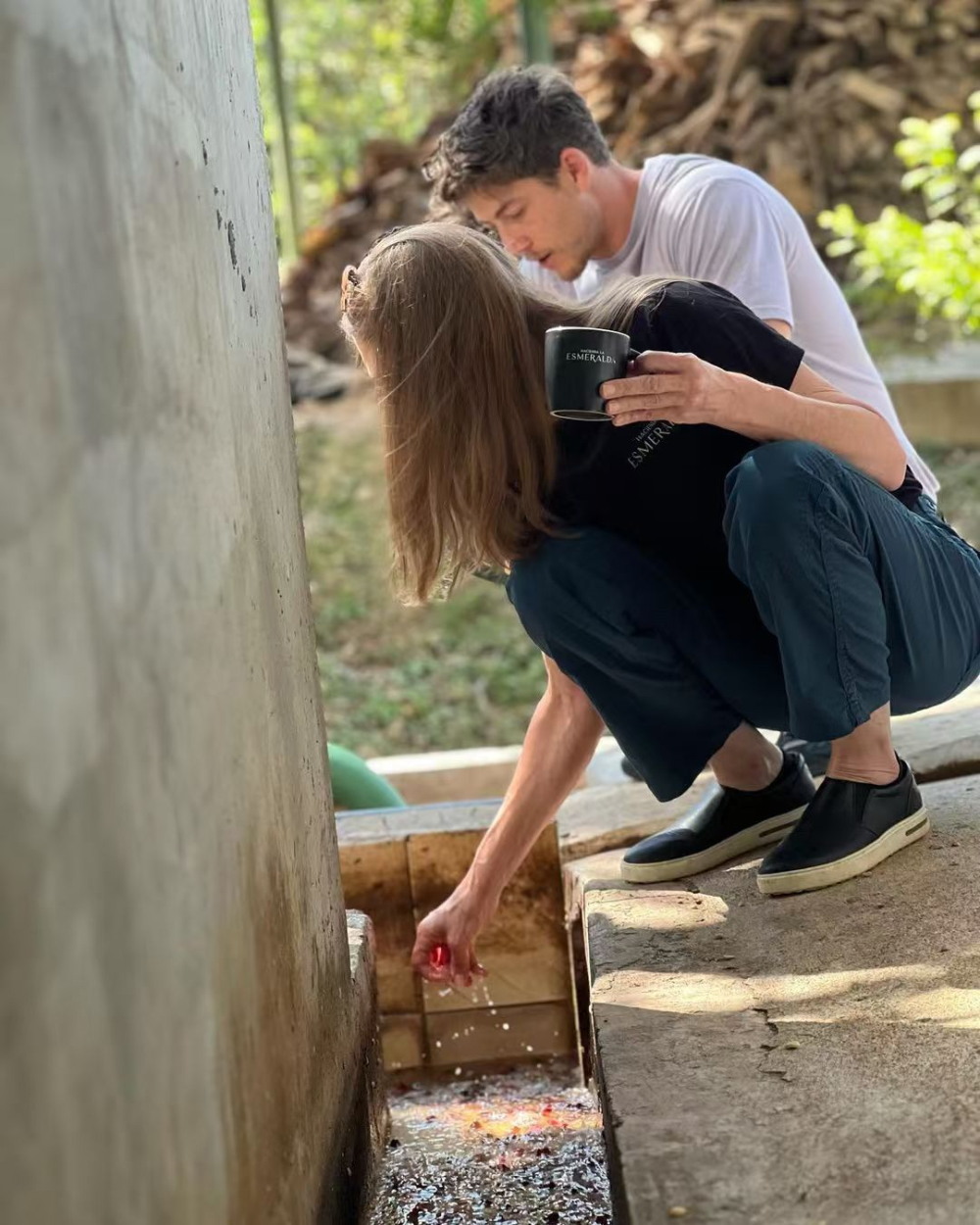
Geisha (Geisha/Gesha) is essentially a coffee variety, named after the Geisha forest in Ethiopia where it was originally discovered (homophonous with the Japanese word "geisha" but unrelated). In 1931, the variety was collected from the Geisha forest in Ethiopia and sent to the Kenya Coffee Research Institute, then passed through Uganda, Tanzania, and Costa Rica, and finally introduced in the 1970s by Panama's Hacienda La Esmeralda from the Costa Rican CATIE institution. Its unique flavor is no accident—after decades of cupping selection, farm owners compared flavor differences among harvest batches to identify the specific trees and harvest times, confirming the variety's potential.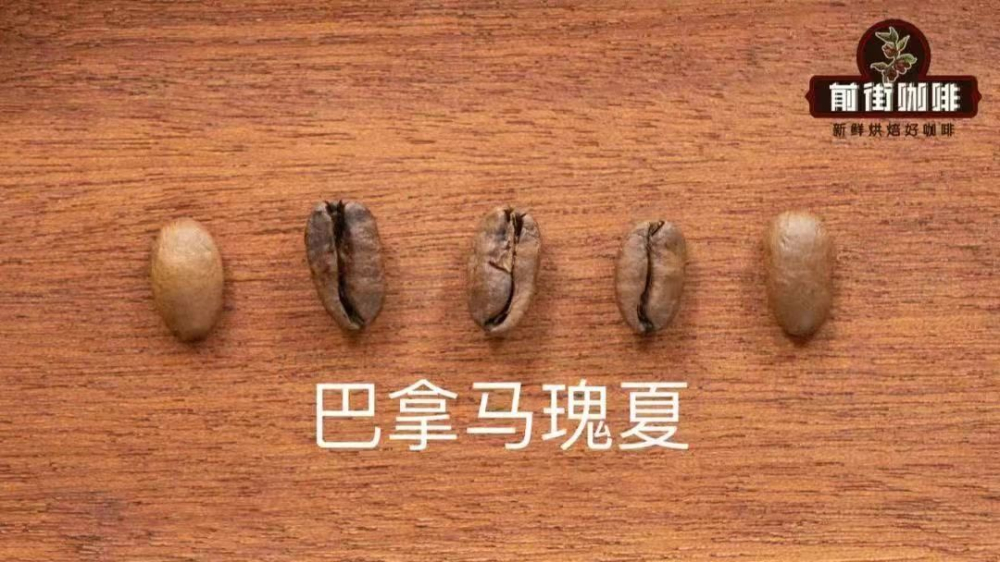 .
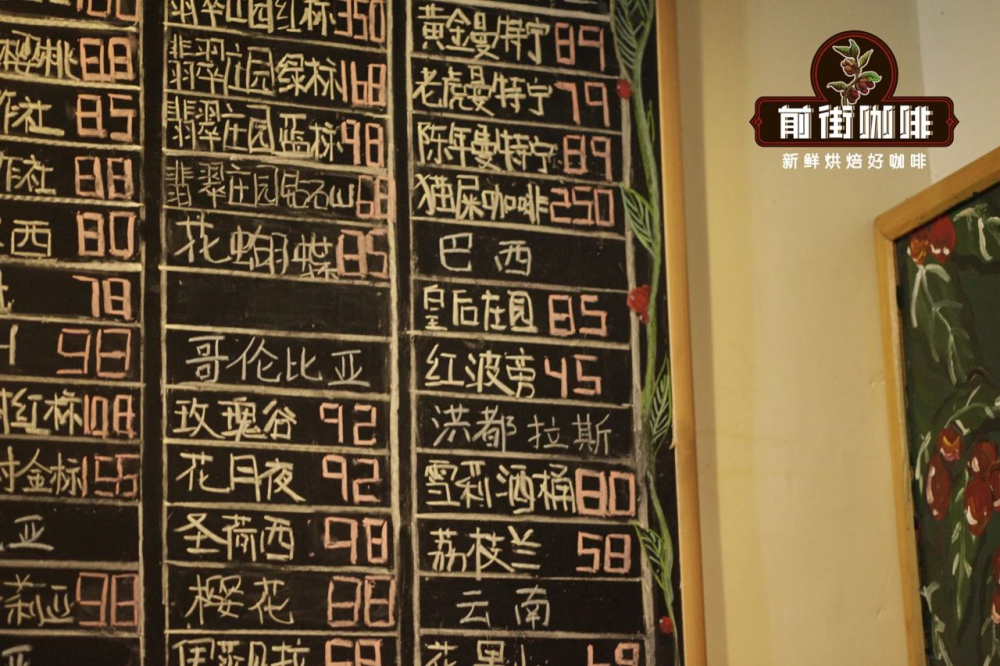
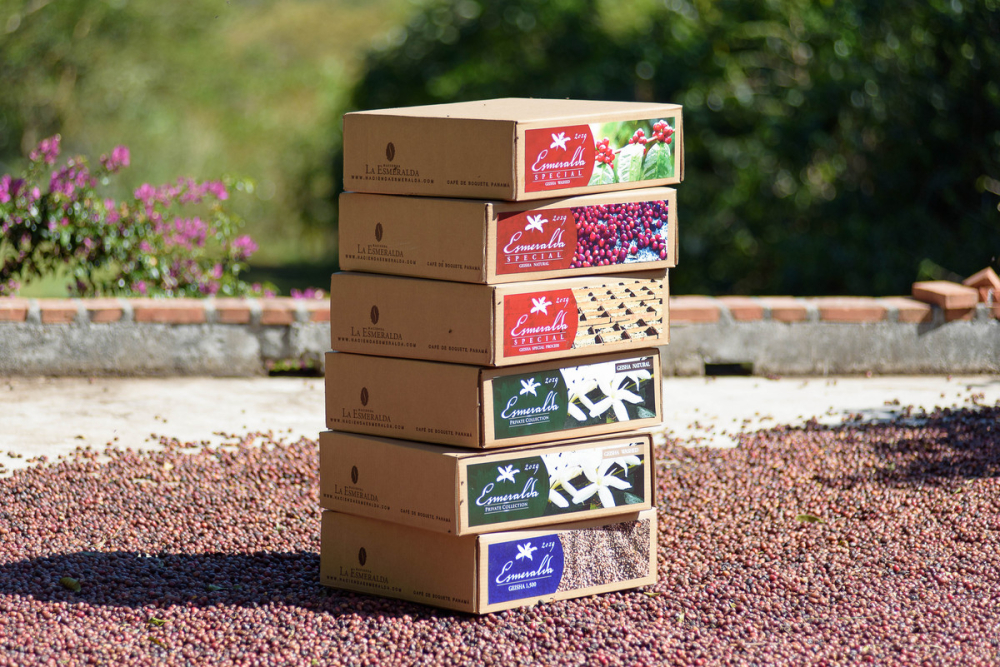
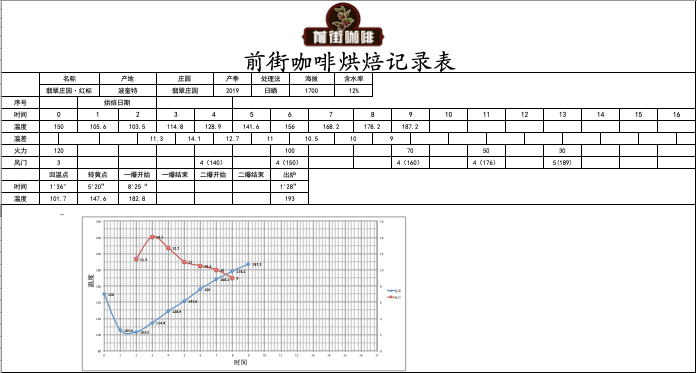
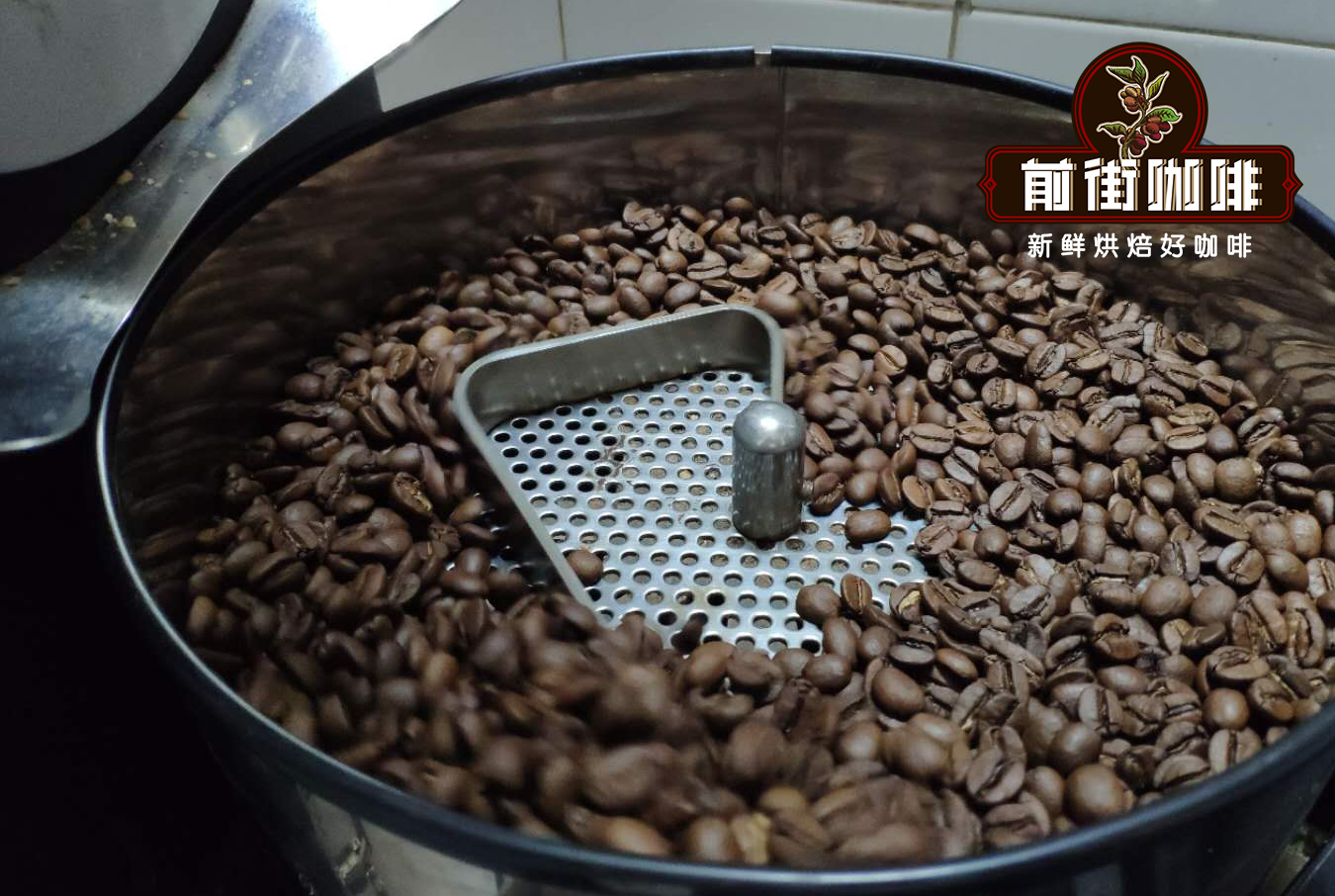
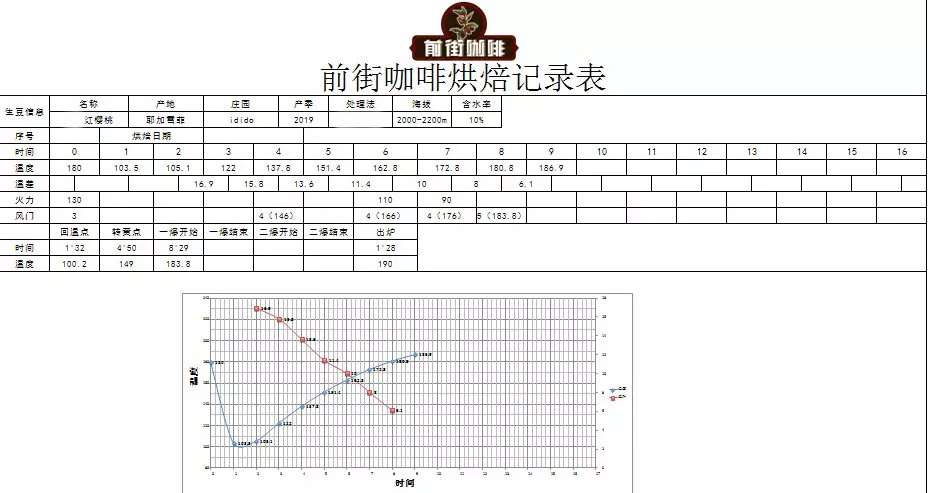
What truly propelled Geisha to fame was its revolutionary flavor profile. High-altitude cultivation (typically above 1600-1800 meters) gives it signature delicate floral aromas (such as jasmine and white peach), bright citrus acidity (similar to blood orange or lemon), and a long-lasting honey sweetness in the finish. Among them, the Red Label Geisha from Panama's Hacienda La Esmeralda (from the Cañas Verdes plot, 1600-1800 meters, natural process) is representative: dry aroma with grass and peach notes, wet aroma revealing complex floral and fruity notes, entry with clear citrus acidity and a tea-like soft body, and a finish as long as jasmine tea. Its green beans show a rare blue-green color and carry the milky sweetness characteristic of oolong tea. It requires a light roast just before second crack (about 189.5°C drop) to balance the expression of floral and fruity notes with acidity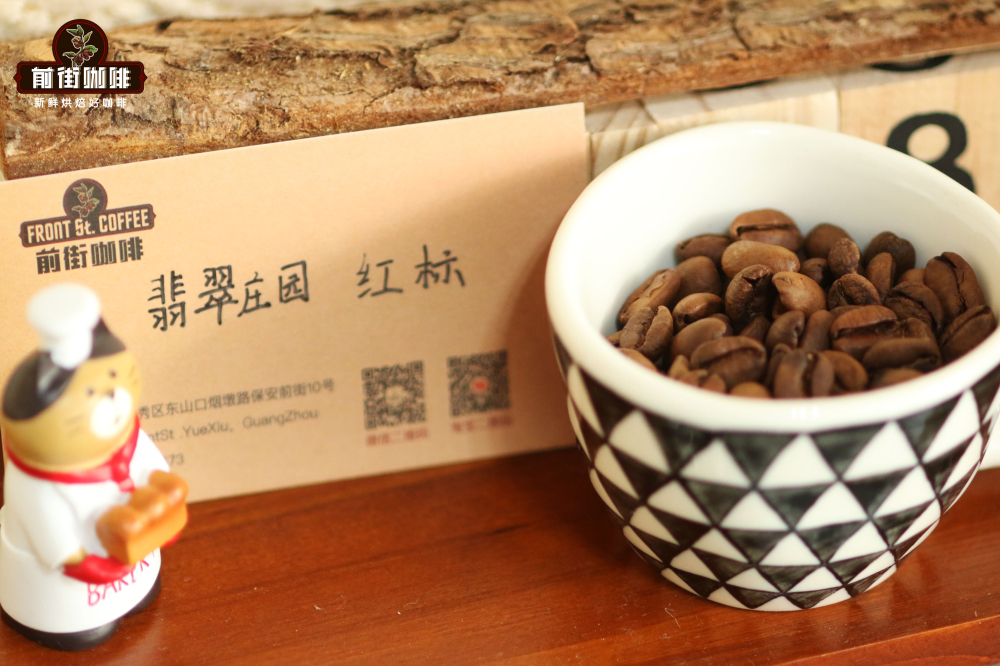 .
The legend of Geisha is also reflected in the auction market—in 2013, the natural process Geisha from Hacienda La Esmeralda sold for $350.25 per pound, 58 times the price of ordinary Panamanian specialty beans that year, and it remains a benchmark variety in coffee competitions.
Yirgacheffe Coffee Beans: Ethiopia's "Original Flavor Calling Card"
Yirgacheffe is not a variety name but a famous producing region in southern Ethiopia (altitude 1900-2300 meters), known for growing local heirloom varieties (small beans, mainly screen size 14-15, yellow-green color). The coffee from this region naturally has elegant floral and fruity notes, derived from thousands of years of cultivation tradition and unique washed/natural processing techniques.
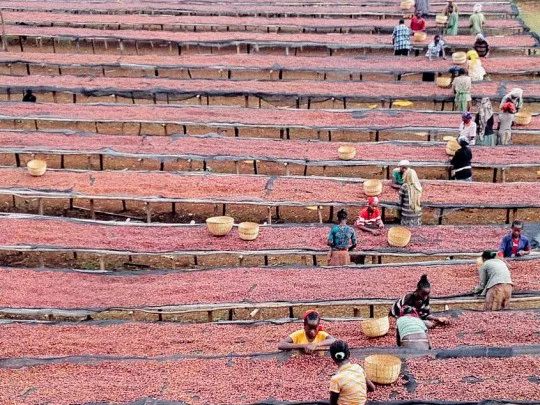
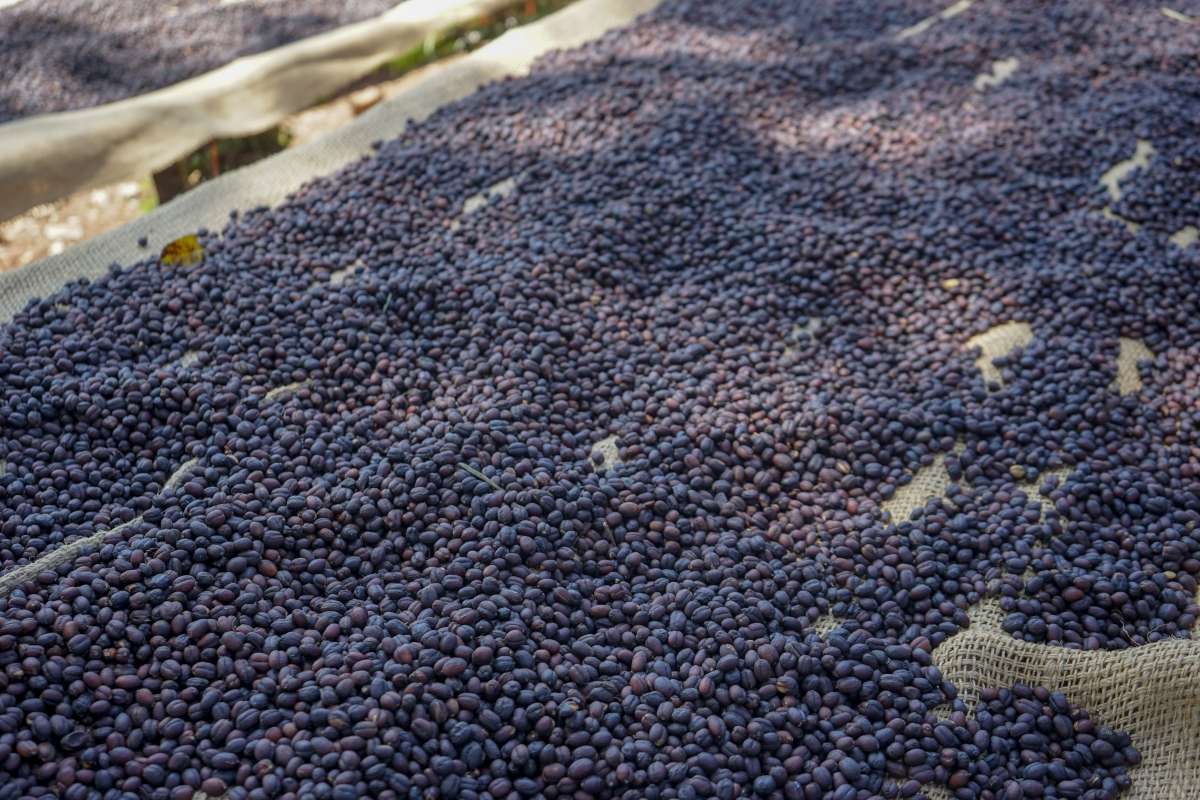
The flavor of Yirgacheffe varies with processing method: light-roasted washed Yirgacheffe highlights lemon, jasmine, and honey sweetness, with bright and lively acidity like green apples; natural Yirgacheffe presents rich tropical fruit (mango, pineapple) notes, full sweetness, and rounded acidity. Among them, the natural process G1 grade (the highest grade) is particularly typical—uniform and plump beans, low defect rate, yellow-green green beans, and after raised-bed drying (isolated from ground odors, taking over two weeks), the fruit sugars fully penetrate the bean core, forming a complex flavor of "fermented fruit wine aroma" and "thick dried fruit"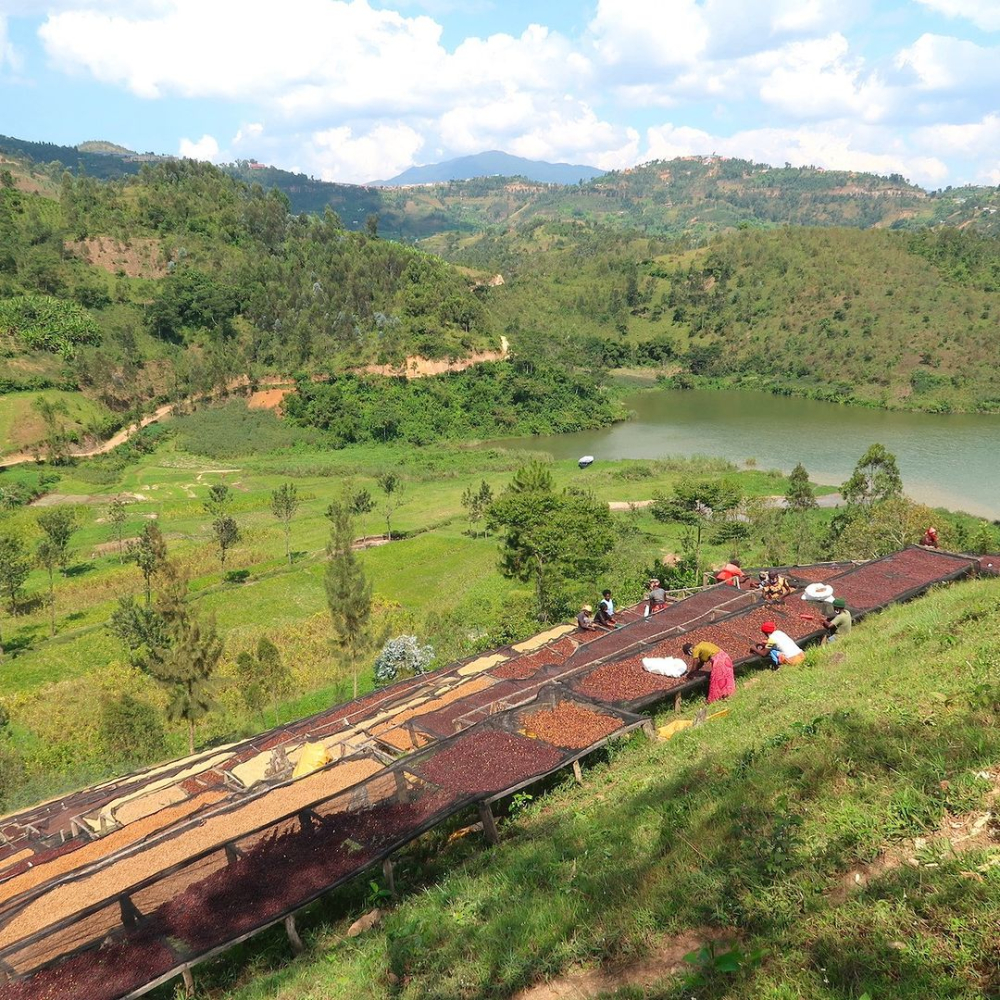 .
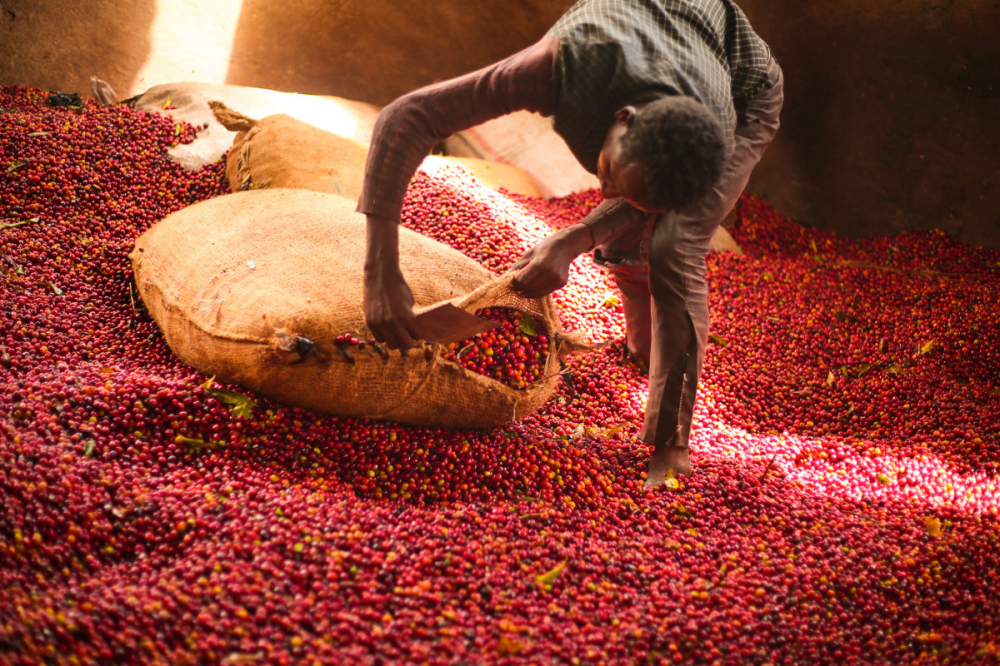
It is worth noting that the quality improvement of natural Yirgacheffe cannot be separated from projects like the "Red Cherry Project." This project ensures export beans meet international standards of 88 points or above by selecting 100% ripe red coffee cherries, standardizing natural processing (such as raised-bed drying), providing interest-free equipment loans (such as pulpers and sorters), and cupping technical support, ultimately achieving both quality and farmer income improvement.
Core Differences and Brewing Guide
In terms of variety, Geisha is an independently cultivated rare variety, while Yirgacheffe is mostly Ethiopian heirloom varieties; in terms of growing environment, Geisha's core production area is in Panama (high-altitude volcanic soil), while Yirgacheffe is in southern Ethiopia (humid highland climate); in terms of mainstream processing, Geisha is mainly natural (highlighting floral and fruity sweetness), while Yirgacheffe uses both washed and natural (washed is more refreshing, natural is more intense).
Brewing parameters suggestions: Geisha is suitable for V60 dripper, water temperature 88-90°C, coffee-to-water ratio 1:15, medium-fine grind (80% passing through a No. 20 sieve), staged extraction (32g water for blooming for 30 seconds, 125g stages, total time 1'52''); Yirgacheffe (natural) recommends V60 dripper, water temperature 91°C, coffee-to-water ratio 1:15, fine grind (78% passing through a No. 20 sieve), staged extraction (30g water for blooming for 30 seconds, 125g stages, total time 1'50''). Both require attention to avoid over-extraction leading to bitterness; you can adjust grind size and water temperature to control flavor balance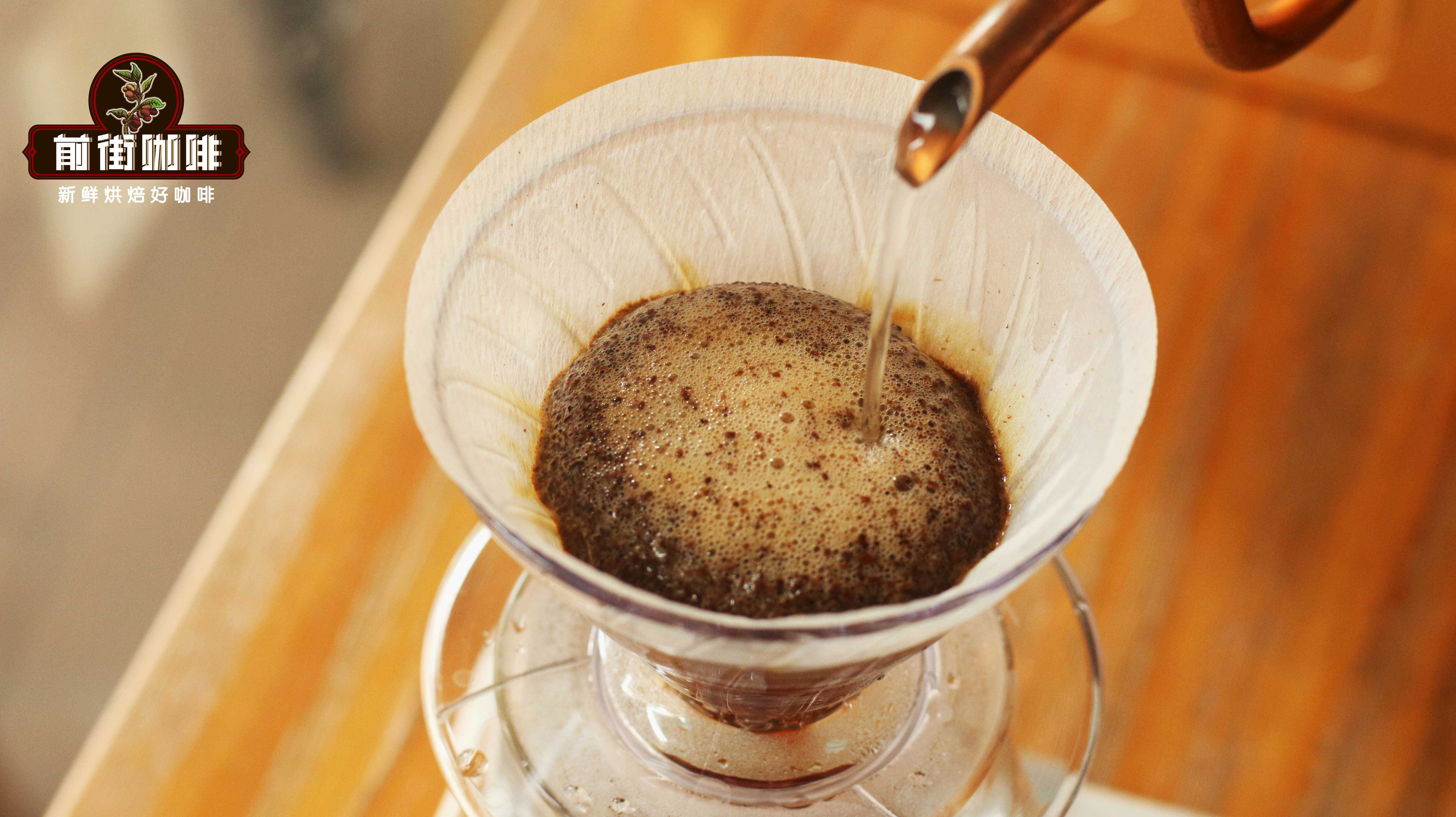
 .