Why Panama Geisha Coffee Is So Popular: Flavor Comparisons and Pour-Over Guide
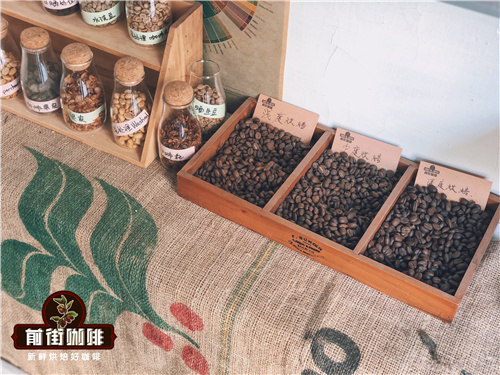
Introduction: With its distinctive floral aroma and juice-like mouthfeel, Geisha coffee has become a star variety in the specialty coffee world. This article takes an in-depth look at the differences among Geisha coffees from core regions such as Panama's Emerald Estate, compares them with the flavor characteristics of emerging regions such as Ethiopia's Gesha Village and Costa Rica's La Candelilla Estate, and offers professional pour-over recipes. Through a detailed reading of altitude, processing method, and variety, it helps coffee lovers choose the flavor they want with precision.
Geisha coffee, with its signature bright acidity, layered floral notes (such as jasmine and citrus), and tea-like finish, has long ranked at the top of specialty coffee lists. Although the auction-grade Geisha from Panama's Emerald Estate is the most famous, as the variety has been planted around the world, different regions have gradually developed unique styles due to differences in geography. Understanding the flavor codes of these regions can help consumers make more precise choices based on personal preference.
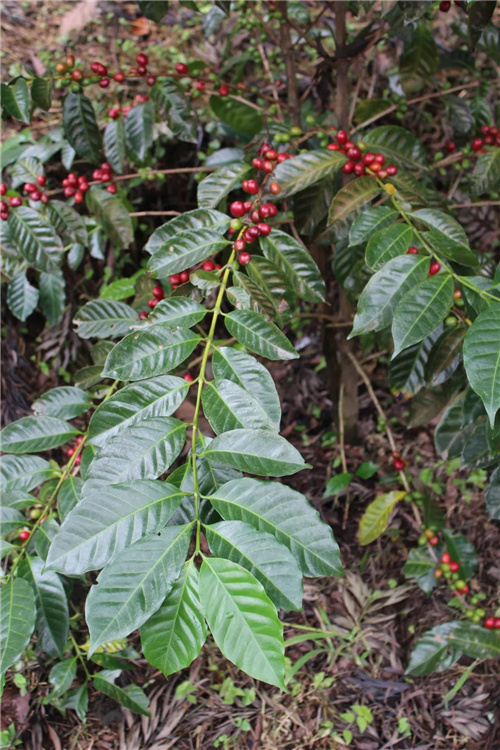
Ethiopia, a treasure trove of coffee genetics, is where the original variety found in the Gesha forest traveled via Kenya to the Americas. It is worth noting that Gesha Village in the Bench Maji region reaches an altitude of 1,900–2,000 meters, significantly higher than the 1,600–1,800 meters (red label/green label) and 1,400–1,500 meters (blue label) of the main growing areas of Panama's Emerald Estate. The day-night temperature difference brought by high altitude promotes the accumulation of more flavor compounds in the coffee beans—a principle similar to the phenomenon in which Brazilian flatland coffee often presents a thin mouthfeel while Colombian high-mountain coffee is fuller-bodied.
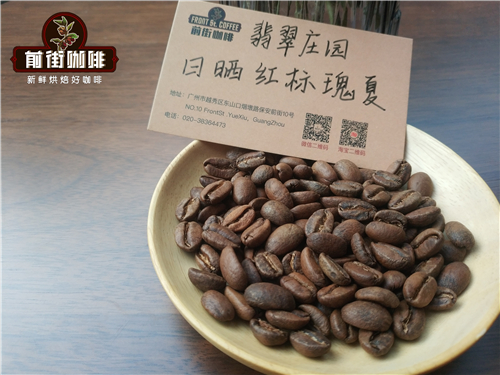
 Within Gesha Village, the grading system directly affects flavor expression: auction grade is the top scarce product; gold label/red label use sun-dried Gori Gesha; green label and blue label are mostly washed lower-altitude lots. Measured data show that when the red label natural lot is brewed with a three-stage extraction (30g bloom for 30 seconds → 125g in stages → pour to 225g), citrus notes and tropical fruit flavors stand out; the gold label, also natural (Oma block Gesha 1931 variety), under the same parameters shows a cleaner tea-like quality and higher sweetness, with a more obvious sweet, fruity-candy-like softness.
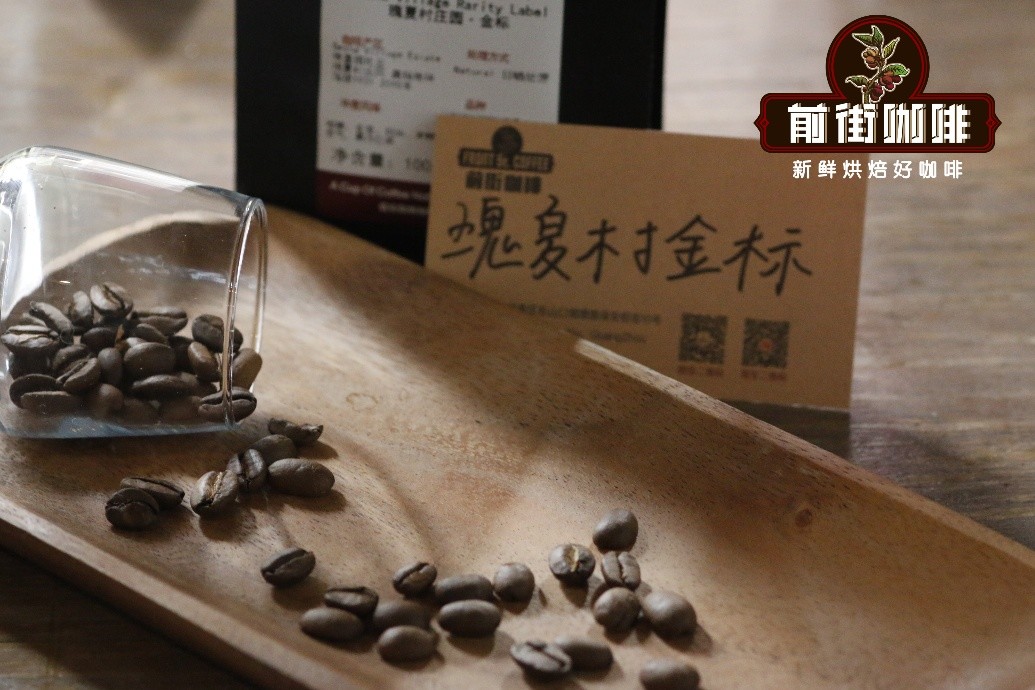
 Compared with the typical citric acidity and jasmine aroma of the Yirgacheffe region, the fruit profile of Gesha Village leans more toward tropical fruits such as passion fruit, with acidity showing a soft fermented quality. Particularly noteworthy is the Chaka lot—a series blending raw materials from multiple blocks across the estate, which presents a complex flavor through both natural and washed processing: bright citric acidity accompanied by a peach-sweet finish, with a unique osmanthus aroma emerging as it cools; its blend of three varieties—Gori Gesha, Gesha 1931, and Illubabor—creates a layered and complex tasting experience.
 Turning to Costa Rica in Central America, La Candelilla Estate in the Tarrazú region stands out with its honey processing. Located in a volcanic zone with a significant day-night temperature difference, the estate grows traditional varieties such as Caturra and Catuai while also introducing Geisha. Honey processing gives the coffee a fuller sweetness and body; when brewed it shows a distinct floral base and bright citrus acidity, forming an interesting contrast with the tea-like style of Panama Geisha—the latter is closer to a green-tea-like expansiveness, while the former has a honey-like viscous texture.
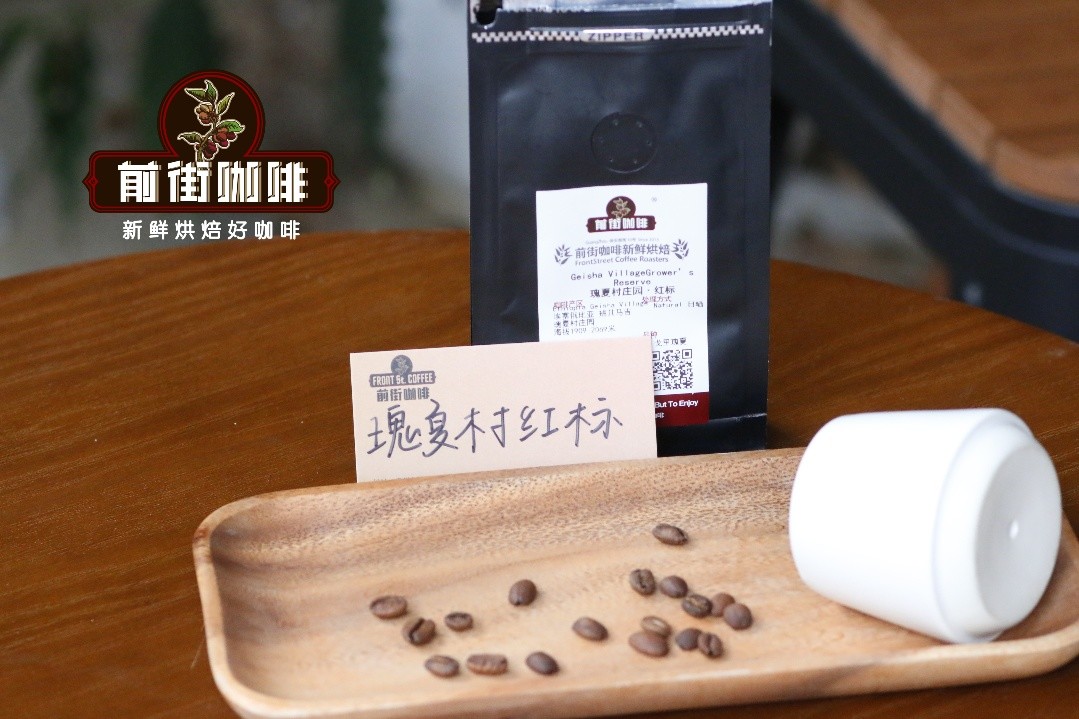 Back in Panama, one of the birthplaces of Geisha, the Emerald Estate's three core regions each have their own characteristics: the Jaramillo and Cañas Verdes regions (which produce red label/green label) cultivate a balanced style combining floral and fruit notes thanks to fertile volcanic soil and altitudes above 1,600 meters. Testing found that although green label is a blended-block product, because it is also grown at high altitude and carefully processed, its classic flavor (citrus acidity + jasmine aroma) is more than 80% similar to red label, with only slightly less body than auction-grade products.
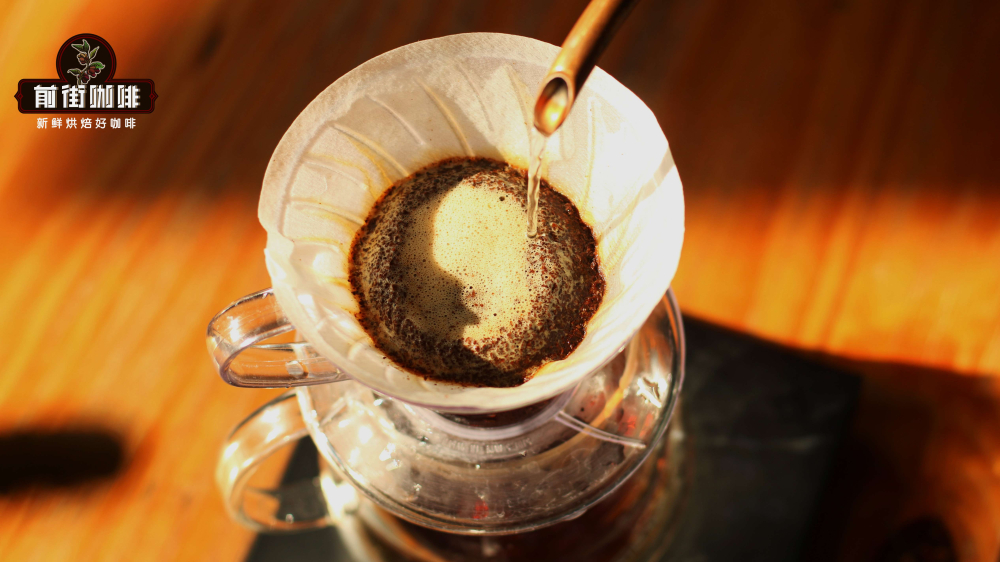
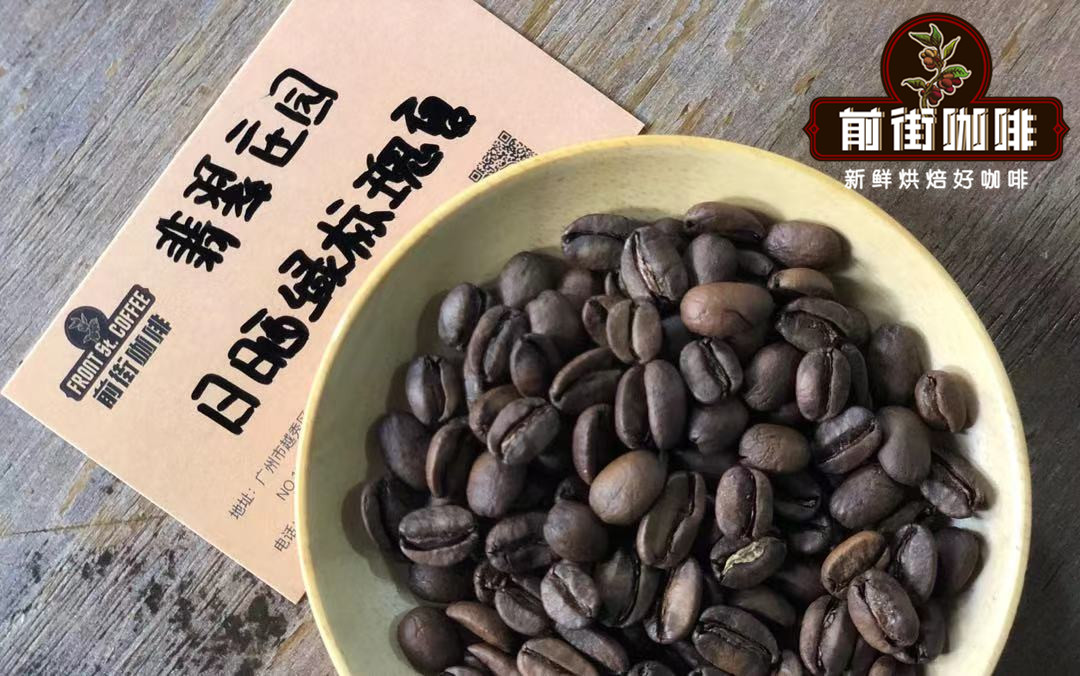 For novice consumers, it is recommended to start with Panama natural green label Geisha: set the grind to 80% passing a No. 20 sieve (about medium-fine), and with a V60 dripper use a water temperature of 90–93°C and a 1:15 coffee-to-water ratio. The specific process is: 30g water bloom for 30 seconds to activate the aroma → small-stream circular pour to 125g in stages → finally pour to 225g and remove the dripper once the liquid level drops; keep total extraction time at 2 minutes. These parameters effectively highlight Geisha's signature bright acidity and floral-fruity notes while avoiding the bitterness caused by over-extraction.
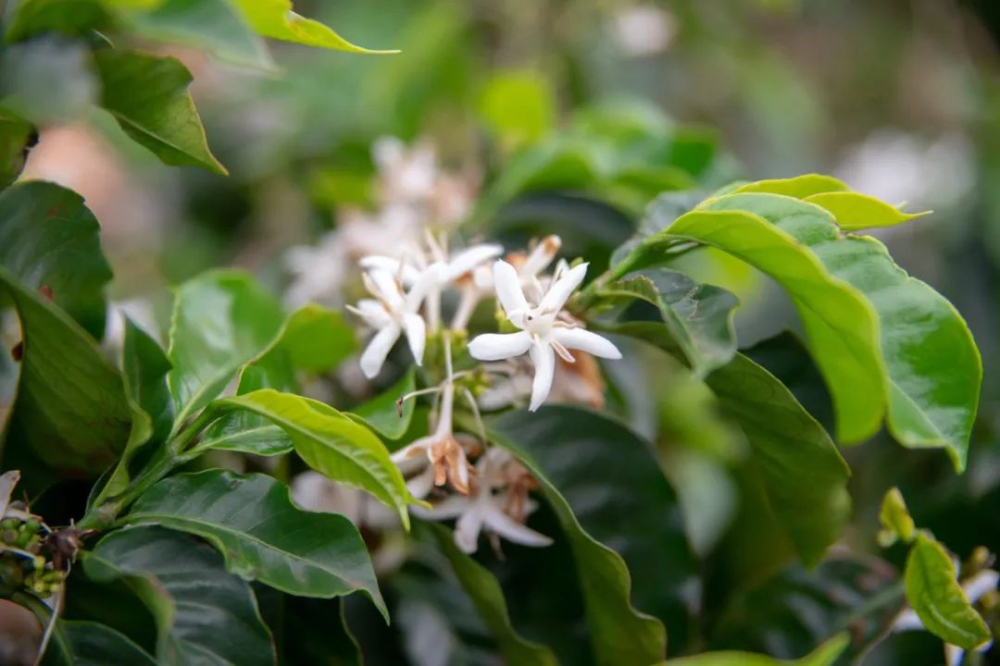 As regions such as Colombia and Costa Rica successively introduce Geisha, the global coffee market shows a trend toward diversification. Professional cupping shows that while the core characteristics of Geisha from different regions (floral aroma, citrus acidity) remain consistent, through altitude adjustment (acidity rises about 5% for every 100 meters of elevation), processing innovation (such as anaerobic natural extending fermentation time), and slight variety adjustments (such as the genetic differences between Gesha 1931 and Gori Gesha), a rich spectrum is ultimately formed, from fresh tea-like (Panama Emerald) to intense fruity-honey (Costa Rica honey processing).
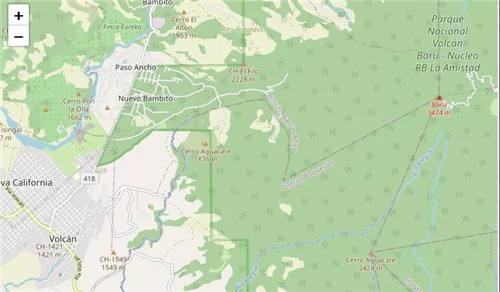 When buying, note: Emerald Estate red label usually comes with an auction number and strict picking standards (only micro-lots above 1,800 meters are selected); while Gesha Village's gold label and Chaka lot are better suited to consumers seeking value for money. For brewing, it is recommended to adjust parameters according to the processing method—natural lots can have a slightly longer bloom (35–40 seconds), while washed lots require a lower water temperature (88–90°C) to highlight freshness. Once you master these points, you will be able to more accurately taste the unique charm of Geisha from each region.