Panama Geisha Coffee Grading: Flavor Profiles and Brewing Guide
Introduction: Panama Hacienda La Esmeralda Geisha coffee is globally renowned for its unique floral and fruity notes, and its grading system is complex with significant quality differences. This article provides an in-depth analysis of the differences between the red, green, and blue label grades, reveals the selection criteria for auction-grade Geisha, and offers professional flavor descriptions and brewing parameter references to help coffee enthusiasts accurately choose the right Geisha beans.
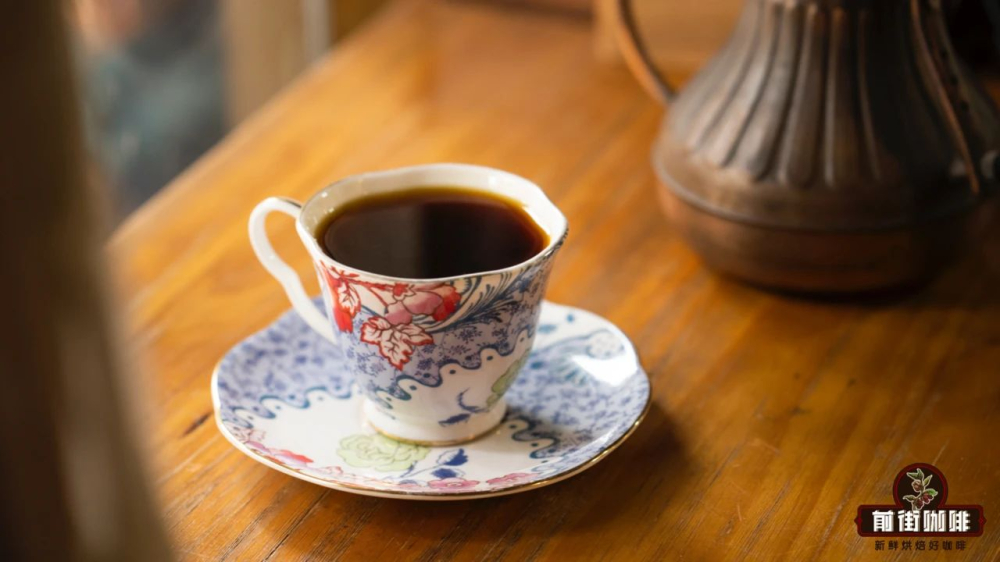
In the global specialty coffee market, Panama Geisha has always held a special place. This coffee variety, originating from Ethiopia, has been revitalized in Panama's unique high-altitude environment. Especially the Geisha produced by Hacienda La Esmeralda, with its layered floral notes (jasmine, white rose) and tropical fruit tones (citrus, lychee, berries), has become a benchmark in the minds of coffee connoisseurs. Its price system strictly corresponds to cultivation altitude and processing methods, and understanding these differences is key to selecting high-quality Geisha.
Panama's geographical conditions provide an ideal growing environment for Geisha—highlands above 1400 meters, significant day-night temperature differences, and the rich minerals of volcanic soil together create Geisha's bright acidity and full body. It is worth noting that high altitude is not the only determining factor. Through meticulous plot management, Hacienda La Esmeralda divides Geisha from different microclimatic areas into independent brands. Among them, Red Label Geisha uses only the two auction-grade plots Jaramillo and Cañas Verdes, with altitudes strictly controlled at 1600-1800 meters.
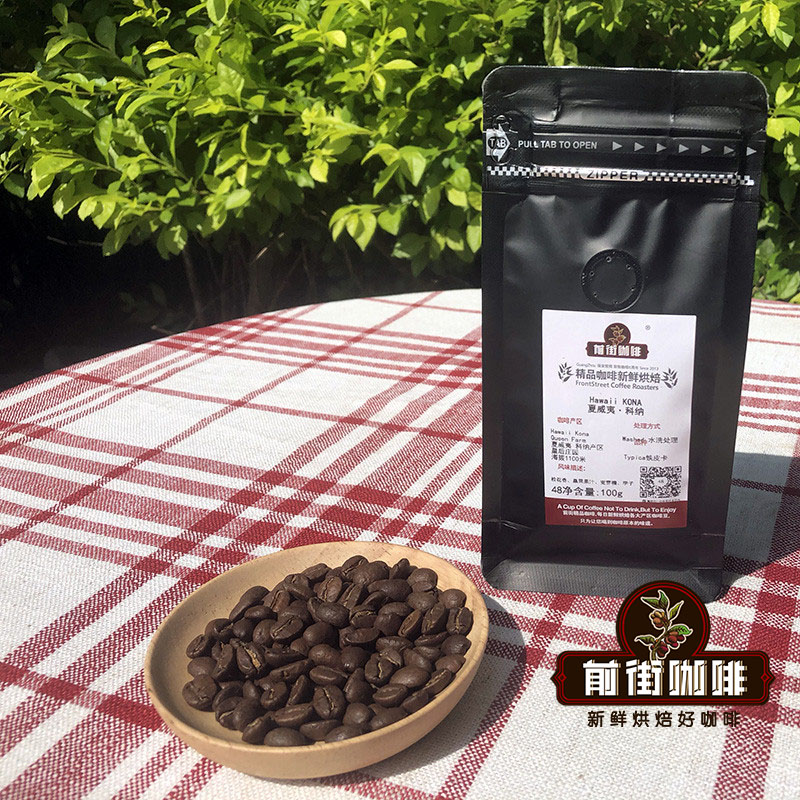
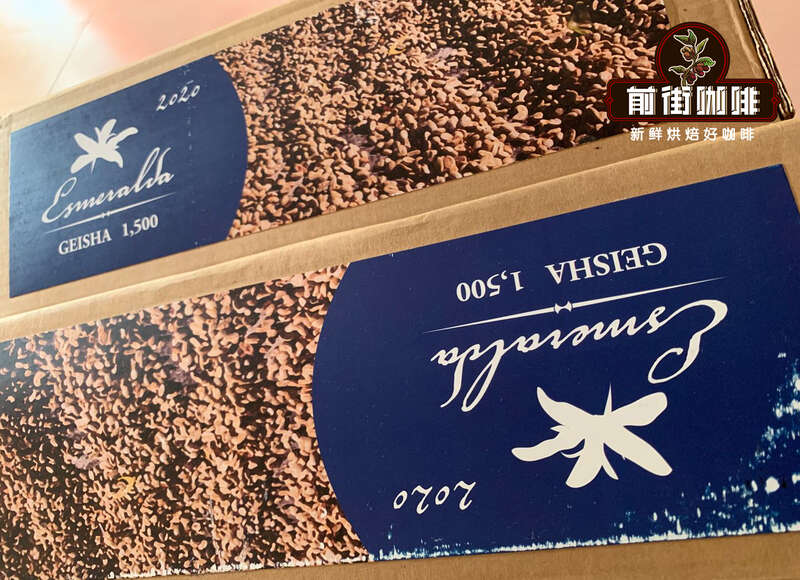
Hacienda La Esmeralda's Geisha grading system includes five major brands, with the Geisha series subdivided into three core grades: Red Label, Green Label, and Blue Label. Red Label Geisha represents the highest quality, requiring rigorous cupping scores (≥90 points), using natural or washed processing, and presenting complex aromas of peach, honey, and black tea. Green Label is a blend of non-auction micro-lots, retaining basic Geisha characteristics but with slightly less complexity. Blue Label (Geisha 1500) is positioned as an entry-level grade, with altitudes of 1400-1500 meters, mainly washed (a natural version was added in 2023), highlighting fresh citrus and soft fruit acidity. Special note: auction Red Label is only available through global auctions; commercially sold Red Label, though from the same source, has not gone through the auction process and offers better value.
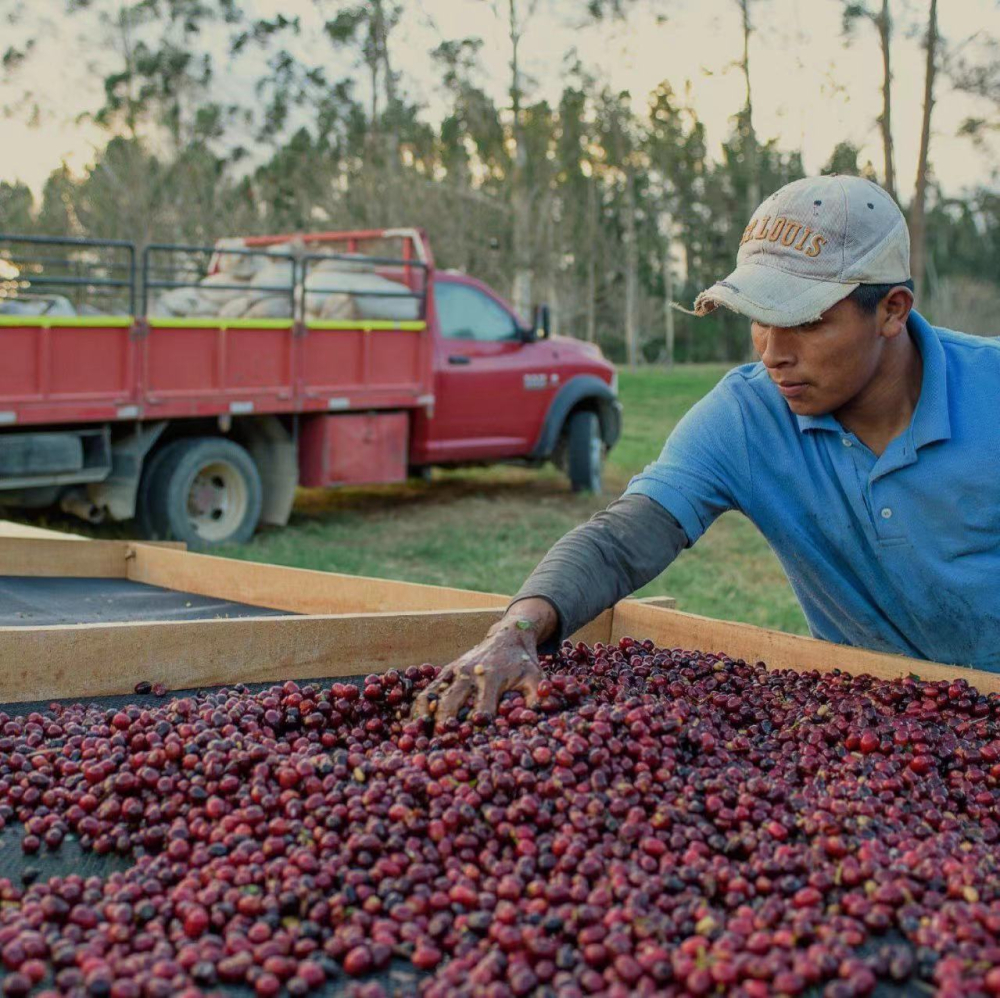
Processing methods directly affect Geisha's flavor expression. Washed Geisha, through fermentation after removing the mucilage layer, enhances cleanliness and bright acidity (e.g., Hacienda La Esmeralda washed Red Label often has lemon black tea and jasmine notes). Natural processing extends the contact time with the fruit pulp, developing dried tropical fruit and caramel sweetness (the new natural Blue Label adds winey and apricot flavors). Processing plants typically follow a standard flow: floatation to remove defective beans → depulper to separate mucilage → temperature-controlled fermentation (24-36 hours) → drying to 11%-13% moisture content. Rinsing with mountain spring water can effectively improve purity.
Brewing parameters need to be adjusted specifically for different grades of Geisha. For pour-over, a V60 dripper (1:15 coffee-to-water ratio) is recommended. Red Label Geisha can use 92-94°C water temperature + medium-fine grind (75% passing a standard No. 20 sieve) to highlight floral and fruity notes. Green Label, due to its blended nature, is suitable for 90-92°C water temperature + slightly coarser grind to balance layers. The natural Blue Label is recommended to have an extended bloom time (30 seconds) to stimulate sweetness. It is worth noting that Geisha's delicate flavors can easily be masked by over-extraction, so a center-pour water stream should be used to avoid disturbing the coffee bed structure.
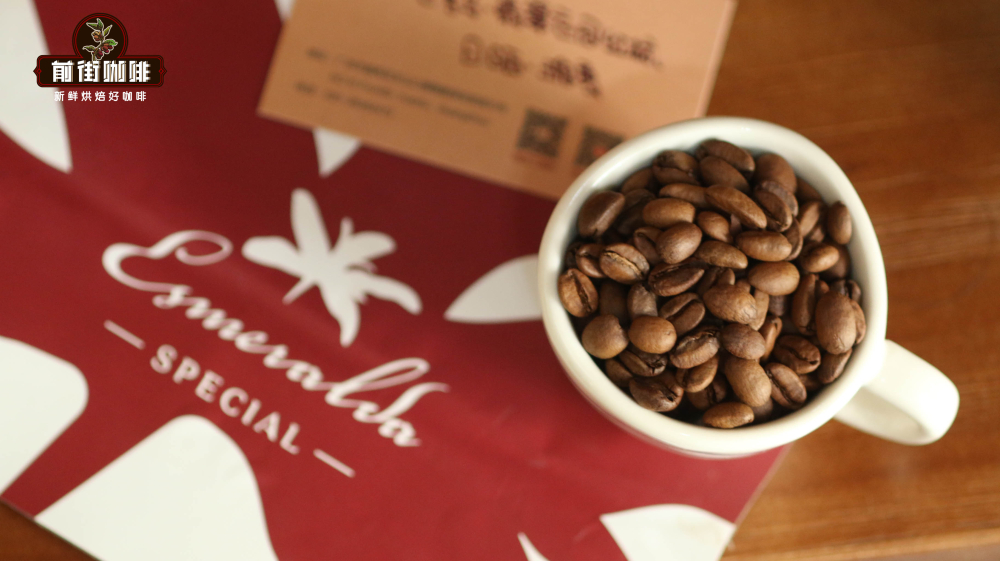
From the perspective of production areas, Boquete and Volcán in Panama are the core Geisha growing zones. Hacienda La Esmeralda, as a benchmark, has its Jaramillo plot Red Label Geisha known for honey sweetness and black tea finish, while the Cañas Verdes plot produces beans with more bergamot and melon characteristics. Compared with other regions, Costa Rica's La Luz Geisha leans towards nutty chocolate tones, and Ethiopia's Gesha Village retains more original herbal notes. The Panama version, with its balanced sweet-acid ratio and layered transitions, better suits the general palate.
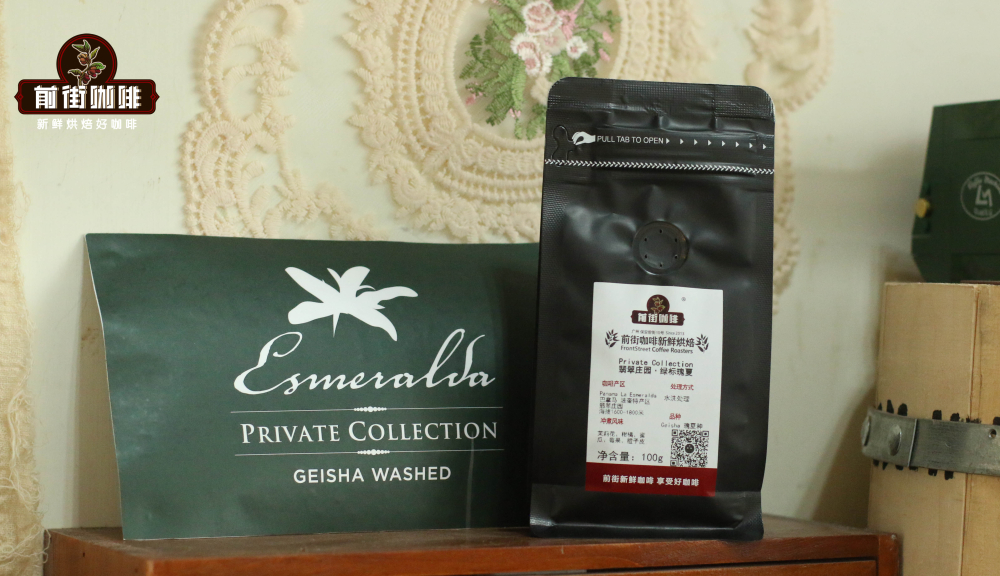
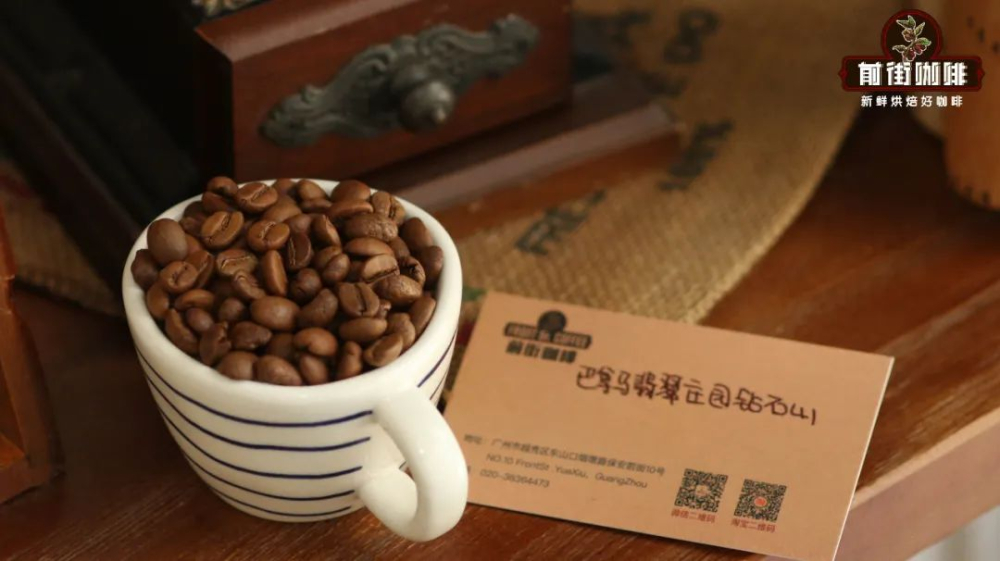
When purchasing Geisha, be aware of common misconceptions: high price does not necessarily mean it suits your personal taste; beginners can start with washed Blue Label; auction Red Label and commercial Red Label come from the same source but different distribution channels, with the latter offering better value; natural processed beans require more attention to moisture-proof storage, and it is recommended to use them within two weeks after opening. Professional roasters typically customize roasting curves for different grades of Geisha, for example, light roast (Agtron 75-80) to highlight floral notes, medium roast (Agtron 65-70) to balance body and acidity.
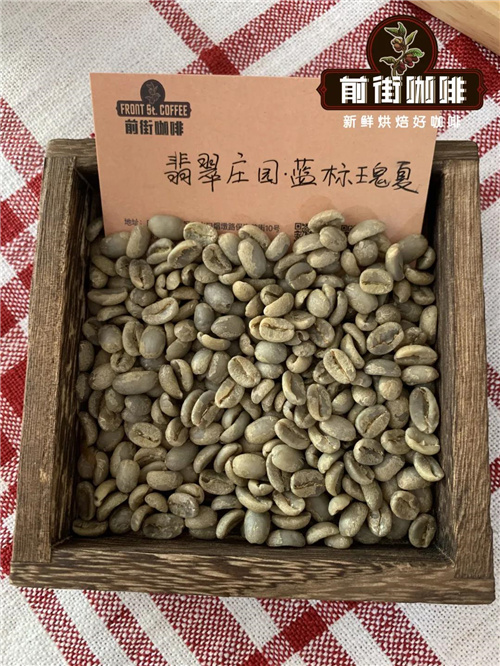
Hacienda La Esmeralda's selection process is rigorous: after picking, coffee cherries undergo density floatation (removing unripe beans), and then batches with flavor defects are eliminated through cupping. The auction version of Red Label Geisha must pass three rounds of blind testing by an international jury, with the final score directly linked to the auction price (in recent years, the average price of champion lots has exceeded 800 USD per pound). For ordinary consumers, choosing a reputable roaster is particularly important. High-quality Geisha green beans should show a blue-green luster and uniform particles, and after roasting, develop a distinct dry aroma of citrus peel and white flowers.
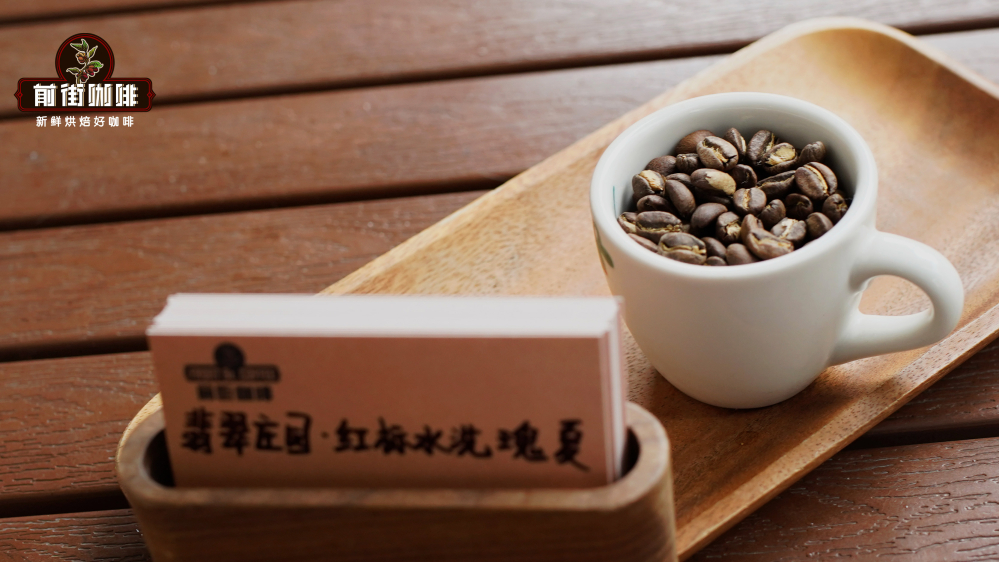
In summary, the charm of Panama Geisha lies in its perfect combination of terroir and processing. From the complex layers of top auction Red Label to the fresh sweetness of entry-level natural Blue Label, each grade represents different consumption scenarios and flavor preferences. Understanding the grading standards and processing differences can help coffee enthusiasts more accurately explore the infinite possibilities of Geisha.