Honduran Specialty Coffee: Brands, Regions and Flavor Guide
Introduction: Honduras coffee holds an important place in the global specialty coffee market thanks to its unique high-altitude growing environment and strict grading system. This article examines in depth the flavor characteristics of the country's six major producing regions, its altitude grading standards, and the influence of different processing methods on flavor, and includes brewing flavor references from representative farms to help you precisely select Honduran coffee beans that match your personal taste.
At the start of the 21st century, the Honduran coffee industry reached a turning point—this country, once dominated economically by bananas, rose to become one of the world's top five coffee producers on the strength of high-quality Arabica beans, with annual output exceeding 475,000 tons. Although it still lags behind Brazil and Vietnam in scale, its efforts in quality improvement are especially notable: today the country exports high-quality washed Arabica beans in quantities ranking among the world's highest, and it continues to optimize cultivation and processing techniques.
Honduras uses a unique altitude grading system to precisely classify coffee quality: Strictly High Grown (above 4,400 feet), High Grown (3,900–4,400 feet), and Central Standard (below 3,900 feet). The higher the altitude, the greater the temperature difference between day and night, and the sugar accumulation and flavor complexity of the coffee beans are usually better.
The country's coffee flavors show distinct regional characteristics: overall, chocolate, nuts and tropical fruit form the main base, with a clean and balanced mouthfeel, bright acidity and mild sweetness. The microclimates and soil conditions of different regions further shape unique layers of flavor.
Honduras's six core growing regions each have their own charm: Copán (3,300–5,000 feet) is known for sweet citrus, chocolate and caramel flavors, with relatively restrained fruitiness; Opalaca (usually above 5,000 feet), whose high-altitude environment produces intense mango aroma, strong acidity and bright fragrance; Montecillos (often above 5,300 feet), where cool nights slow bean maturation, giving stone-fruit notes and extreme sweetness; Comayagua (3,300–5,000 feet), whose coffee is low in acidity and soft, with a faint citrus note; El Paraíso (about 4,600 feet, in the south), an award-winning region whose complex aromas of jasmine, apple, blueberry and peach are unforgettable; and Agalta (3,600–4,600 feet), whose humid climate leads growers to mostly use wet-washed processing, producing full-bodied coffee with rich chocolate flavor and full sweetness.
As Central America's largest coffee producer, Honduras is in fact the world's second-largest producing region if only washed Arabica beans are counted. Notably, the country's coffee industry is supported by 110,000 smallholder farmers, and manual picking remains the mainstream harvesting method; after the rainy season ends each year, from November to March, comes the best time to pick coffee cherries.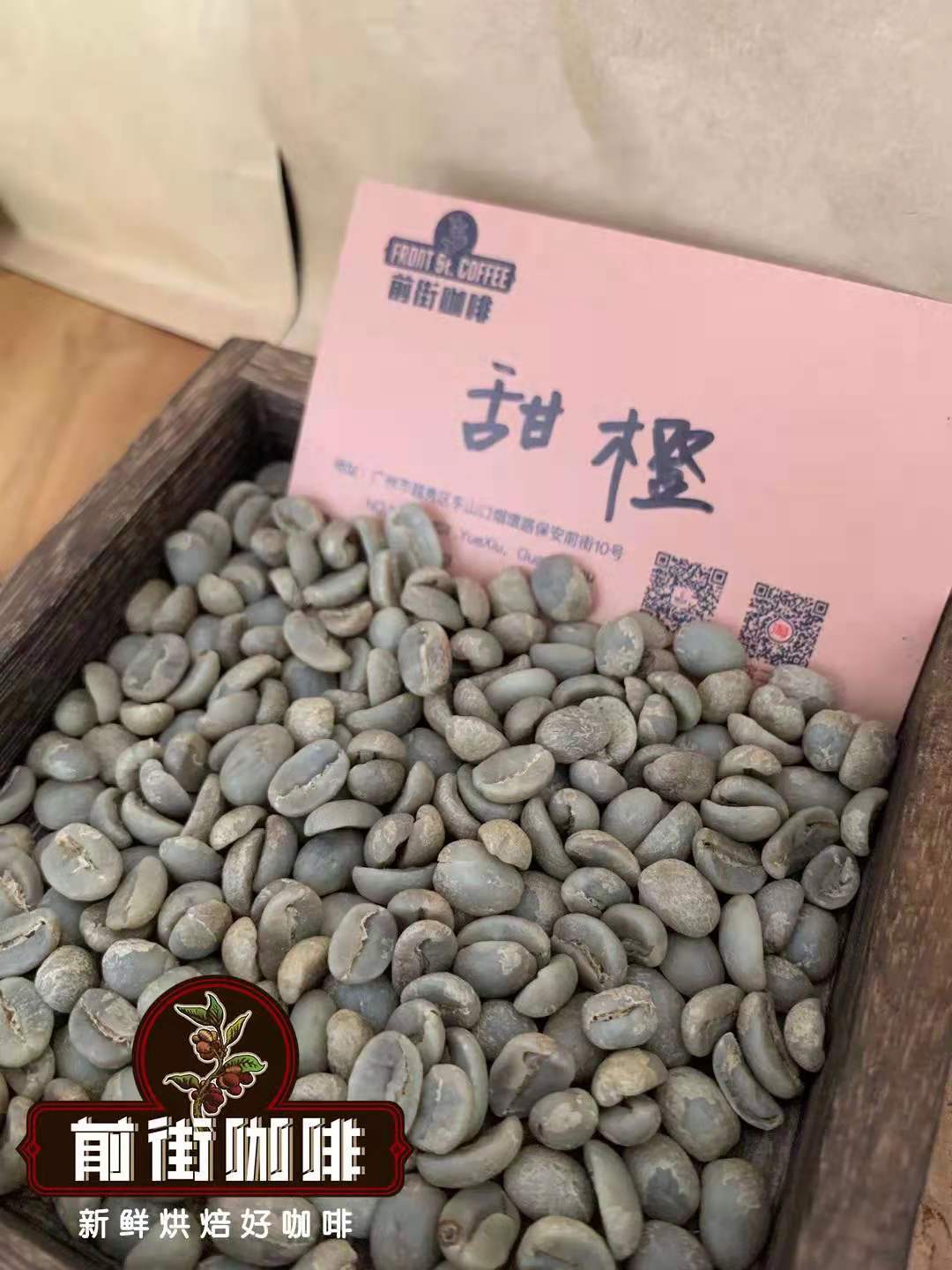
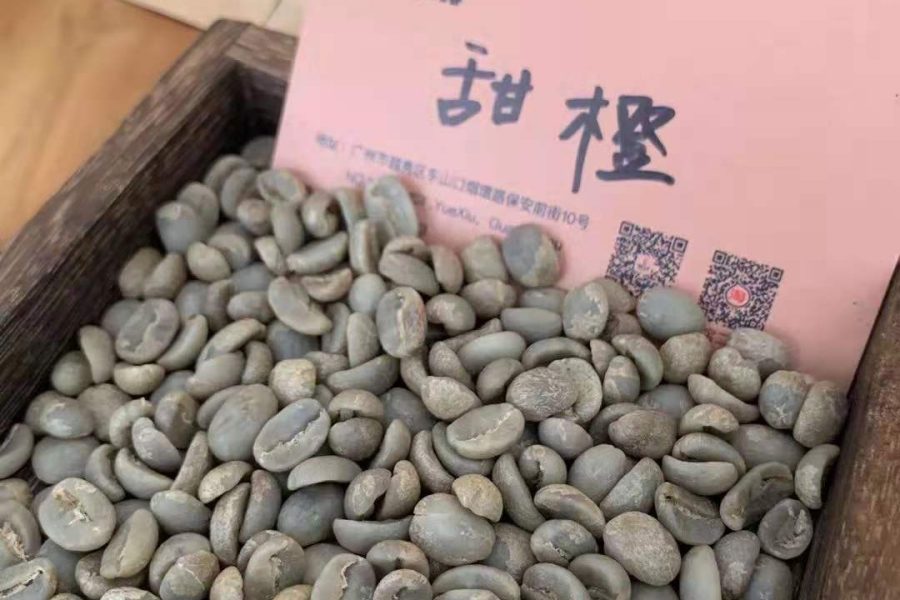
Take the Sweet Orange Estate in the Marcala region as an example (1,425 meters above sea level, growing the Catuai variety, using washed processing): its flavor profile is quite representative. In the dry aroma stage it gives off the warmth of spices and roasted peanuts; once brewed, the acidity is soft and the berry notes are clear; the main flavor layer combines the fresh fruitiness of orange and melon, the creamy texture of cream, the richness of nuts and the slight bitterness of dark chocolate; the finish has a sweet, moist aftertaste like genmaicha. Overall it is richly layered and highly balanced. This type of typical flavor can serve as a flavor reference for enthusiasts, helping them choose coffee beans from a corresponding region or processing method according to personal preference.


