Sumatra's Four Coffee Varieties: Is Low-Acid Mandheling Suited to Dark Roasts?
Introduction: Sumatra coffee is famed worldwide for its uniquely full-bodied flavor, but the differences between varieties from different regions are often overlooked. This article takes a deep look at the flavor characteristics, growing altitudes and processing methods of four main varieties including Lintong and Mandheling, and answers common questions about dark roast suitability, helping coffee lovers choose the bean that best suits their personal taste.
The Indonesian island of Sumatra, an important specialty coffee region worldwide, produces four of the most representative coffee varieties: Mandheling, Ankola, Lintong and Gayo/Aceh. Differences in growing environment and processing methods give these beans a rich range of layers, from spicy notes to full-bodied earthy flavors.
The Mandheling variety is the most widely known Sumatra coffee. Although the name comes from the local Mandailing people, its actual production is concentrated in the area around Padang at altitudes of 2,500-5,000 feet. Its flavor is known for low acidity, often with spice notes such as cinnamon and nutmeg, accompanied by a faint aftertaste of chocolate and licorice. Professional roasters recommend a medium-dark roast to balance its full body with its faint acidity, and when brewing pour-over, note that a water temperature of 92-94°C avoids over-extraction.
The Ankola variety's uniqueness lies in its dry processing—unlike the mainstream wet-hulled method, this sun-dried processing retains more mucilage on the bean surface, creating a fuller body and distinct, full-bodied acidity. In appearance the beans are more even and intact, and the flavor leans toward nutty notes, suitable for drinkers who prefer clean acidity.
The Lintong region, around Lake Toba, produces coffee with a medium body; its altitude environment creates a crisp character that sets it apart from other Sumatra varieties. Typical flavors include cedar wood aroma and clear spice layers, and the earthy aftertaste, when well processed, turns into a mineral sensation. Professionals recommend a medium roast to highlight its hidden citrus flavors, and the water-to-coffee ratio can be adjusted to 1:15 to enhance the layered expression.
The Gayo/Aceh variety is grown at high altitudes of 4,200-5,200 feet, the highest coffee-growing region in Sumatra. Besides its consistent low-acid character, this variety is known for its aging techniques—beans properly stored for months or even years develop honey sweetness and complex oxidized flavors. Note, however, that aged beans have strict storage requirements; for home storage, one-way valve sealed canisters are recommended, with regular checks of moisture content.
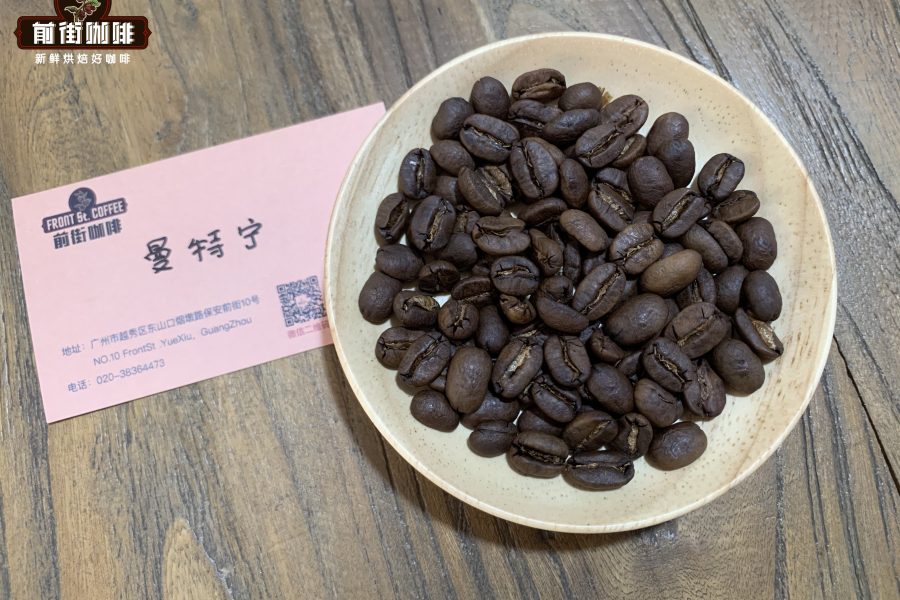
On the question of dark roast suitability: Sumatra coffee's generally low-acid character is indeed suited to darker roast levels, but not absolutely. Dark roasting strengthens its signature full body and spice notes, but over-roasting turns earthy flavors into burnt bitterness. Professionals recommend observing the oiliness of the bean surface—a medium-dark roast (the start of second crack) usually best presents its flavor balance point. For pour-over parameters, a coarse grind with a longer extraction time (3-4 minutes) helps bring out the complex layers.
Differences in flavor perception mainly stem from the unique wet-hulling process (Giling Basah): this Indonesia-specific hulling method is carried out when the beans have a high moisture content, causing irregular wear on the surface and lengthening the drying cycle. Although this process softens some of the bright acidity, it also promotes the transformation of woody notes and sugars, ultimately forming the signature syrupy texture and full-bodied flavor. First-time tasters can compare Sumatra coffee with Ethiopian Yirgacheffe to more easily understand how regional terroir affects flavor mechanisms.


