Costa Rica Tarrazu vs. Tres Rios: Flavor Comparison and Pour-Over Tips
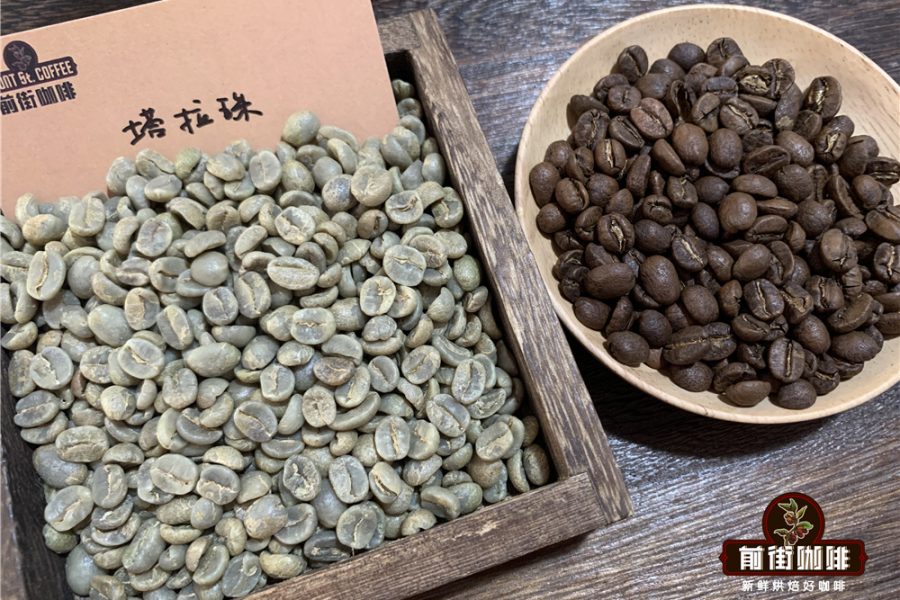
Introduction: A deep dive into Costa Rica's two major specialty coffee regions—Tarrazu and Tres Rios—covering their flavor differences from altitude and processing method to flavor characteristics, and how these two globally renowned SHB-grade coffees shape the pour-over experience. Brewing parameters are included to help you precisely capture the subtle balance of citrus notes and caramel sweetness.
Costa Rica, nestled in the narrow isthmus of Central America, has become a key coordinate on the global specialty coffee map thanks to its exceptional geography. Cradled by the Pacific Ocean and the Caribbean Sea, the country is home to numerous highlands with mineral-rich volcanic soil, and together with stable annual rainfall of over 2,000 mm and a subtropical climate with pronounced day-night temperature swings, this provides nearly perfect growing conditions for Arabica coffee trees.
Since coffee was introduced to the country in 1729, it has gradually built a strict system of coffee regulations—it is not only one of the few countries in the world where Robusta cultivation is explicitly banned, but also uses a grading system to ensure coffee quality. Among these, Strictly Hard Bean (SHB) grown above 1,500 meters is regarded as a top-tier raw material; because of their long growing cycle, such beans tend to accumulate richer flavor compounds.
Among the many producing regions, Tarrazu and Tres Rios stand out as the two jewels. Both located in the core of the Central Mountain Range, these two areas are less than 100 kilometers apart in a straight line, yet their microclimate differences give rise to distinctly different coffee characters. Thanks to the longer sunlight hours brought by its higher latitude and its vast planting area, Tarrazu coffee often displays bright citrus acidity and dark berry aromas such as blackberry, with a finish that frequently carries a caramel-like mellow sweetness; this layered expression makes it a regular at auction-level specialty coffee.
By comparison, Tres Rios, though also SHB grade, has a more restrained and elegant flavor profile shaped by the special microclimate created by its proximity to a chain of active volcanoes. Coffee from here typically opens with soft citric acidity, unfolds gradually with white floral notes reminiscent of jasmine tea, and in the mid-palate reveals a clever balance between red apple sweetness and a moderate nutty character, finally closing with a clean, honey-like finish. Of particular note, because the region has a unique water environment formed by the confluence of three rivers, the honey processing method popular locally can more effectively preserve the natural sugars in the mucilage layer.
For coffee lovers, the differences between the two beans can be identified through their brewing performance. When brewing with a V60 dripper, Tarrazu is best with a medium-coarse grind (similar to rice grains), a water temperature of 92-94°C, and a 1:15 coffee-to-water ratio with staged pouring to better highlight its lively fruit acidity; Tres Rios suits a slightly finer grind (fine sugar consistency), paired with 90-92°C water and a gentler flow rate to help bring out its delicate floral layers. For both, freshly roasted beans are recommended (7-21 days after roasting); with adequate resting, Tarrazu's body becomes noticeably fuller, while Tres Rios's sweetness is further amplified.
Another distinctive feature of Costa Rica's coffee industry is its innovative honey processing. Unlike the thorough demucilaging of the traditional washed method, this technique—adapted from semi-dry processing—precisely controls the amount of mucilage retained (typically 30%-100%) and combines it with 10-14 days of drying on African raised beds, causing a unique caramelization reaction during fermentation. In actual tasting, honey-processed Tarrazu often shows more pronounced toffee notes, while the Tres Rios version intensifies tropical fruit fermentation aromas; this processing method has become one of the key indicators distinguishing regional characteristics.


