Brazilian Coffee: Soft or Hard Beans? Cerrado Flavors Explained
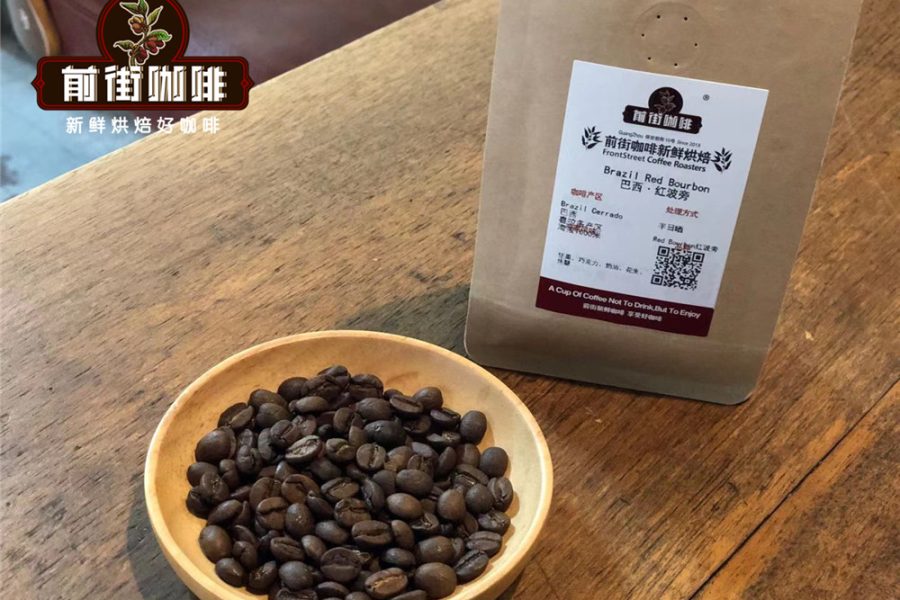
Introduction: Brazil is the world's largest coffee producer, and its coffee beans are often discussed in terms of whether they are soft or hard, and whether coffee from the Cerrado region qualifies as low-acid specialty coffee. This article takes an in-depth look at Brazil's coffee grading system and the terroir of its main producing regions, with a focus on the growing conditions, processing methods, and flavor characteristics of Minas Gerais and the Cerrado region, to help coffee lovers understand the diversity of Brazilian coffee and the basis for choosing it more precisely.
Brazil has fourteen major coffee-producing regions spanning seven states, with Minas Gerais, São Paulo, Bahia, Espírito Santo, Paraná, and Rondônia standing out in particular. If you could remember only one coffee region in Brazil, it would have to be Minas Gerais—it accounts for nearly 50% of the country's coffee production and is also the source of many specialty coffees.
Brazil has an extremely detailed and complex grading system for coffee. Unlike the familiar Kona coffee grading, it combines three key elements: bean size, appearance and color, and screening standards based on cupping (a process similar to wine tasting). After evaluation, the beans are ultimately classified into several grades, from highest to lowest: Very Soft, Soft, Softish, Hard, Riada, Rio, and Rio Zona. This system not only reflects the physical characteristics of the beans themselves but is also directly related to their flavor potential.
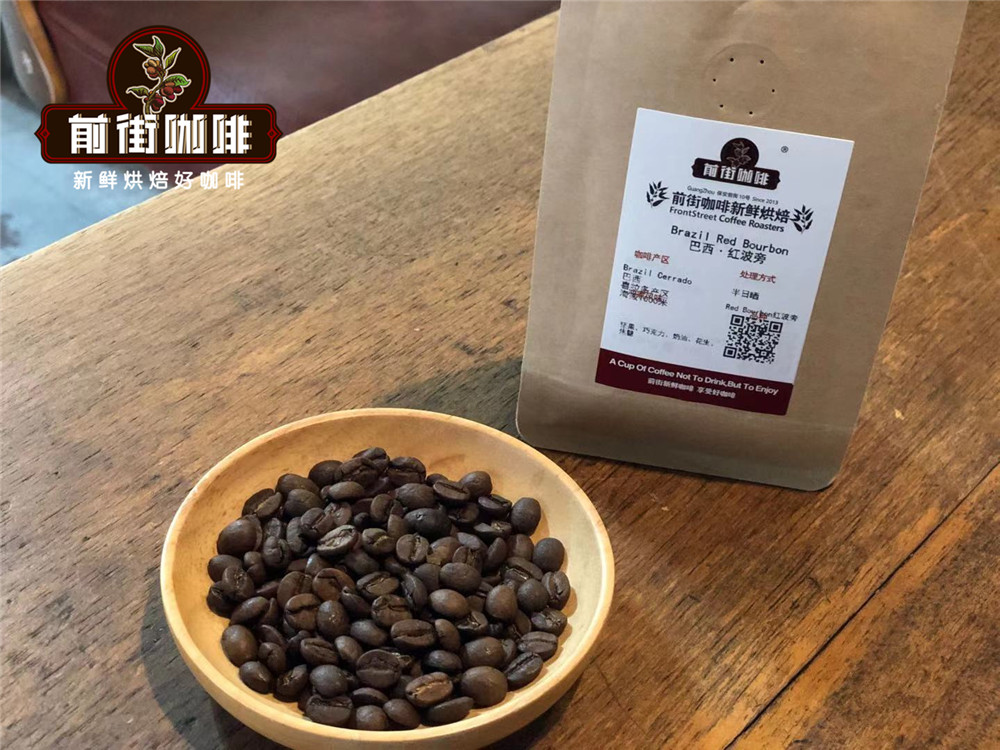
Overall, Brazilian coffee is known for its pronounced sweetness, full body, relatively low acidity, and caramel and chocolate notes. Because of differences in altitude, climate, and soil, each region also shows subtle flavor variations, so the world of Brazilian coffee is full of possibilities for exploration.
In Brazil, coffee grown at lower altitudes usually matures faster due to higher temperatures and is mostly soft beans. These beans have a balanced, smooth mouthfeel, higher body, and inconspicuous acidity, which highlights their sweetness—a flavor profile most consumers find easy to accept. So-called "hard beans" generally grow at higher altitudes, are denser, have brighter flavors, and relatively more prominent acidity, but they are not the mainstream in Brazil.
The Cerrado Coffee Region is located in Minas Gerais, a plateau savanna area extending across the state at altitudes of about 850–1,200 meters. This region differs noticeably in geography and growing conditions from Sul de Minas, which is also in Minas Gerais but farther south. Cerrado's terrain is flat and open, very suitable for building large-scale plantations. In addition, the distinct dry and wet seasons and the relatively cool plateau climate make the coffee cherries ripen more uniformly, which helps improve overall quality and harvesting efficiency.
For this reason, the Cerrado region stands out among Brazil's many coffee regions and has become one of the representatives of high-quality Brazilian beans. Coffee cultivation here is usually concentrated at around 1,000 meters, and the soil is fertile and rich in various minerals, which benefits the growth of coffee trees and the accumulation of flavor compounds. Washed or semi-washed processing is commonly used locally, making the coffee's flavor more refined and clean, with a distinctive genmaicha aroma often in the finish; some lots also offer nutty sweetness or mild milky notes, with rich layers and considerable character.
When buying, you can look specifically for Brazilian coffee products labeled "Cerrado region" or "Cerrado." These coffees are often sold as Grade G1 (the highest grade), carefully screened and processed, with medium nutty aroma, a soft and smooth entry, and a slightly sweet finish. Some washed specialty Cerrado coffees may also show faint floral notes and a slight citrus or lemon-like acidity, adding more flavor dimensions. It is worth noting that although Brazil's overall altitudes are not as high as those of Colombia or Ethiopia, some high-quality plots in Cerrado are also around 1,000 meters, enough to produce balanced and distinctive coffee flavors.


