Brazil São Paulo Cerrado Region Guide: Specialty Coffee Flavors and Growing Features
Introduction: Brazil is the world's largest coffee producer, and São Paulo state, as one of its historic producing regions, is home to the Cerrado area, a representative of specialty coffee. This article takes an in-depth look at Cerrado's geography, growing characteristics and flavor profile, showing how this region uses scientific farming and meticulous processing to produce high-quality beans with rich nutty aroma and prominent sweetness, offering coffee lovers a reference for choosing and tasting beans.
Brazil has about 25,900 square kilometers of coffee-growing area, equivalent to the entire state of Massachusetts. The country is divided into fourteen major coffee regions, concentrated in seven states, with production particularly prominent in Minas Gerais, São Paulo and Bahia.
São Paulo state is one of Brazil's oldest coffee-growing regions and is also home to the important port of Santos. The state has only two core growing areas: Centro-Oeste de São Paulo and Mogiana. The former is mainly hilly terrain dotted with many small and medium-sized farms; the latter, thanks to its high altitude and mild climate, produces coffee with balanced sweetness and consistent quality.
Of particular note is the Cerrado region, which, although part of Bahia state, is often classified as an important branch of the broader São Paulo coffee belt.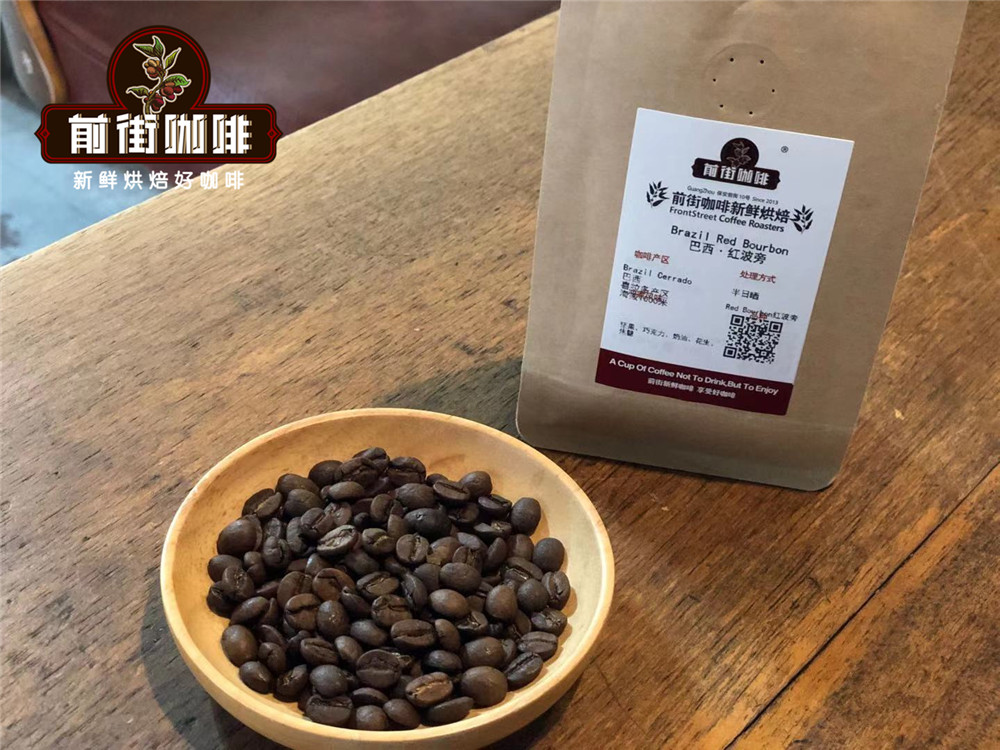 This area is known for scientific farming and efficient management and is one of the first coffee regions in Brazil to achieve full-process automation. Cerrado coffee beans are mostly washed or semi-washed, which preserves the delicate characteristics of arabica while enhancing the purity of the flavor.
Cerrado coffee has a distinct layered flavor: on first sip, nutty aroma is slowly released with a soft, smooth mouthfeel; the middle brings faint floral notes and a fresh citrus touch; the finish leaves a gentle sweetness, with low, harmonious acidity. This "nutty base plus mild sweetness" combination makes it a classic choice for pour-over enthusiasts, especially those who prefer balanced flavors.
In terms of growing conditions, the Cerrado region has moderate altitude, and its dry summers and rainy winters provide a stable growing environment for coffee trees. Local farms generally use advanced irrigation technology, and some areas have even automated the entire process from planting to harvest, ensuring a high degree of consistency in bean quality. Notably, Cerrado coffee's sweetness is closely tied to its processing method—washing effectively removes impurities and highlights the natural flavors of nuts and caramel.
For coffee beginners, choosing G1-grade arabica beans from the Cerrado region is a good starting point. When brewing, a medium-fine grind and a water temperature of 90-93°C are recommended; using a V60 or French press can better showcase the balance of nutty aroma and sweetness. If you want richer layers, try adjusting the coffee-to-water ratio (such as 1:15 to 1:16) and observe how the flavor details change.