Guatemala's High-Altitude Coffee: Flavor Profile and Why Hand-Poured Huashen Beans Stand Out
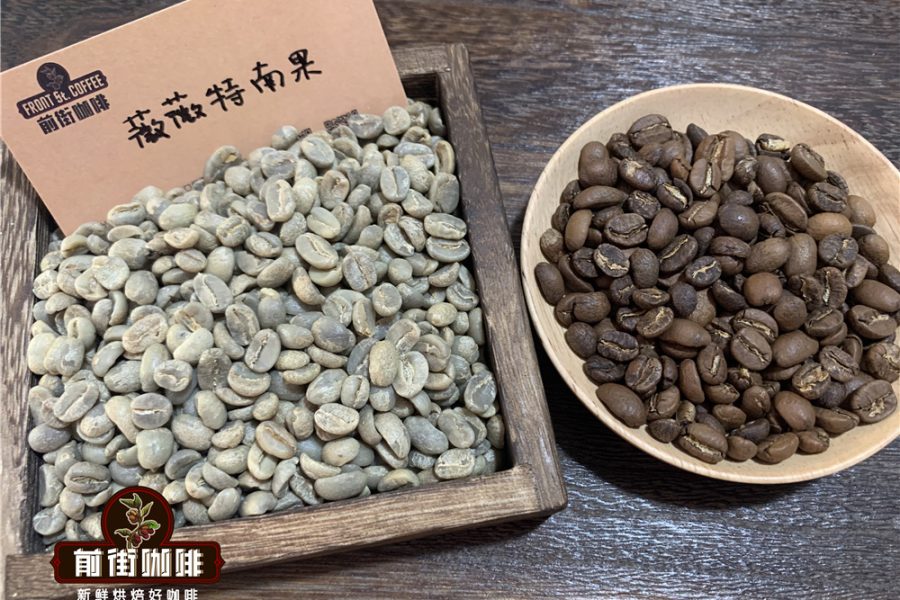
Introduction: Guatemala is famed worldwide for its high-altitude specialty Arabica coffee, with over 90% of its output meeting specialty standards. This article takes an in-depth look at the characteristics of the country's seven core regions, focusing on how the unique terroir of the golden growing belt above 1,500 meters shapes the floral-fruity aromas and rich layers of well-known varieties such as Huashen, offering coffee lovers a reference for choosing regions and brewing parameters.
In Guatemala, in the heart of Central America, a coffee legend nurtured by volcanic ash has been written for nearly two hundred years. Embraced by the Caribbean Sea and the Pacific Ocean, this country ranks among the world's top coffee regions with a 45% specialty rate—of its more than 98% Arabica beans, one in every two passes the strict international 80-point selection standard.
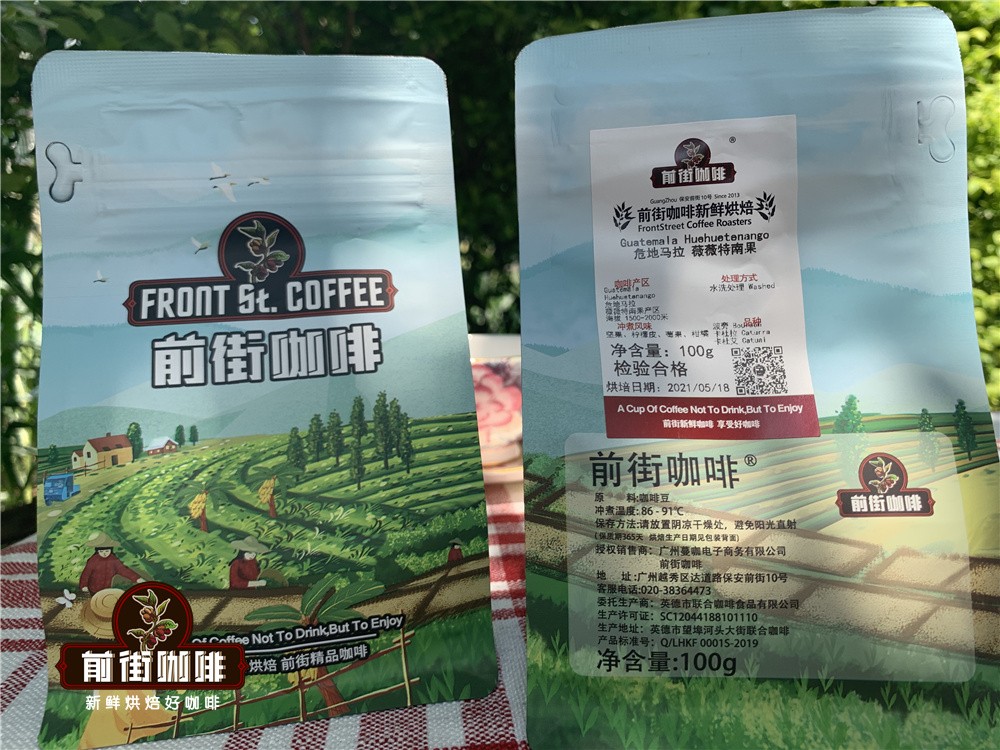
The country's seven regions are like a flavor palette: the Antigua region hides in a valley guarded by three active volcanoes, where 1,500–1,700 meters of altitude bring a 17°C day-night temperature difference, creating a silky, full-bodied base of nuts and cocoa; Huehuetenango, the country's highest region (1,500–2,000 meters), where the warm Mexican current meets cold highland air, fosters complex layers with a winey chocolate finish.
The San Marcos region at 1,400–1,800 meters uses an original semi-washed process—drying in intermittent sunshine to 40% moisture content first, then moving to mechanical drying to ensure consistency. With the highest annual rainfall in the country, the coffee grown here has bright citrus acidity and a full body, suited to pour-over lovers who prefer a fresh taste.
For consumers seeking floral-fruity aromas, the volcanic-lake sedimentary soil of the Acatenango region (1,300–1,700 meters) is a natural gift. The roots of coffee trees, 90% of which are planted on slopes, reach deep into mineral-rich black soil, producing beans with lemon freshness and honey sweetness; a water temperature of 92°C with a medium-fine grind is recommended for extraction.
The Fraijanes region (1,400–1,800 meters), often overlooked by beginners, is in fact a stone-fruit flavor specialist; pumice soil and a maritime climate work together so the coffee shows the sweet aroma of dried peach and apricot jam, and a darker roast can further bring out a caramel finish. Meanwhile, the chocolate undertones of the eastern up-and-coming Pacamara region (1,300–1,700 meters) come from the high potassium content of the volcanic ash, making it suitable for cold brew coffee.
Professional roasters remind us: high-altitude beans are denser, so it is recommended to extend the bloom time to 45 seconds for pour-over and to grind about 10% finer than lowland beans. Data from the Guatemalan Coffee Association shows that for every 300 meters of altitude gain, caffeine content drops by about 0.5%, while aromatic substances increase by 12–15%—this is exactly the key to the finer flavors of high-mountain beans.


