Colombian Commercial vs. Specialty Coffee: Is Huila Coffee Black Coffee?
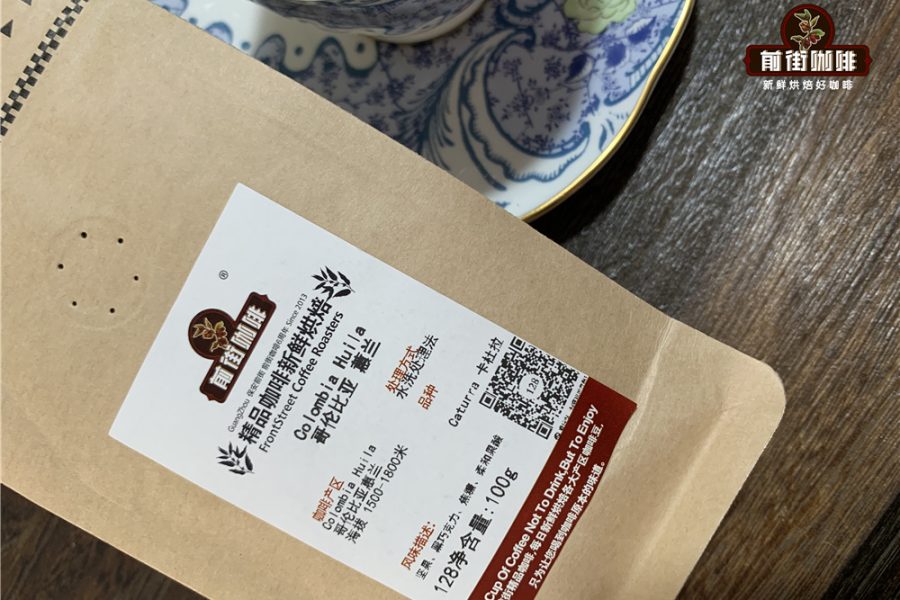
Introduction: Colombia is a globally renowned Arabica coffee origin, and its coffee beans differ significantly in flavor depending on region, altitude, and grading standards. This article takes an in-depth look at the core differences between Colombian commercial coffee beans and specialty coffee beans, including practical information such as regional distribution, elevation, and flavor characteristics, and answers the common question of whether Huila coffee is black coffee, helping coffee enthusiasts better choose beans that suit them.
Colombian coffee (Cafe de Colombia) is produced in the northwest of South America, bordering the Pacific and Atlantic Oceans, with the Andes running north to south. Coffee-growing areas are mainly concentrated in highland zones at elevations of 1,200–2,000 meters. This unique geographical environment provides excellent growing conditions for coffee beans and has also made Colombia one of the quality coffee-exporting countries named after a country. In the 18th century, Dutch Jesuit missionaries first introduced Arabica coffee to Colombia; coffee cultivation then gradually spread, and by the early 19th century large-scale exports had been achieved, earning Colombia a place among the world's major coffee exporters on the strength of consistently high quality.
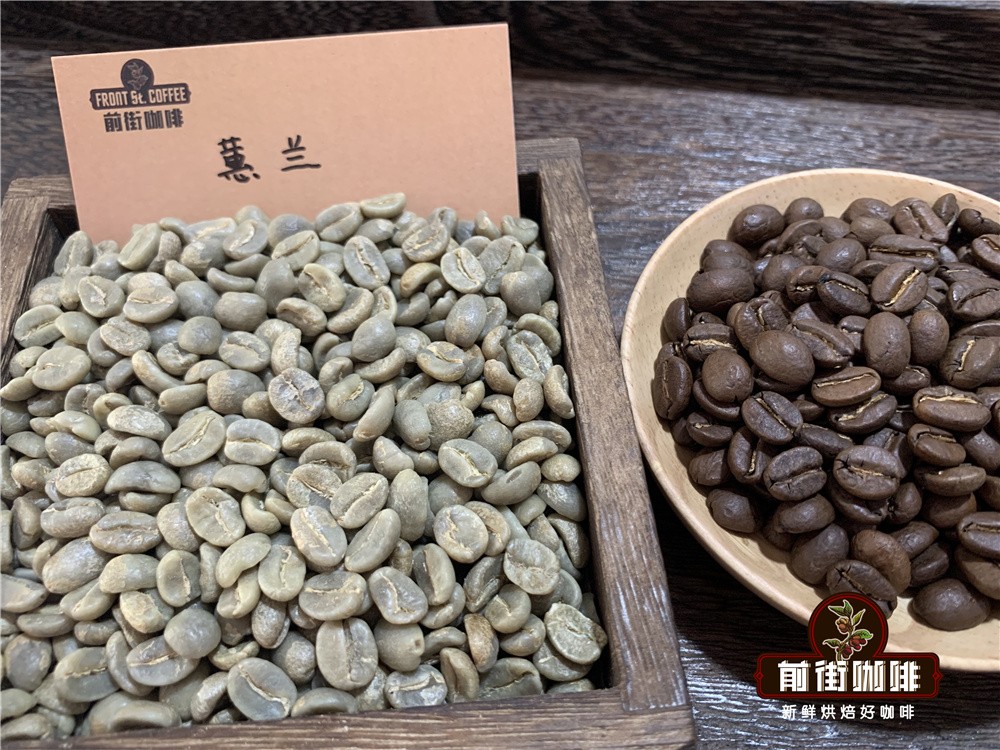
In Colombia, coffee beans are graded mainly by bean size—Supremo is the highest grade, requiring bean size of 17 screen or above; Excelso is slightly smaller, at 14–16 screen. To be classified as specialty coffee, beans must meet the Supremo standard (17 screen or above) and also have superior flavor performance. Whether commercial or specialty grade, Colombian coffee beans are known for stable quality and elegant flavor and enjoy high recognition in the international market.
In terms of producing regions, the flavor differences of Colombian coffee are closely related to the geographical environment. The central and northern regions (such as Medellín, Armenia, and Manizales) are at elevations of about 1,000–1,500 meters and have a typical Central-South American flavor profile with pronounced fruity acidity; Santander Department in the northeast is below 1,000 meters, and its coffee has high body, prominent bitterness, and lower acidity, with flavor characteristics close to Indonesian Mandheling. The core specialty coffee regions are concentrated in the south, including Cauca, Huila, Meta, Tolima, and Nariño; these areas are generally above 1,500 meters and mostly have volcanic soils, providing abundant minerals for coffee growth.
The elevation advantage and volcanic soil of the southern specialty regions together create unique flavors—coffee produced here often has complex aromas of floral notes, berries, caramel, and stone fruit, with a mellow, lively cup and rich layers. Compared with the balanced stability of commercial beans, specialty beans place more emphasis on individual expression and are suitable for pour-over enthusiasts seeking flavor depth.
When it comes to representatives of Colombian specialty coffee, the Huila region cannot be ignored. It is located in the mountain cliff area of southern Colombia, with terrain dominated by canyon slopes and relatively weak transportation infrastructure; historically, civil war also made the transport of green beans riskier. But it is precisely this mountainous environment that creates natural advantages for coffee cultivation: the canyon slopes can block cold air from intruding and also regulate temperature through mountain winds, preventing the effects of high temperatures; abundant rainfall combined with high elevation (generally above 1,500 meters) forms a microclimate with large day-night temperature differences, very suitable for growing high-quality Arabica beans.
In such an environment, Huila coffee presents a full body and solid texture, with a flavor profile based on the rich foundation of nuts, chocolate, and caramel while retaining a soft fruity acidity; the overall flavor is balanced and pleasant. Its specialty status stems not only from exceptional geographical conditions and carefully selected Arabica varieties but also from a strict manual picking and sorting process—every coffee bean is hand-picked and sorted to ensure consistency in ripeness and quality.
As for the question of whether Huila coffee is black coffee, the answer is yes. Black coffee broadly refers to pure coffee drinks without added sugar, milk, or other flavorings, and Huila coffee, as a single-origin bean, falls within the category of black coffee whether prepared by pour-over, French press, or espresso extraction, as long as no additional ingredients are added. Its own nutty and chocolate flavors and moderate balance of acidity and bitterness make it a high-quality choice for making black coffee.


