Ethiopian Sidamo and Kochere Coffee Beans: Flavor Guide for Pour-Over
Introduction: Ethiopia, the birthplace of coffee, is home to the Sidamo and Kochere regions in its south, where unique terroir nurtures specialty coffee beans with distinctive flavors. This article provides an in-depth analysis of the growing environments, processing methods, and flavor profiles of coffee from these two regions, helping you select beans precisely according to your taste preferences, while also offering key growing parameters such as altitude and temperature difference to deepen your understanding of professional coffee beans.
When global specialty coffee enthusiasts mention Ethiopia, they always think of well-known region names like Yirgacheffe and Sidamo. As a genetic treasure trove of coffee, this landlocked country with a population of over 100 million is not only the birthplace of Arabica coffee but also produces richly layered top-tier coffee beans thanks to its diverse microclimates and complex terrain. Among them, the two major regions of Sidamo and Kochere, with their distinctive flavor characteristics, have become key focuses for pour-over enthusiasts.
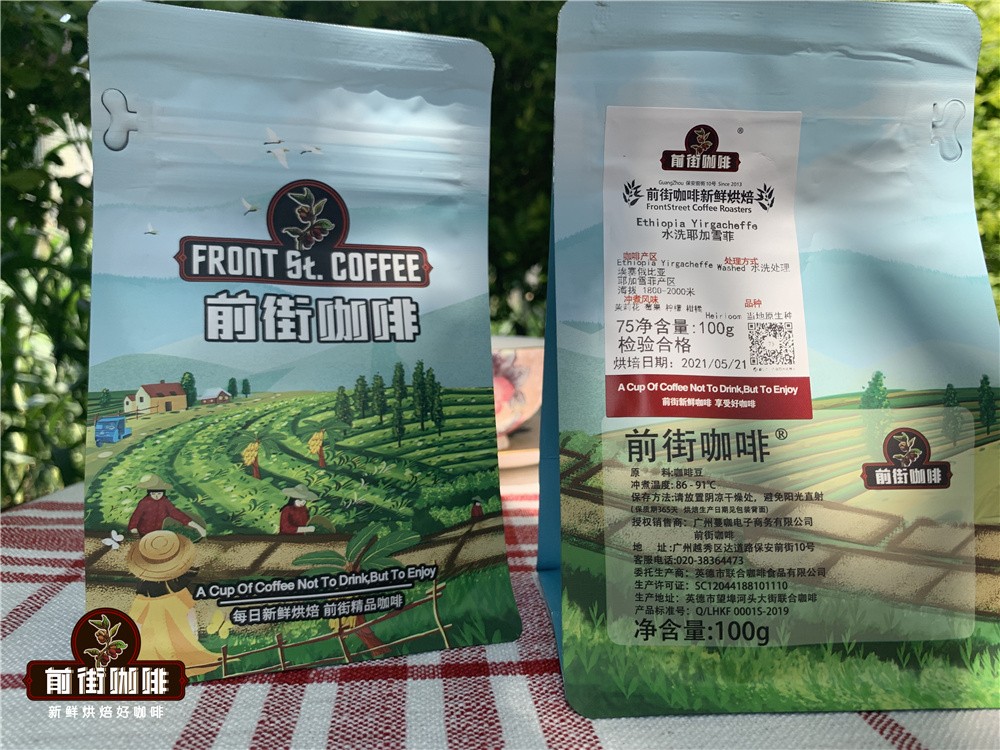
Ethiopia's coffee culture is rooted in the life of its people—about 80% of the country's coffee is produced by smallholder farmers. These mountains covered in deep green leaves are not only an economic pillar but also carry the national proverb "buna dabo naw (coffee is our bread)." From the eastern desert to the southern highlands, the soil composition, rainfall patterns, and altitudes of different regions together shape the regional differences in coffee flavor.
The Sidamo region is located on the southern highlands of Ethiopia, in a red-brown soil area at 1,550 to 2,200 meters above sea level bordering Kenya. The area receives an average annual rainfall of about 1,100 mm, and the temperature difference between day and night is stable at 8-10°C. Coffee beans grown in this environment typically present a full body and bright citrus-like acidity. Typical flavors include bergamot-toned acidity, white floral aromas such as jasmine, and a sweet finish of berries such as blueberry, making it suitable for pour-over enthusiasts who prefer fresh fruity acidity.
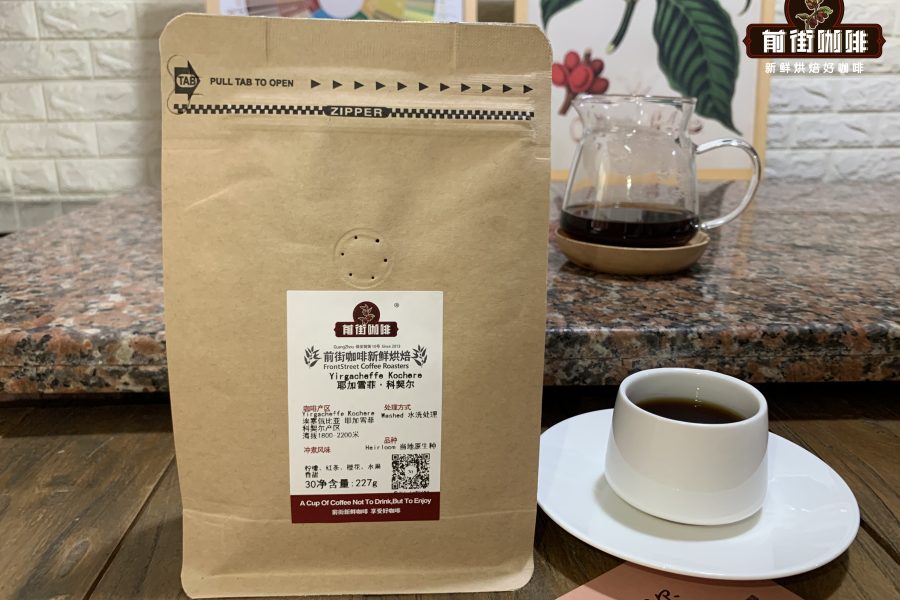
The neighboring Kochere region, although once under the administration of Yirgacheffe, became an independent region due to its unique microclimate at 1,800 to 2,000 meters above sea level. About ten thousand local coffee farmers use an improved washed processing method, and together with several newly built water treatment stations, this enables the coffee beans to show a balanced sweet-and-sour structure. Its flavor profile begins with the lively base note of citric acid, blooms in the middle with a complex floral aroma of jasmine and honeysuckle, and gradually transitions to honey sweetness and a tea-like mellow finish, making it especially suitable for brewing schemes that pursue layered changes.
It is worth noting that coffee trees in these two regions mostly grow in volcanic rock-derived soil. This type of soil is rich in organic matter and has excellent drainage. Combined with more than 2,000 hours of ample sunshine per year, it encourages the coffee cherries to accumulate more complex aromatic substances. Professional roasters suggest that Sidamo beans are suitable for medium-fine grinding with water at 92-94°C, while Kochere beans, being slightly lower in density, can be brewed with water at 90-92°C and a slightly coarser grind to highlight their floral and fruity notes.
If we expand our view to other well-known regions in Ethiopia, we can discover even more flavor possibilities: Yirgacheffe, with its ultra-high altitude of 1,600-2,400 meters, creates its signature jasmine aroma and citric acidity; the Guji region, with its day-night temperature difference at 2,000-2,350 meters, develops brown sugar sweetness and a winey finish; and the Harar region's natural processing method gives coffee a rich dark chocolate and red wine character. These differentiated terroir conditions together form the diverse map of Ethiopian coffee.


