Indonesian Coffee Regions: The Story Behind Mandheling and Its Flavors
Introduction: Indonesia is one of the world's major coffee-producing countries, known for its low-acid, full-bodied coffees with distinctive regional flavors. From Sumatra's Mandheling to Sulawesi's Toraja, each region has a strong personality of its own. This article takes you through the geography and elevation ranges of Indonesia's main coffee regions, as well as the interesting story behind the name Mandheling, to help you better choose and appreciate Indonesian specialty coffee.
Indonesia straddles the equator and is made up of tens of thousands of volcanic islands, with a favorable tropical rainforest climate and fertile volcanic soil that provide an ideal environment for coffee growing. Its coffee output ranks among the highest in Asia, and Mandheling, Golden Mandheling, and the controversial kopi luwak all come from Indonesia. After coffee was introduced from India in the 17th century, it was sold worldwide through the Dutch East India Company in the 18th century. Indonesian coffee is mainly robusta, with arabica as a secondary crop, and annual coffee production now exceeds 90% of total global output, making it one of the world's four largest coffee exporters.
Indonesia's coffee regions are spread across its volcanic islands, and each island, with its differences in elevation, climate, and soil, produces coffees with distinctly different flavor profiles. Generally speaking, the main regions are concentrated at elevations between 850 and 1,800 meters, heights that help the coffee cherries ripen slowly and accumulate richer flavor compounds.
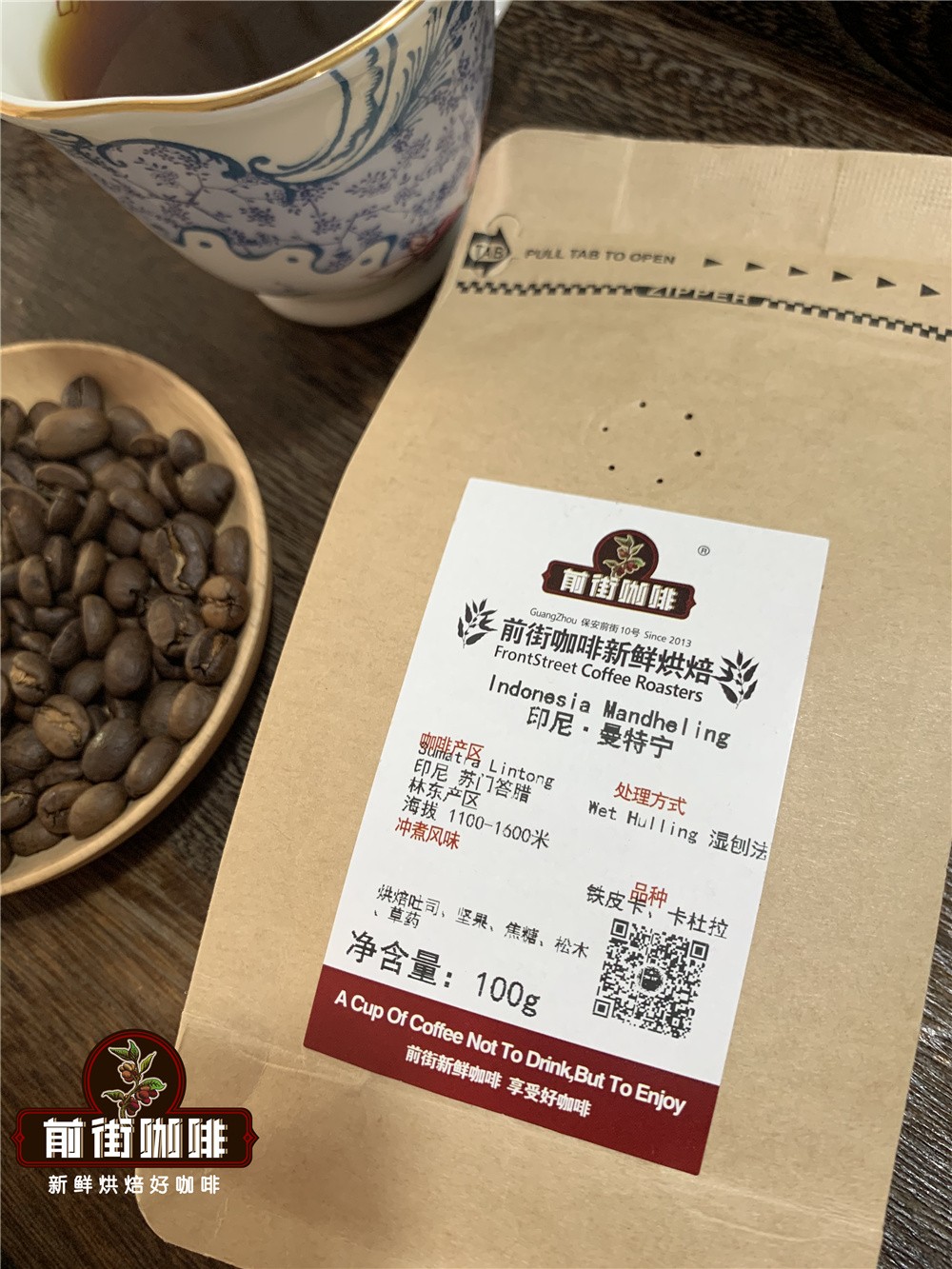
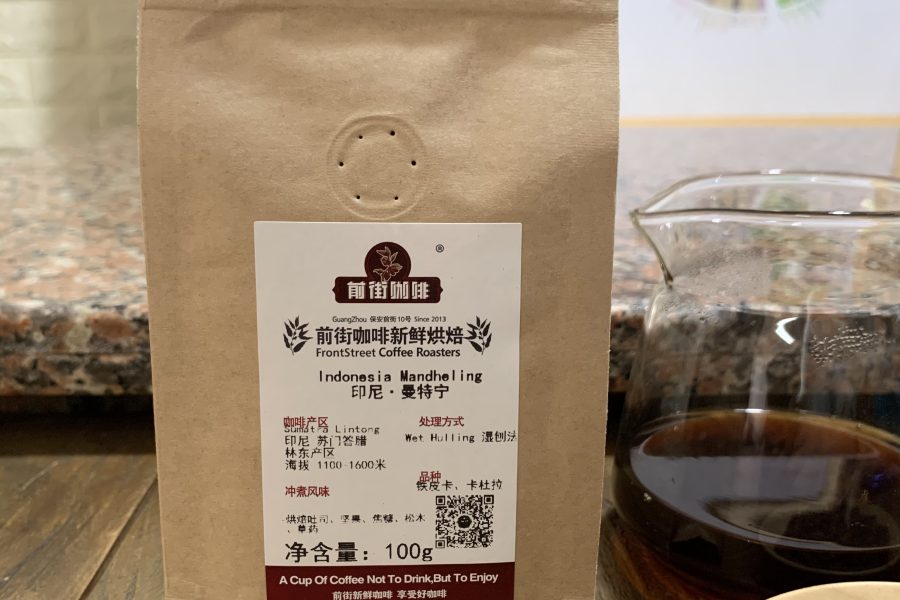
The Aceh and Lake Toba (Danau Toba) areas in northern Sumatra, at elevations of about 1,100 to 1,600 meters, are the famous core regions for Mandheling coffee. Among them, Aceh is the most important Mandheling region; coffees from here typically have intense herbal, earthy, and woody aromas, with a full body and rich layers, and represent Indonesian specialty coffee.
Java is one of the first areas in Indonesia where coffee was planted, with a long history of coffee estates and a relatively well-developed growing system, at elevations of 900 to 1,800 meters. Compared with other regions, coffee cultivation techniques and processing methods here are more mature, making it suitable for enthusiasts interested in coffee-growing history and traditional methods.
The Toraja region on Sulawesi (formerly Celebes), at elevations between 850 and 1,800 meters, is dominated by smallholder farms. Coffees here are softer in flavor, often with floral notes and lower acidity, not as intense as Mandheling. Toraja is considered one of Indonesia's specialty coffee representatives, but its output is scarce, and it is much favored by coffee lovers and collectors.
Flores, known as the "Island of Flowers," is a later developer of Indonesia's coffee industry and a new region that has emerged in international markets in recent years, at elevations of about 1,300 to 1,500 meters. Coffees here typically have bright acidity and distinctive fruit notes, and are gradually attracting the attention of pour-over coffee enthusiasts.
Bali and parts of Sumatra mainly grow robusta beans, with some areas having a robusta share of over 80%. These beans are usually used in espresso blends to provide stronger body and higher caffeine content, and are suitable for making espresso or milk-based coffee drinks.
The name "Mandheling" does not actually come from a place name or a coffee variety, but is the product of a misunderstanding. According to historical records, Mandheling originally referred to the Mandailing, an ethnic group in Sumatra skilled at growing coffee. During World War II, a Japanese military officer praised the local coffee after tasting it and asked the shop owner for its name. Because of the language barrier, the owner thought he was being asked about his ethnicity and answered "Mandailing," which was heard as "Mandheling," and the name has been passed down ever since.
Sumatra is the main region for Mandheling coffee, so this coffee is also often called Sumatra coffee beans. Sumatra is not only rich in coffee but also an important producer of spices such as chilies and nutmeg. During cultivation, coffee trees grow alongside spice plants, giving Mandheling coffee a subtle spice aroma, with a rich flavor and pronounced herbal characteristics.
Mandheling coffee beans are mostly processed using the semi-washed method (also called wet-hulling). In the early days, farmers had limited equipment, and to prevent rain from causing the beans to mold, they would move the beans into processing facilities in bad weather and remove the mucilage layer first. This special processing method not only affects the drying process but also creates Mandheling's unique flavor of relatively low acidity, full body, and woody and earthy notes, making it a highly recognizable type of specialty coffee.


