Washed, Semi-Washed and Semi-Sun-Dried Coffee Processing Compared
Introduction: The flavor of coffee beans depends not only on origin and variety—the processing method is also a key factor. Washed, semi-washed (honey) and semi-sun-dried processing directly affect the final coffee's acidity, body and aromatic layers. This article takes a close look at the characteristics of three mainstream coffee processing methods, helps you understand how different processes shape flavor, and answers the common question of whether semi-sun-dried or semi-washed coffee tastes better.
When you buy coffee beans, have you noticed that the packaging often says "washed," "natural" or "honey"? These are not simply names for processing steps; they are the core processes that determine the direction of a coffee's flavor. From plantation to cup, coffee beans undergo a transformation from fruit to seed, and the processing method is the key link in this process.
What we commonly call coffee beans are actually the seeds of the coffee cherry. This small fruit, red and ripe on the outside, has thin, sweet flesh and usually encloses two coffee beans. After picking, coffee cherries must go through a series of processes to strip away the flesh, mucilage and skin before the green beans used for roasting are obtained. Different processing methods have a profound effect on the coffee's final flavor.

Today's mainstream coffee processing methods fall roughly into three categories: natural (dry) processing, washed (wet) processing and honey processing (also called semi-washed or semi-sun-dried). Each method is widely used in different producing regions around the world due to differences in climate, difficulty of water access and local tradition. For example, regions rich in water tend to use washed processing, while arid regions may use natural or honey processing more often.
Washed method: synonymous with clean acidity and vivid layers
The washed method, also called wet processing, is one of the most commonly used processes in specialty coffee today. Its greatest characteristic is that it can highlight the coffee's clean mouthfeel and vivid acidity while maintaining a relatively light body. In the process, the coffee cherry's flesh is first removed by machine, and then the beans, still coated with a slippery mucilage layer, are placed in water tanks to ferment for 12 to 72 hours. Fermentation time is greatly affected by temperature and water quality and must be precisely controlled to avoid flavor defects caused by over-fermentation.
After fermentation is complete, the coffee beans are rinsed several times with clean water to remove residual mucilage, then placed on drying beds or in dryers until the moisture content drops to 10% to 12%. This stage usually takes several weeks (mechanical drying greatly shortens it). Finally, after resting and removal of the silver skin and parchment layer, the green coffee beans enter the export and roasting stages. The washed method places high demands on equipment and operating conditions, but it effectively reduces impurities and the risk of poor fermentation, so it is favored by roasters who pursue fresh acidity and complex flavors.
Semi-washed / honey processing: a middle path balancing fruitiness and clarity
Honey processing, also called semi-washed or pulped natural, is a method between washed and natural. It first removes the coffee cherry's outer skin and part of the flesh but retains the sticky mucilage layer, then dries the beans directly. Because the mucilage is rich in sugar, it gives the coffee beans a richer sweetness and complex fruit aromas during drying, while also retaining a relatively clean mouthfeel.
Depending on the proportion of mucilage retained and the drying method, honey processing can be further divided into white honey, yellow honey, red honey and black honey. The darker the color, the more mucilage is usually retained, the slower the drying and the more intense the flavor. The entire drying process requires strict control of temperature and humidity and takes several weeks, during which the beans must be turned frequently to ensure even drying. This method has certain requirements for environment and technique, but when done properly it can present a balanced sweet-and-sour flavor with rich layers.
Semi-sun-dried: a drying process balancing tradition and efficiency
The semi-sun-dried method (sometimes classified as a simplified form of honey processing) is mainly used in regions with limited water resources or dry climates. It usually removes the coffee flesh first but does not immediately carry out washed fermentation; instead, the coffee beans with some residual mucilage go directly into the drying process. Compared with full natural drying, semi-sun-dried processing takes less time but still requires several weeks, with constant turning to prevent mold or over-fermentation.
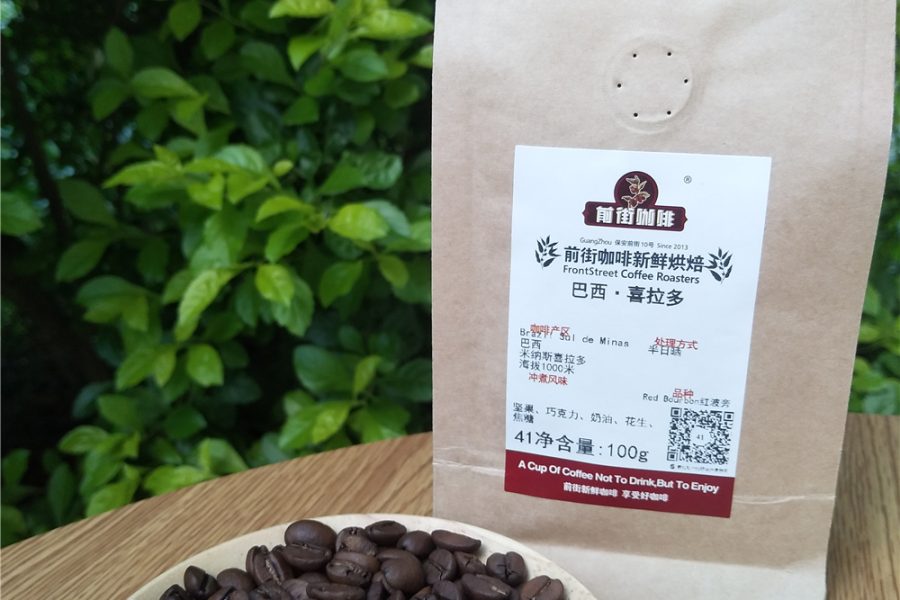
This method can retain a certain fruitiness and sweetness without relying on large amounts of water, while reducing the risk of impurities. Brazil and other South American countries are the main areas where semi-sun-dried processing is used, and their coffees often show a full body, low acidity and nutty or chocolatey notes.
Semi-sun-dried or semi-washed: which tastes better?
There is no absolute answer to the question of whether semi-sun-dried or semi-washed coffee tastes better. Both are processing methods between washed and natural, and their flavor profiles overlap and differ. Semi-washed (honey) processing emphasizes the sweetness and complex layers brought by the mucilage, suiting drinkers who like balanced sweet-and-sour flavors with prominent fruitiness; semi-sun-dried processing usually dries faster and is simpler, and its flavor may lean fuller and earthier, with earthy or nutty notes.
Consumers are advised to try coffee beans processed by different methods according to their personal taste preferences, paying attention to the acidity, sweetness and body indicators in the flavor descriptions, to find the one best suited to their palate.


